
Last updated November 15, 2026
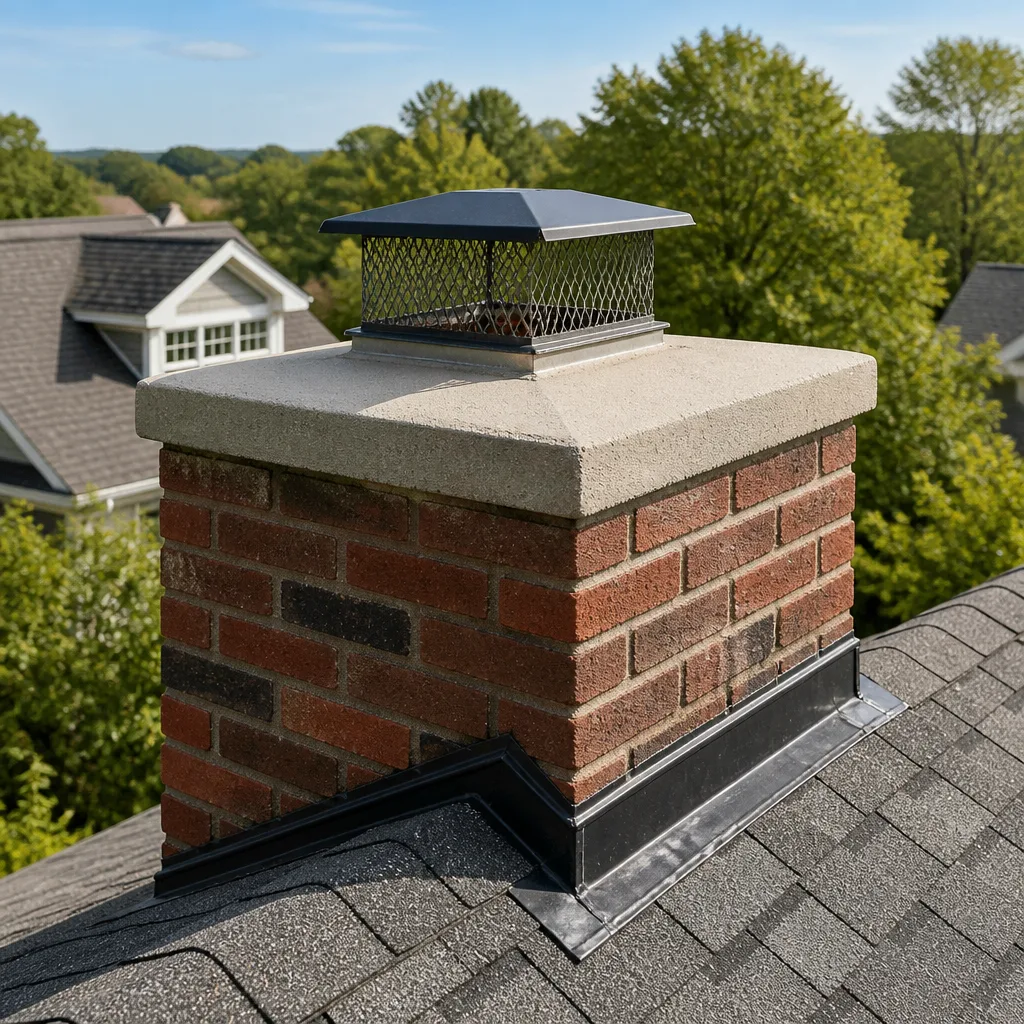 Sweep & inspection
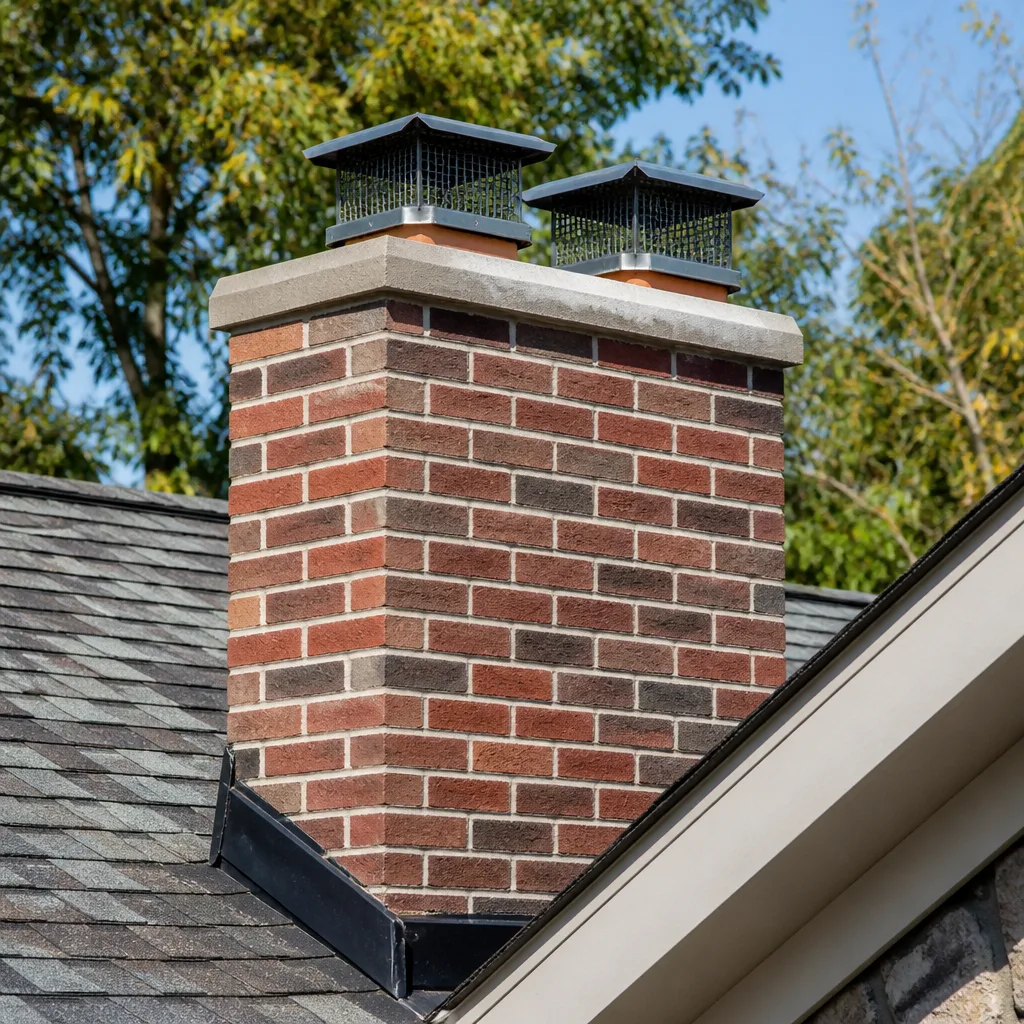 Caps & crowns
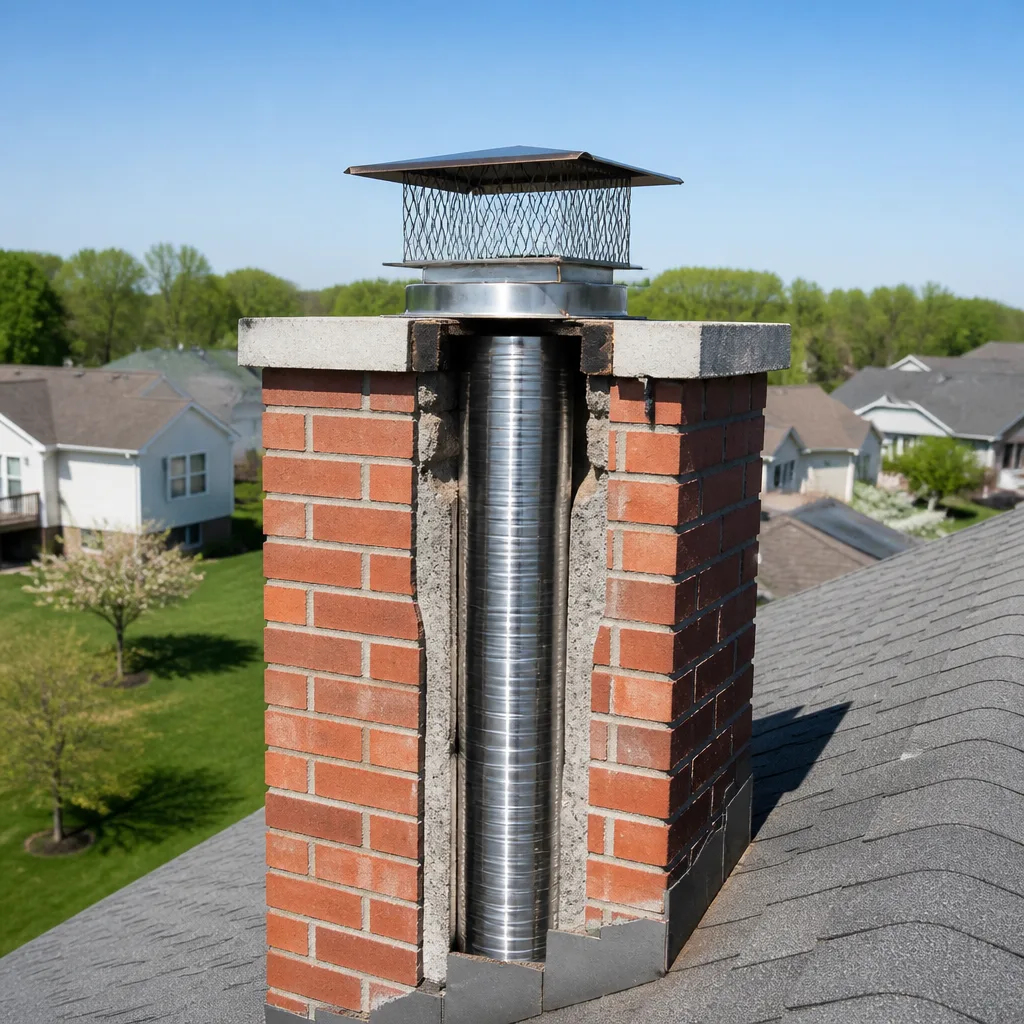 Flue relining
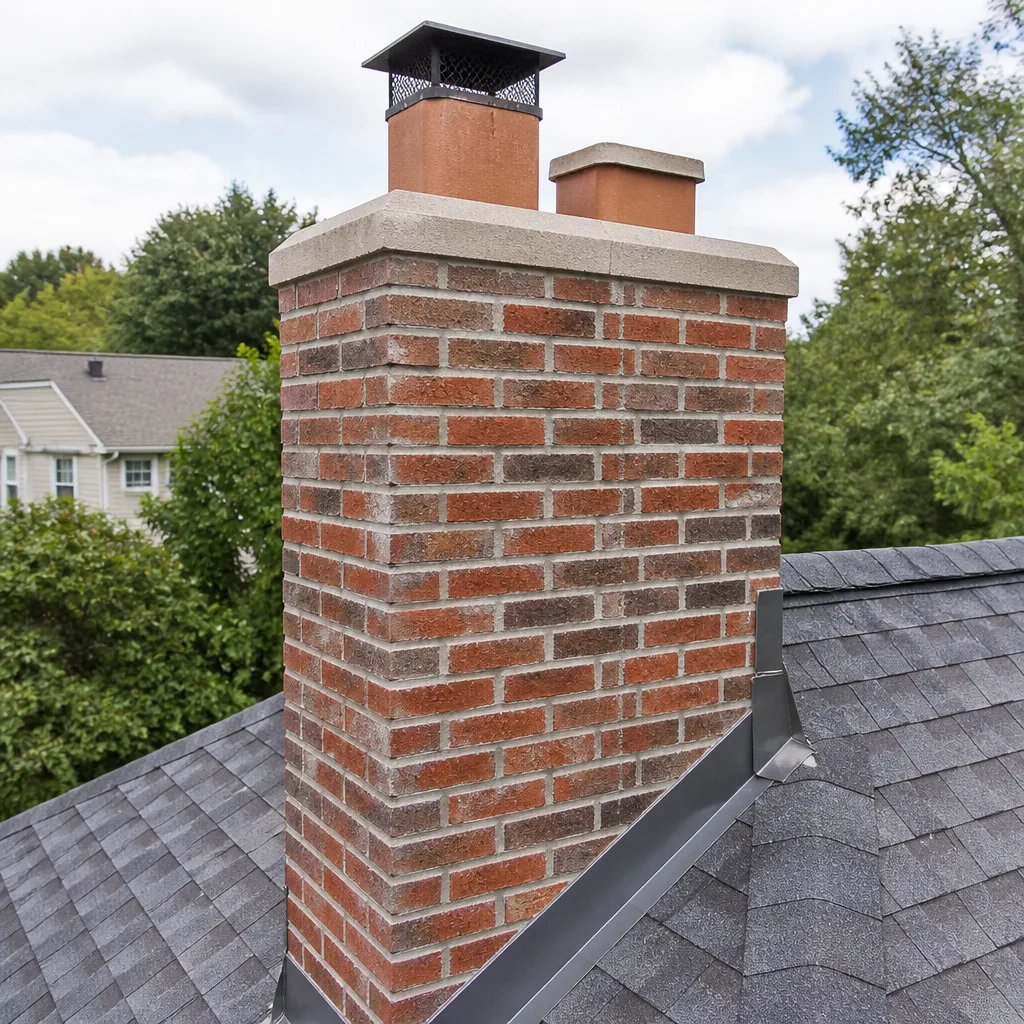 Masonry repair
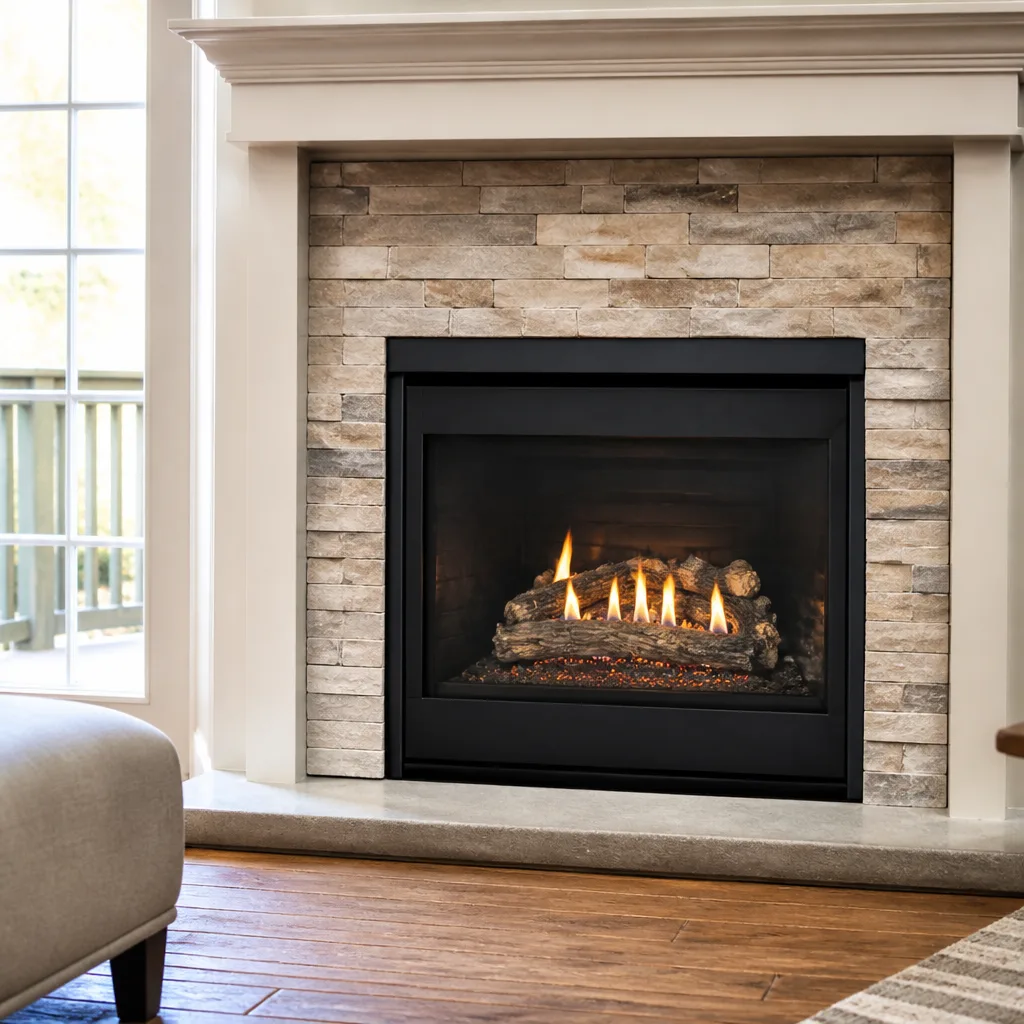 Gas fireplace service
Level 1 sweep and inspection to the NFPA 211 annual standard - flue, crown, cap, and flashing checked and photographed
Chimney sweep logs do not sweep chimneys. They loosen some creosote - which then falls where a brush and vacuum still have to collect it.
Chimney Cleaning Permits, Codes & Inspections in Pembroke Pines, FL: What You Need to Know
Here’s a detail that surprises a lot of homeowners: the cleaning itself is the easy part of the paperwork. If a chimney company relined your flue without pulling a Broward County permit, your homeowner’s insurance may deny a fire-related claim on the grounds that the work was unpermitted. That detail tends to surface at the worst possible moment, usually during a claim or a closing, when there’s no easy fix. In this guide we walk through which chimney services in Pembroke Pines stay exempt from permitting and which ones trigger the county building department, how the Florida Building Code treats chimney work in existing homes, and how to confirm a permit was pulled before anyone touches your flue.
Quick Answer
Routine chimney cleaning in Pembroke Pines does not require a permit. Repairs that change the structure or the flue system – liner replacement, crown rebuilding, firebox repointing, chase modification – generally do require a permit from the Broward County building department, and the work should be inspected before it’s closed up. A Level 2 inspection report is the document that ties all of it together, and it’s the one buyers, sellers and insurers ask for.
Styles & brands we work with
- Sweep & inspection
- Caps & crowns
- Flue relining
- Masonry repair
- Gas fireplace service
Table of Contents
- Which Chimney Services Need a Permit in Pembroke Pines?
- How Florida Building Code Chapter 10 Applies to Existing Homes
- What a Level 2 Inspection Report Means for Real Estate and Insurance
- How to Verify a Contractor Pulled the Right Permit
- Cleaning Inspections vs. Code-Compliance Inspections
- What the Permit and Inspection Process Looks Like, Step by Step
- Common Mistakes to Avoid
- When to Call a Professional
Which Chimney Services Need a Permit in Pembroke Pines?
The dividing line is simple to state and easy to get wrong in practice: cleaning and evaluation are exempt, and anything that alters the chimney structure or the flue system is not. Sweeping removes creosote and debris without changing the assembly. An inspection is a visual and diagnostic process. Neither one touches the building envelope, so neither requires a building permit in Pembroke Pines.
The moment a repair changes how the chimney is built, the county wants to see it. Broward County administers building permitting for Pembroke Pines, which means a repair contractor files with the county rather than the city. That’s a detail homeowners miss when they assume the city handles it directly.
Here’s how the split usually falls:
- No permit typically required: chimney sweeping, Level 1 through Level 3 inspections, cap replacement where no chase modification is involved, damper hardware swaps that don’t alter the flue, and minor mortar touch-ups on the firebox face.
- Permit typically required: installing a new stainless liner or re-lining a damaged masonry flue, rebuilding or resurfacing a crown, repointing a firebox or smoke chamber, removing or altering a chimney chase, changing the flue’s size or configuration, and any work that penetrates the roof or the wall assembly.
- Always worth a call to the building department: anything ambiguous. If a repair sits on the fence, we’d rather have the homeowner make one phone call than discover the gap three years later.
If you’re in a Pembroke Pines neighborhood like Chapel Trail or Silver Lakes, where a lot of the housing stock went up in the 1980s and 1990s, the repairs that most often cross the permit line are liner and crown work. Those chimneys are now old enough that original materials are due for evaluation, and the fix usually involves more than a brush. If that’s where you land, a proper chimney repair scope and a permit should be planned together, not one after the other.
How Florida Building Code Chapter 10 Applies to Existing Homes
Florida Building Code Chapter 10 covers chimneys and fireplaces, and it applies to repair work in existing homes, not just new construction. The chapter addresses clearances, flue sizing, liner requirements, and the materials allowed in contact with heat. When a repair brings a chimney up to current code, that’s the section the inspector references.
What this means in plain terms for a Pembroke Pines home:
- A masonry flue that has lost its liner or has cracked tiles needs a listed liner system, not a cement wash and a hope. Flexible stainless systems like DuraFlex are built for this re-lining work, and they’re what the code expects to see inside a flue that can no longer carry its own protection.
- Clearances to combustible framing matter as much on a repair as on a new install. A common finding during inspection is that earlier work reduced those clearances, and correcting it is part of the job.
- The crown and the chase are structural elements of the chimney, which is why rebuilding them usually lives inside a permit rather than outside it.
None of this is meant to make a homeowner nervous about their chimney. It’s meant to explain why a repair estimate sometimes includes a permit fee and an inspection visit. The code layer is what makes a repair durable, and it’s also what makes it defensible when a buyer’s inspector or an insurance underwriter asks a question later.
The material side matters here. A specialist works with professional-grade parts from brands like Olympia Chimney or Famco rather than hardware-store substitutes, because a repair is only as good as the components that go into it. Chapter 10 compliance is partly a materials question, not just a paperwork question.
What a Level 2 Inspection Report Means for Real Estate and Insurance
A Level 2 inspection is the report Florida real estate transactions and insurance underwriting usually ask for. It includes everything a Level 1 covers plus the accessible portions of the attic, the crawlspace and the chimney exterior, and it typically involves a camera run through the flue. It’s the level that can see a cracked tile or a failed joint that a visual look from the firebox can’t reveal.
Why it matters in Pembroke Pines specifically: this is a market where a lot of homes change hands, and a chimney can have had work done on it by several owners over three or four decades. A Level 2 inspection gives the next owner a documented baseline. Sellers benefit too, because a pre-listing inspection heads off an unpleasant finding during a buyer’s contingency period.
For insurance, the report is often the difference between a policy issued without question and a policy issued with an exclusion. Underwriters want evidence the flue is lined, the chimney is sound, and any repair was done properly. A written report with photos and camera stills is that evidence. It also pairs naturally with a permit record, since the county’s file shows who did what and when.
One practical note on timing: a Level 2 inspection is not a same-day, five-minute walk-around. It takes real time to reach the attic, run the camera and document what’s found. If you’re in a closing window, plan the inspection before the contract dates get tight. For homes in western Pembroke Pines near the Everglades edge, where afternoon storms and wind-driven rain are a fact of life most of the year, we often find exterior wear on caps and crowns during a Level 2 that the interior look never touched. Those findings go in the report and help the next owner plan.
How to Verify a Contractor Pulled the Right Permit
You can check a permit without any special access, and it’s worth doing before the work starts rather than after. Broward County’s online permitting portal lets a homeowner search by property address. What you’re looking for is an active permit listed under your address with a scope that matches the work being quoted.
- Get the scope in writing first. Ask the contractor for a written proposal that names the work: liner replacement, crown rebuild, firebox repointing. That’s your reference point for the permit.
- Ask who’s pulling the permit. Under Florida rules the licensed contractor pulls the permit for their own scope of work. If a contractor can’t or won’t pull one, that’s a signal worth heeding.
- Search the county portal by address. Enter your Pembroke Pines address and look for a permit whose description matches the proposal. Ask for the permit number in writing if the search is unclear.
- Confirm the scope on the permit matches. A permit for a water heater under your address doesn’t cover a flue liner. The record has to name the chimney work.
- Ask when the inspection is scheduled. Permitted work gets inspected before it’s closed up. If nobody can tell you when the inspection happens, the permit likely doesn’t exist.
This takes ten minutes and prevents the problem at the top of this guide. A flue that was re-lined without a permit is a flue an insurer can challenge, and it’s also a flue that a future buyer’s inspector will flag. The county record is the cleanest proof that the work was done to code, and it lives on the property long after the contractor has packed up.
Cleaning Inspections vs. Code-Compliance Inspections
These are two different services, and knowing which one you need saves money and confusion. A cleaning inspection accompanies a chimney sweep and answers one question: is the flue clear, and is there anything wrong? A code-compliance inspection answers a different question: does the work as built match what the code and the permit require? One is diagnostic and one is regulatory.
Here’s the practical split:
- Cleaning inspection (Level 1): performed at the time of the sweep. Covers the firebox, damper, smoke chamber and the accessible flue. It’s the routine annual look for a chimney in regular use.
- Diagnostic inspection (Level 2): the documented, camera-assisted report. Needed when you’ve had a fire, a storm event, a chimney change, or when a home is being sold. This is the one that goes to your insurer.
- Code-compliance inspection: tied to a permit and a specific scope of work. A third-party inspector verifies the liner, clearances and materials against Chapter 10. This isn’t something you buy; it comes with the permitted job.
In Pembroke Pines, the scenario we see most often combines the first two: a homeowner books a sweep, and the cleaning inspection turns up something the sweep can’t resolve, like a deteriorated flue liner or a crack in the smoke chamber. That finding needs a Level 2 to document, and the resulting repair needs a permit. Each step is its own service, and each one is priced and documented on its own. That’s the inspect-first, recommend-second approach, and it’s the reason we insist on a documented inspection before any repair quote is written.
The distinction matters because homeowners sometimes expect a sweep to double as a code inspection. It doesn’t. A sweep tells you what condition the chimney is in. A code inspection tells you whether a specific repair meets the standard. If your question is “is my chimney safe to use,” that’s the first. If your question is “was this liner installed correctly,” that’s the second.
What the Permit and Inspection Process Looks Like, Step by Step
A permitted chimney repair in Broward County has a rhythm to it, and once you’ve seen it once the sequence stops feeling mysterious. It runs roughly like this:
- Documented inspection. A Level 2 inspection establishes what’s wrong, with photos and camera stills. Nothing is recommended that the report doesn’t show.
- Written scope and estimate. The repair is written out clearly, including whether a permit is needed and why. The written estimate sets the price.
- Permit application with Broward County. The contractor files the application with a scope that matches the work. A liner replacement for a damaged masonry flue gets a permit for a liner replacement.
- Permit issued, work scheduled. Once the county issues the permit, the work goes on the calendar.
- Installation. The liner, crown or firebox work is installed to Chapter 10 requirements, using the material systems spec’d in the proposal. This is where using a DuraFlex or HeatShield system pays off, because the components are built to the standard the inspector will look for.
- County inspection. The inspector verifies the work before the permit closes. Clearances, materials and the liner itself are checked.
- Permit closed, records kept. The closing record lives with the property. Keep a copy with your home documents alongside the inspection report.
The timeline runs on the county’s permitting schedule, not ours, which is why we tell homeowners to plan a permitted repair with a little breathing room. Routine maintenance doesn’t need this runway, but structural repairs do. That’s also why the best time to plan chimney work in Pembroke Pines is before the cooler months, when the fireplace starts seeing regular use and the schedule fills up.
One more note for anyone in a Pembroke Pines gated community or HOA: association rules and county permits are separate layers. An HOA may have its own requirements around exterior work, including chimney caps and crowns visible from the street. Check both before scheduling.
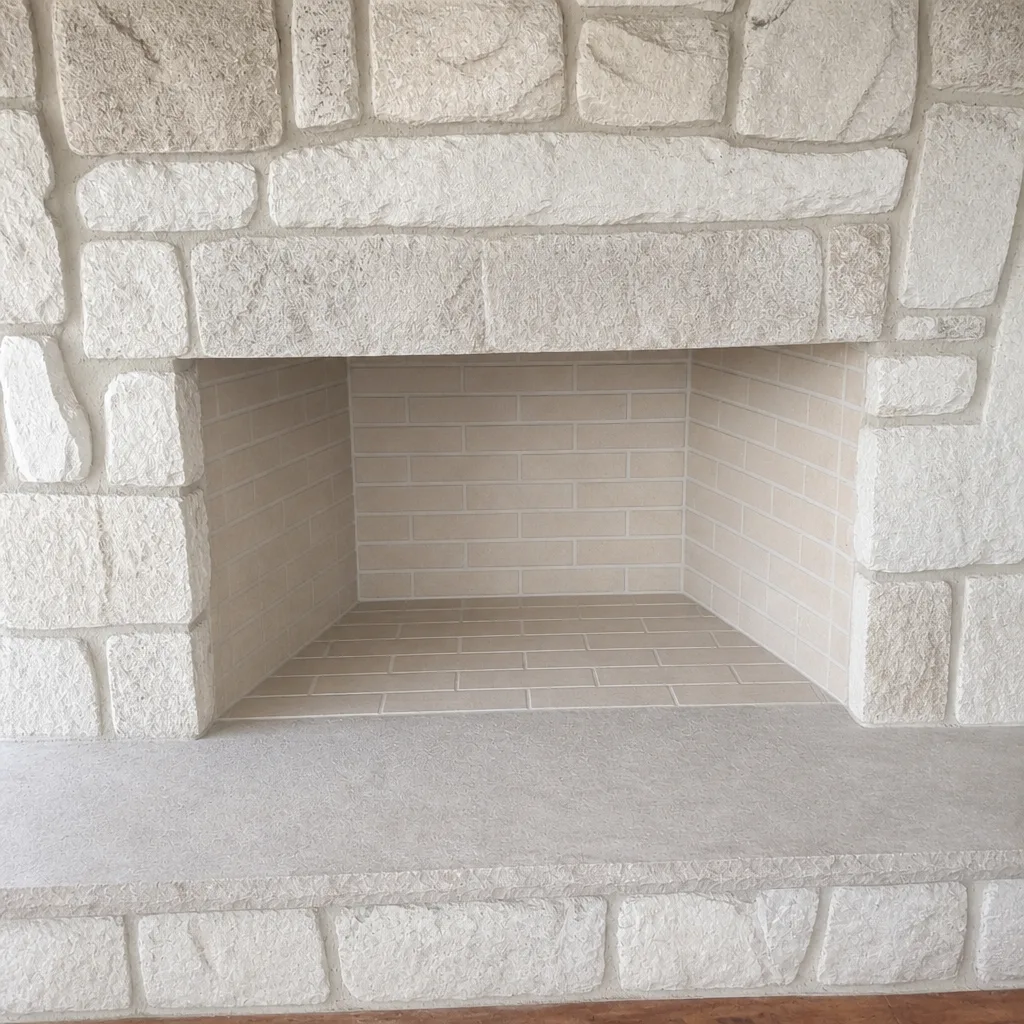
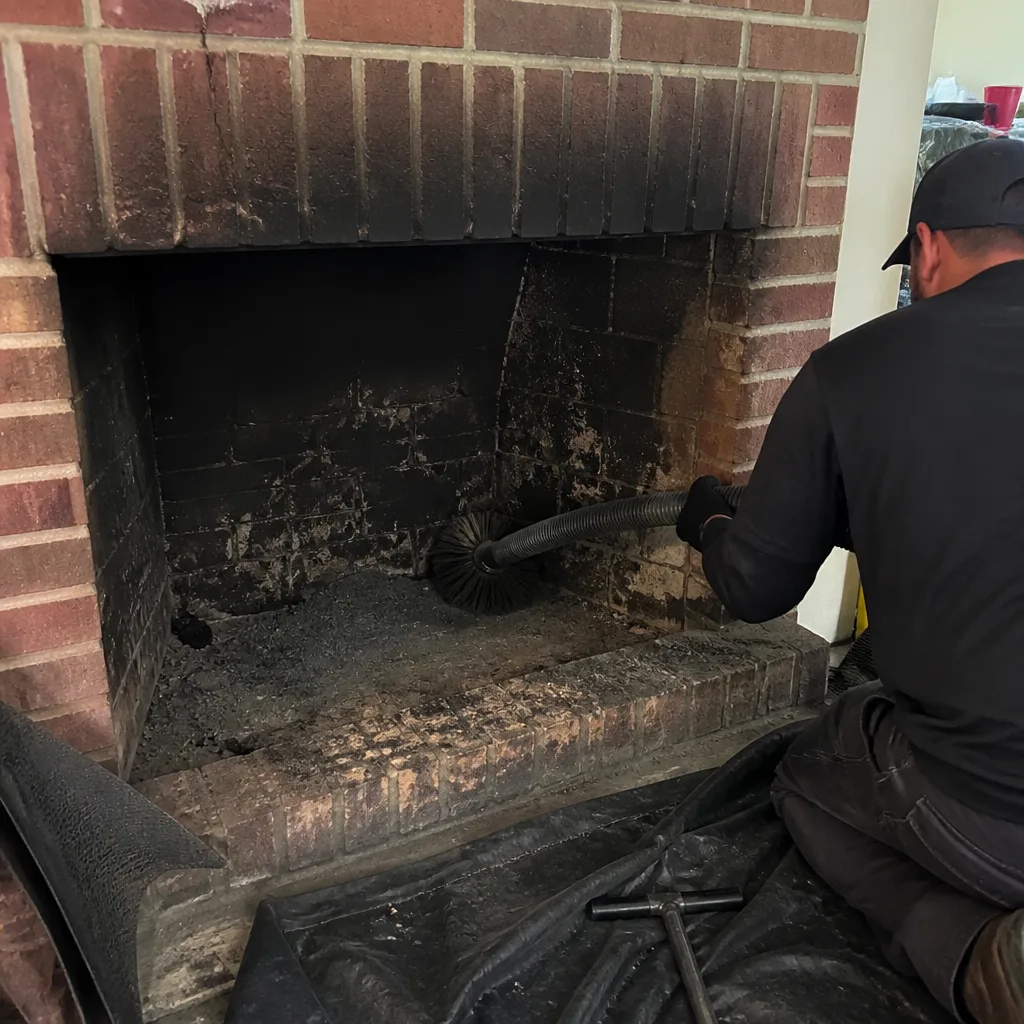
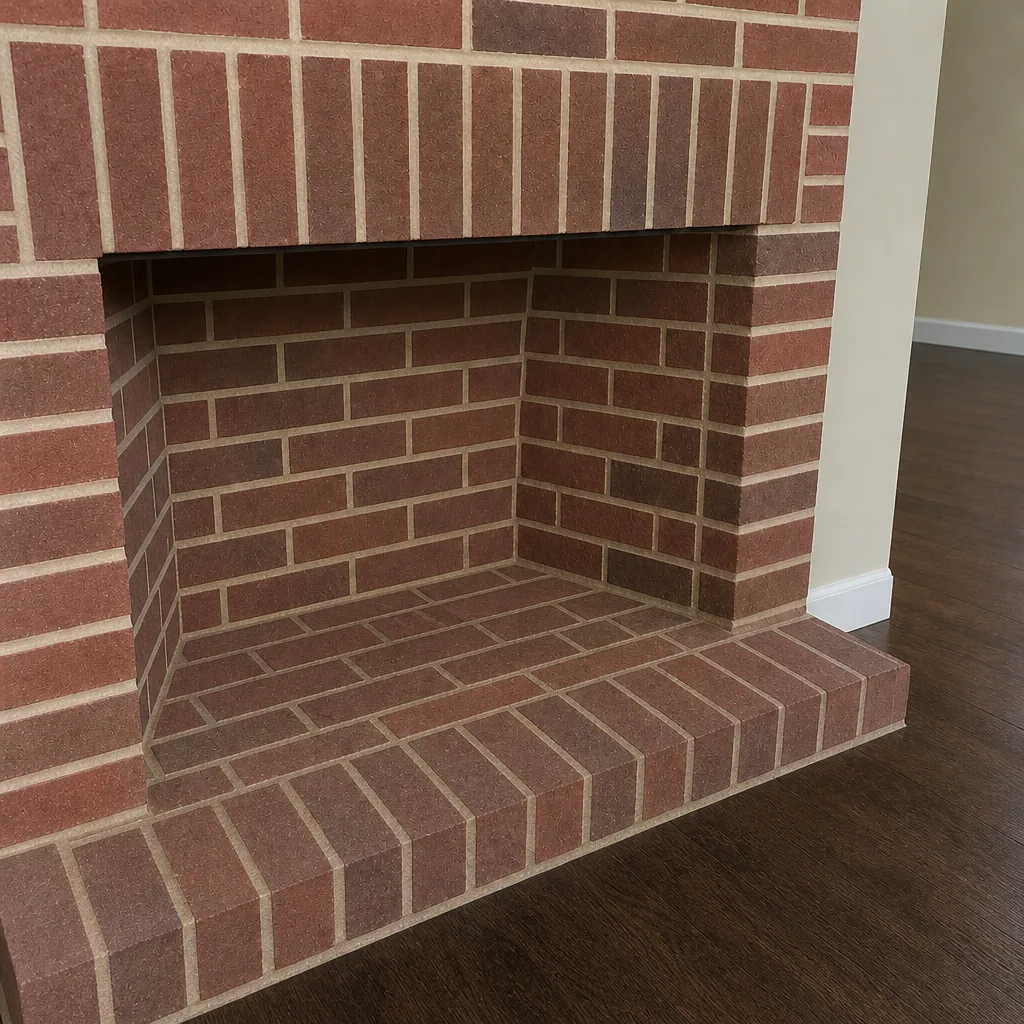
See the difference
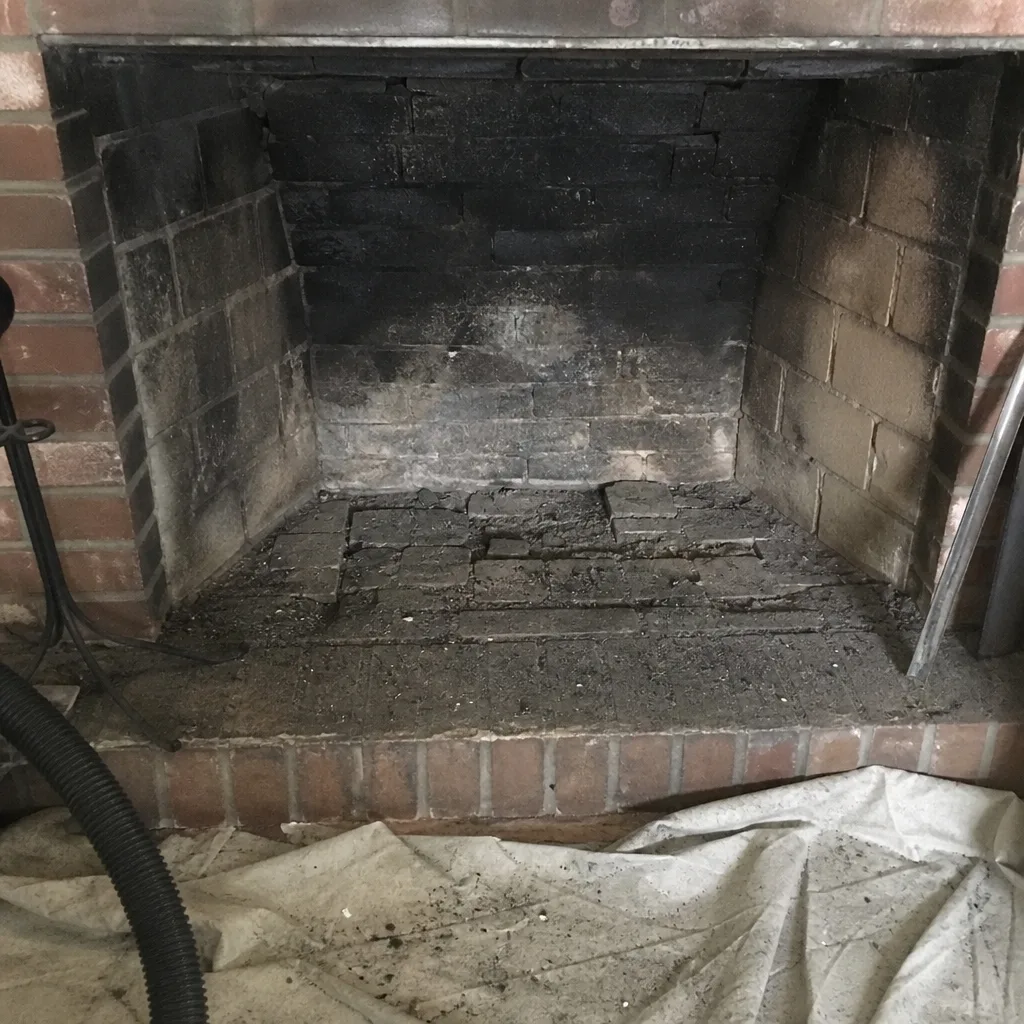 Before
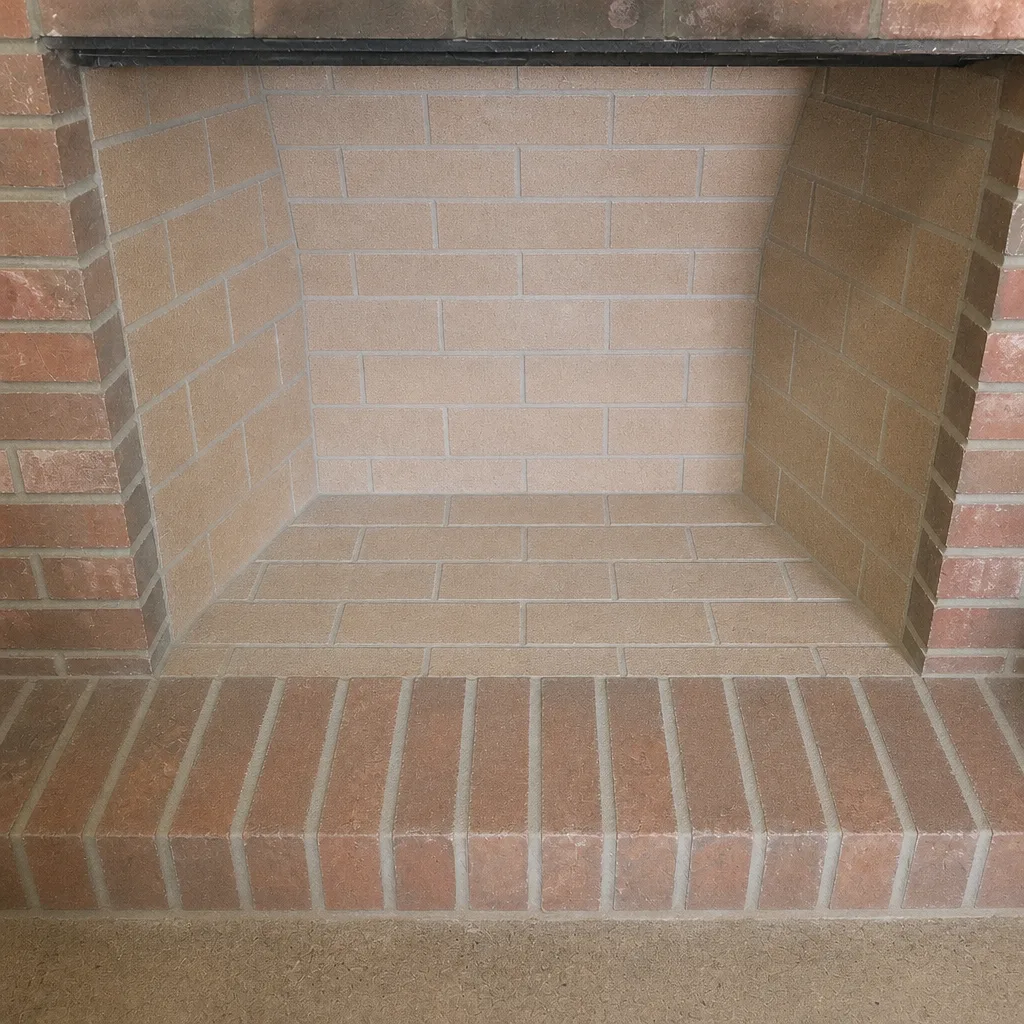 After
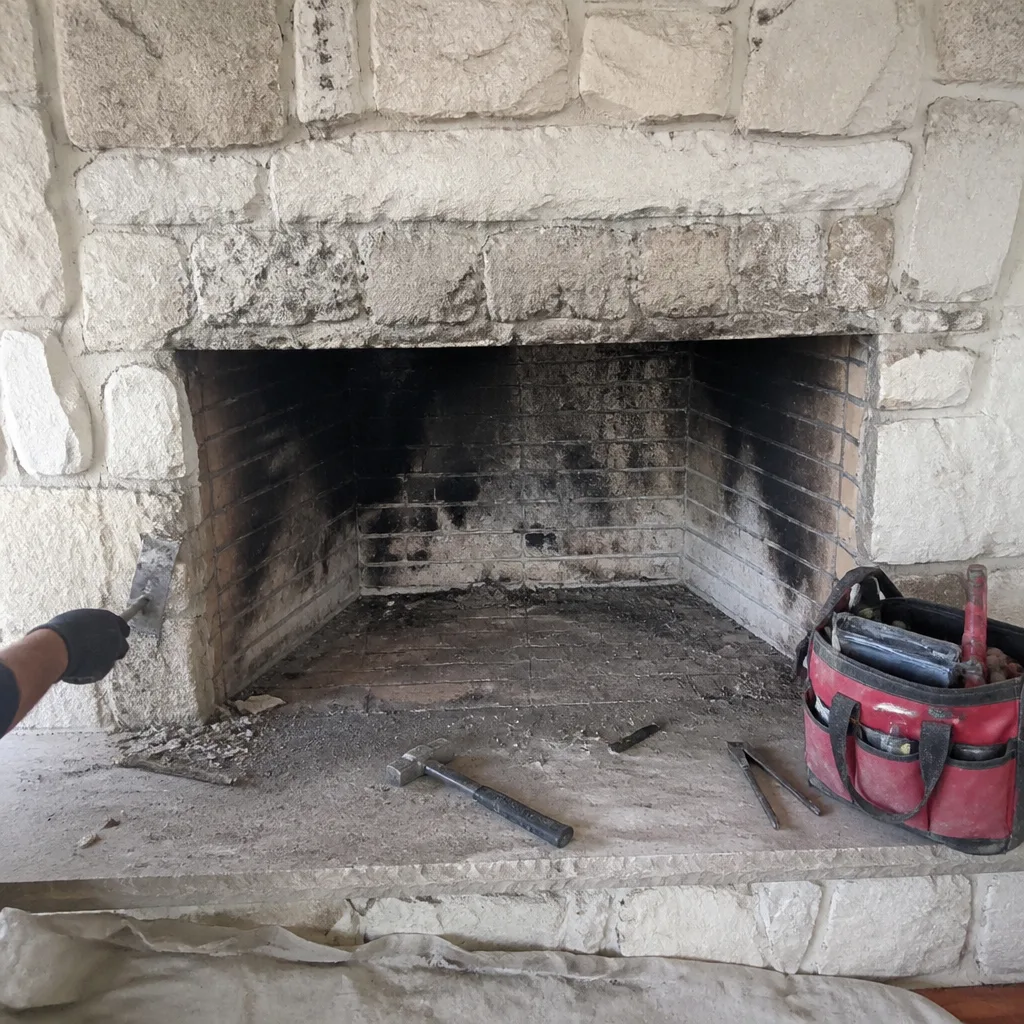 Before
 After
 Before
 After
Does homeowners insurance care about unpermitted chimney work?
It can, and that’s the part most homeowners don’t learn until they need to file a claim. Standard homeowner policies generally expect that structural work and system replacements were done with required permits, and an insurer may question a claim if the work that caused or contributed to the loss was unpermitted. Chimney work is a particular focus because the flue is a fire pathway.
The practical advice is simple: keep the paper trail. A documented inspection report, a written estimate, an issued permit and a closed inspection record together form a defensible file. If you bought a Pembroke Pines home where prior owners did chimney work with no records, a Level 2 inspection is the way to establish a baseline now, before anything happens.
Common Mistakes to Avoid
- Assuming the city handles chimney permits. Broward County administers building permitting for Pembroke Pines. Calling the city and hearing “no chimney permits” can send you down the wrong road if you don’t ask about the county.
- Treating a sweep as a code inspection. A sweep clears the flue and reports condition. It does not verify that a liner meets Chapter 10. Those are different services with different outputs.
- Skipping the permit to save time. A liner installed without a permit is faster and cheaper up front and becomes a liability at resale or in a claim. The savings don’t survive the first serious question.
- Accepting a repair estimate with no inspection report behind it. Any recommendation for a liner or a crown should be backed by documented findings you can see. If there’s no report, there’s no basis for the scope.
- Buying a Pembroke Pines home without a Level 2 inspection. A standard home inspection often doesn’t include a full chimney evaluation. Add the Level 2 before the inspection contingency expires.
- Letting exterior wear go unaddressed through storm season. Wind-driven rain and strong afternoon storms are routine in this part of Broward County. A compromised crown or cap lets water in, and water is the front door to a masonry problem.
- Accepting hardware-store parts on a repair. Caps, dampers and venting components from brands like Gelco or Copperfield cost a little more and hold up to the climate. Substitutes tend to fail first.
When to Call a Professional
Some work is genuinely routine and some is beyond what a homeowner should take on. Call a professional when a repair would change the flue system at all, when your inspection report shows a degraded liner or a cracked crown, when you’re buying or selling a Pembroke Pines home and need a Level 2 report, or when an insurer or underwriter asks for documentation. Call before you buy a house with a fireplace you haven’t had evaluated. Call when you’ve had a chimney fire, even a small one, because the flue needs to be checked afterward.
Chimney work is dangerous work – high flues, working at height, and a system that carries fire and carbon monoxide through your home. That’s why we recommend a trained professional for anything beyond cleaning. Monarch Chimney Sweep offers free estimates in Pembroke Pines – call (855) 701-1714. We answer 24/7. Fast dispatch from 7am to 7pm, Sunday through Friday.
Frequently Asked Questions
No. Chimney cleaning and inspection are exempt from permitting in Pembroke Pines because they don’t alter the structure or the flue system. A permit becomes necessary when a repair changes the chimney or the liner. Call (855) 701-1714 if you’re unsure which category your work falls into – estimates are free.
Yes, in most cases. A liner replacement or re-lining of a masonry flue is a structural change to the flue system and generally requires a permit from the Broward County building department with an inspection before the permit closes. The written estimate should state whether a permit is included. Call (855) 701-1714 for an exact quote.
A Level 1 inspection is the visual look that comes with a routine sweep. A Level 2 adds the attic, crawlspace, chimney exterior and a camera run through the flue, and it produces a written report. Level 2 is the one insurance underwriters and real estate transactions typically ask for. Call (855) 701-1714 to schedule either.
Once a year for a fireplace in regular use, and more often if you burn heavily or notice a strong creosote smell. In this climate the fireplace sees a shorter season, so the annual sweep is a check on the whole system as much as a cleaning. Call (855) 701-1714 to book a sweep before the cooler months.
It can. Insurers may question a claim when the work that caused or contributed to a loss was unpermitted, and a re-lined flue with no county record is exactly the kind of gap that surfaces during a claim. Keep your inspection reports, estimates and permit records together. Call (855) 701-1714 to get the documentation in place now.
Creosote builds up and the flue goes uninspected, which raises the risk of a chimney fire and means a damaged liner or blocked flue can go unnoticed. Carbon monoxide is the quieter concern: a compromised flue can let exhaust into living space. A yearly sweep and inspection is the low-cost way to catch problems early. Call (855) 701-1714 – estimates are free.
The Bottom Line
The permit question has a clear answer, and it turns on one line: cleaning is exempt, structural repair is not. Sweeping and inspection in Pembroke Pines don’t need a county permit, but a liner replacement, crown rebuild or firebox repointing generally does, and the Broward County record is what protects you at resale and at claim time. Pair that with a Level 2 inspection report when you’re buying, selling or answering an underwriter, and verify the permit yourself before work begins. That’s the whole system, working the way it’s supposed to. Monarch Chimney Sweep handles all three disciplines – sweep, repair and inspection – and starts every job pathway with a documented inspection. Call (855) 701-1714 for a free estimate. We answer 24/7, and fast dispatch runs from 7am to 7pm, Sunday through Friday. You can also start with Monarch Chimney Sweep and see the three services in one place, or read about the area we cover on our Pembroke Pines page.
Written by the team at Monarch Chimney Sweep.