
Last updated November 15, 2026
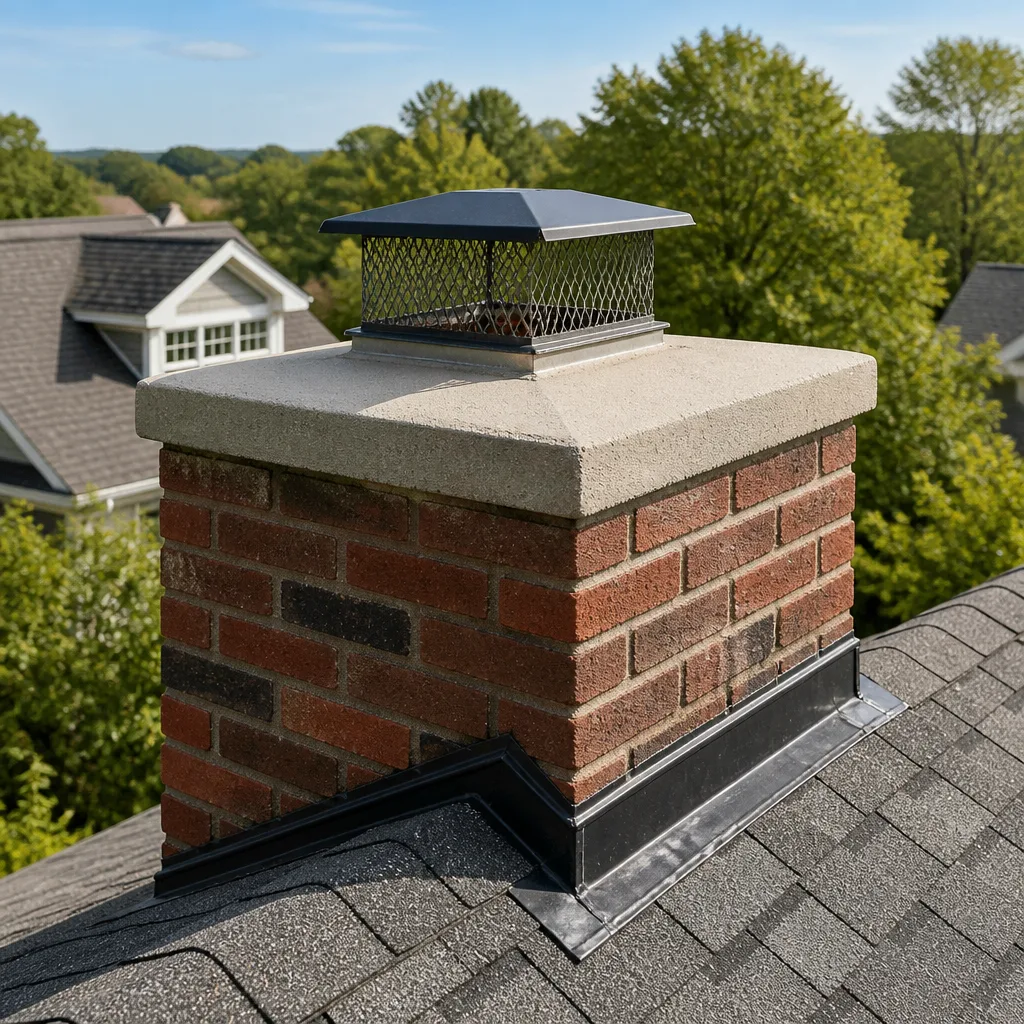 Sweep & inspection
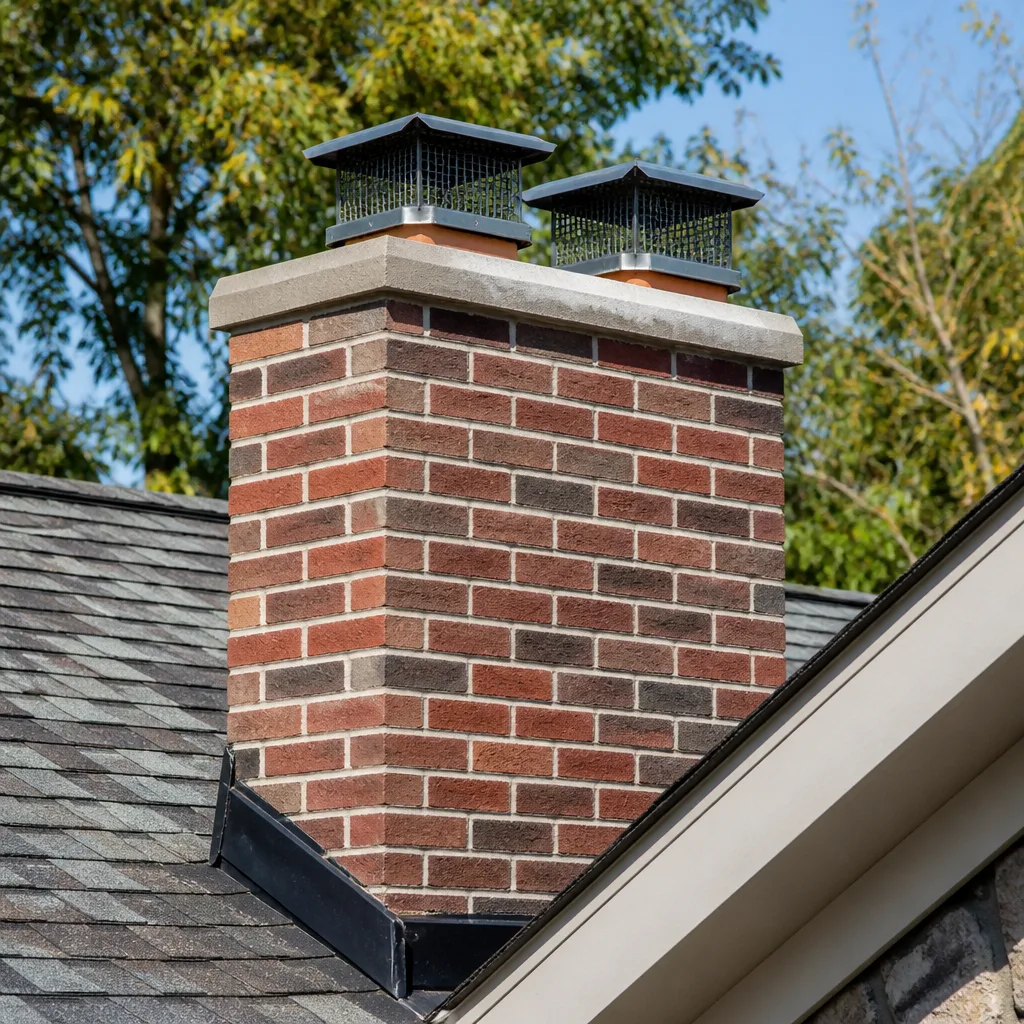 Caps & crowns
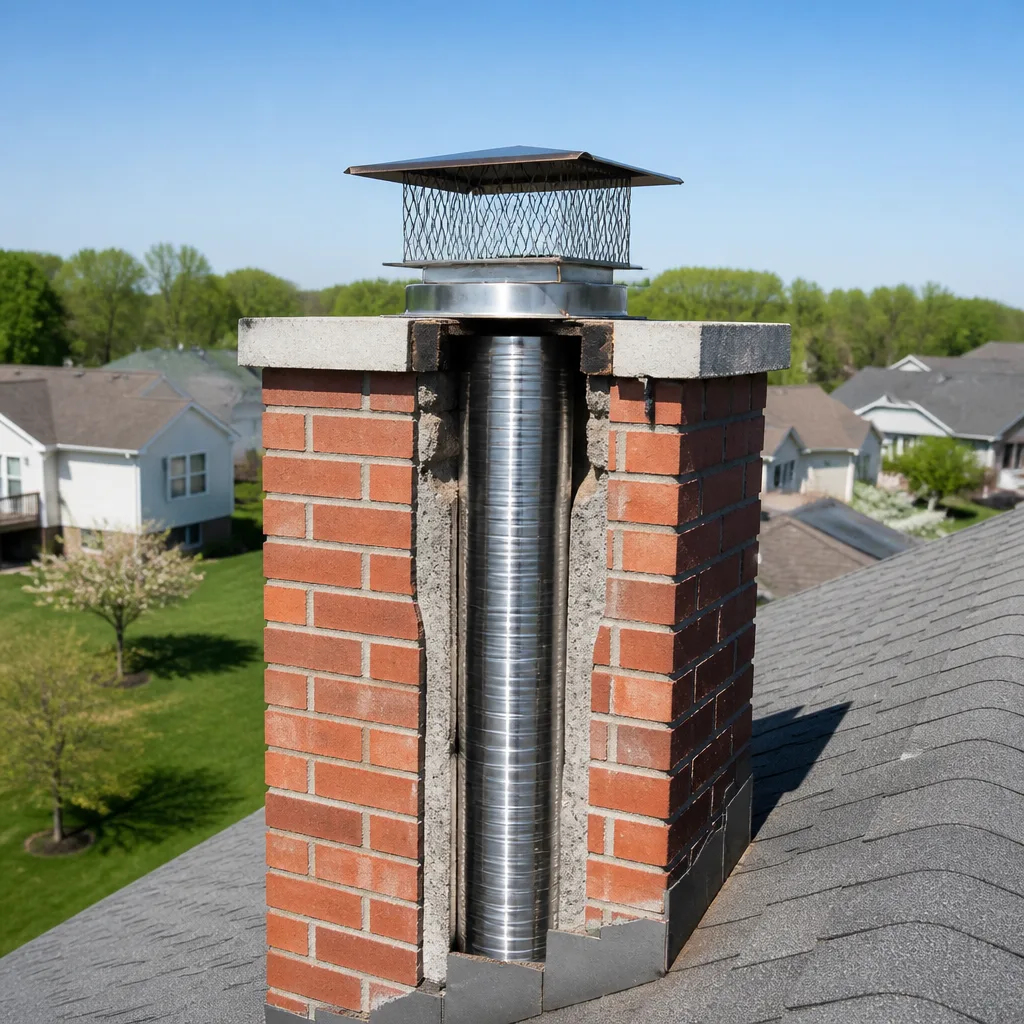 Flue relining
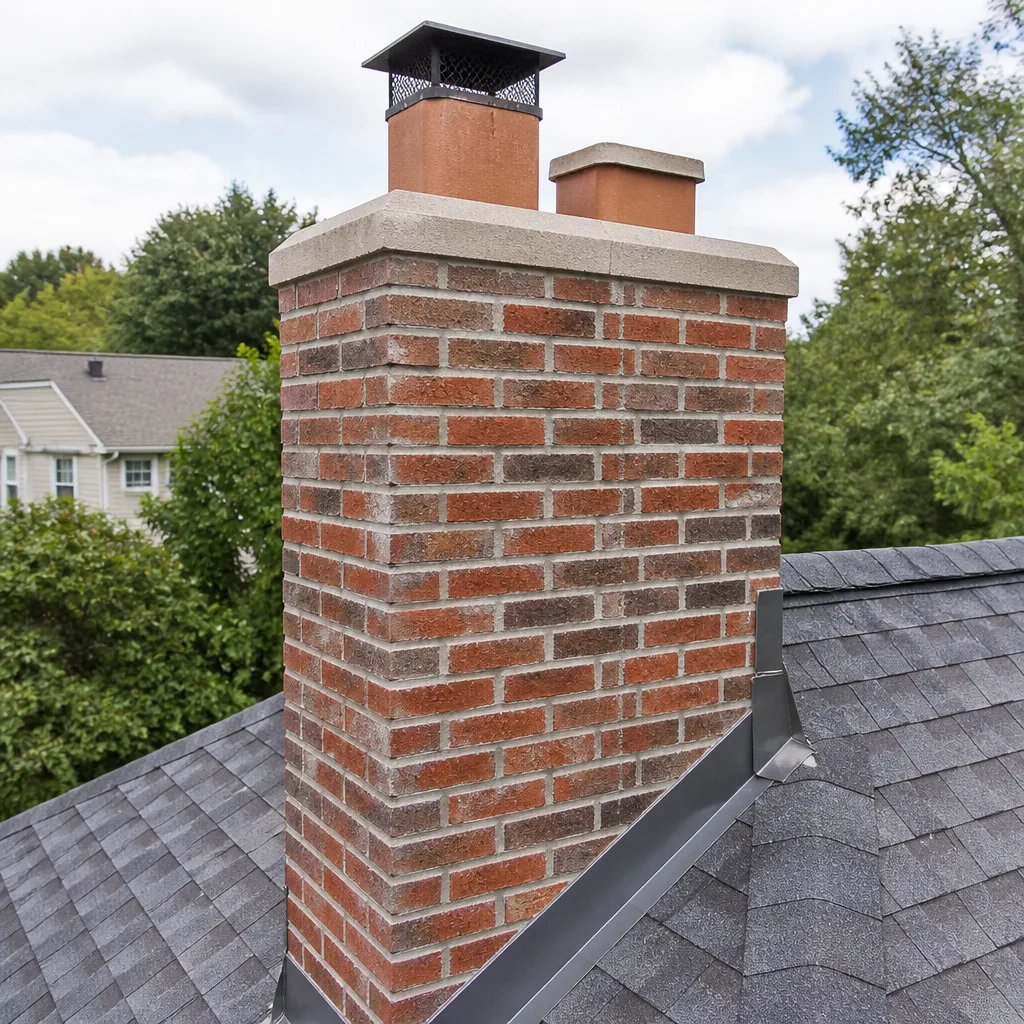 Masonry repair
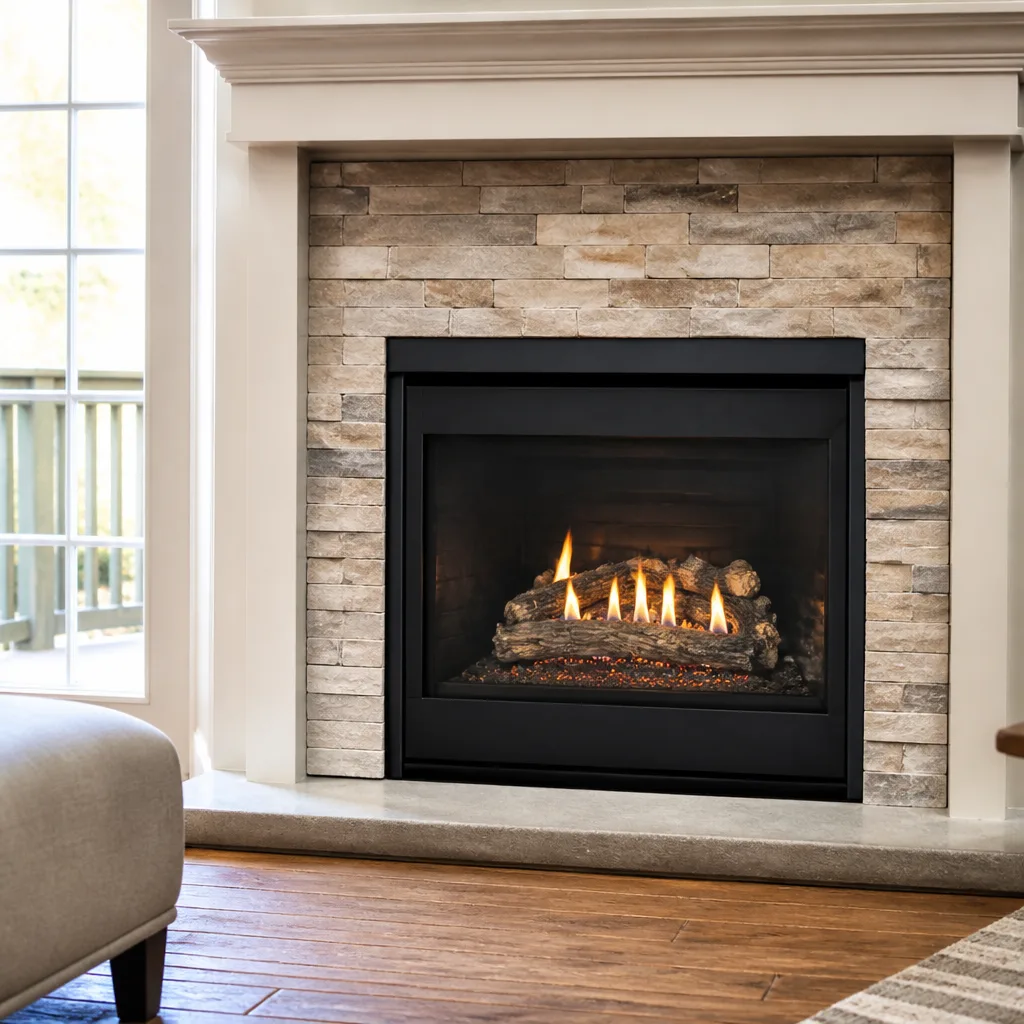 Gas fireplace service
Level 1 sweep and inspection to the NFPA 211 annual standard - flue, crown, cap, and flashing checked and photographed
Chimney sweep logs do not sweep chimneys. They loosen some creosote - which then falls where a brush and vacuum still have to collect it.
Chimney Sweep Maintenance Schedule: What to Do and When
NFPA 211 says inspect annually. That single sentence, repeated on every chimney website in the country, is the most quoted and least useful piece of advice a homeowner will read this year. Here’s why: an annual inspection was designed with a Michigan wood-burner in mind, someone running a hot fire five months straight. If you live in Pembroke Pines and light your fireplace eight or ten times between December and February, your chimney faces a completely different set of threats than a creosote-clogged flue up north. In a humid subtropical climate, eleven idle months can do more damage than a busy winter. This guide lays out a maintenance calendar built around how South Florida chimneys actually age, month by month.
Quick Answer
In Pembroke Pines, schedule a professional inspection once a year, ideally in October before your first fire, and a post-hurricane-season inspection each fall to catch wind, water, and pest damage that national averages don’t account for. A sweep is only needed when the inspection shows enough creosote or debris to warrant one, which for most South Florida homeowners is once every few years, not every season. Gas fireplace inserts follow a different timeline built around venting and moisture rather than firewood.
Styles & brands we work with
- Sweep & inspection
- Caps & crowns
- Flue relining
- Masonry repair
- Gas fireplace service
Table of Contents
- Why a National Chimney Schedule Fails in Pembroke Pines
- October: Before the First Fire
- April: Closing Out a Short Season
- The Post-Hurricane-Season Inspection
- Pests, Nests, and Moisture: The Threats That Replace Creosote
- What You Can Check Yourself vs. What Needs a Camera
- Gas Fireplace Inserts: A Different Maintenance Clock
- The Full Twelve-Month Calendar at a Glance
Why a National Chimney Schedule Fails in Pembroke Pines
Most chimney maintenance advice is written for a climate with four distinct seasons and a five-month heating load. Southern Florida breaks that assumption in two directions at once.
First, you burn far less. A Pembroke Pines homeowner might run the fireplace for a handful of cool evenings in January, then not again for ten months. That means creosote, the tar-like residue from slow, cool fires, builds up slowly. The annual sweep cycle exists because northern chimneys genuinely need it. Yours usually doesn’t.
Second, and this is the part most guides skip, the months you’re not burning are the months your chimney faces its real risks. Warm, humid air sits in an idle flue. That air carries moisture into porous masonry and mortar joints. It also creates a welcoming environment for birds, squirrels, and insects looking for a sheltered cavity. A chimney in Pembroke Pines that goes untouched from March to November can accumulate more biological and moisture damage than a working chimney in a dry climate accumulates in a full season of heavy use.
So the schedule we recommend here inverts the national priority. Instead of starting with creosote and sweeping frequency, it starts with moisture, moisture-driven masonry problems, and pests, then folds in the burning season at the end.
The good news is that this schedule is simpler than the northern version, not more complicated. You just have to look at the right things at the right time.
October: Before the First Fire
October is the most important maintenance window on the Pembroke Pines calendar. It sits after the worst of the rainy season and before the first genuinely cool evening, which gives you a clear window to look at the system before you need it.
Here’s the October sequence we recommend:
- Book your annual inspection in early October. This is the anchor appointment of the year. It catches everything that happened to the chimney during the idle months and confirms the flue is ready for use.
- Confirm what the inspection found. A proper report documents the flue, firebox, damper, cap, and visible flashing. Ask for photos if the technician uses a camera, which we do on every inspection.
- Address anything flagged before cooler weather arrives. Repairs scheduled in October get resolved well before you want a fire. Repairs attempted in December are a scramble.
- Test the damper and the first fire. Open and close the damper a few times. Light one small fire to confirm draft is strong and smoke isn’t rolling into the room.
- Check your smoke and carbon monoxide detectors. Batteries fresh, units not expired. This is not chimney work, but it’s the other half of a safe first fire.
If you’re in a condo or townhouse community, October is also the right time to look at the chimney from the exterior. Wind-driven rain during the summer months can push water past a failing cap or cracked crown, and the damage sits quietly until someone looks.
For the sweep itself, this is the appointment to schedule if you’re due. A dedicated chimney sweep in Pembroke Pines booked in October doesn’t compete with the pre-holiday rush that hits the trade in November and December.
April: Closing Out a Short Season
April is the second key checkpoint. Your burning season is essentially over by then, and the chimney is about to sit idle for months of heat, humidity, and rain.
The April checklist is shorter than October’s but just as important:
- Sweep the firebox and clear ash. Ash that sits in a damp firebox over the summer accelerates corrosion in metal components and stains masonry. Empty it once the season ends.
- Close the damper fully. An open damper is a direct path for humid air and insects into the living space. Close it, and confirm it seals.
- Check the cap and crown visually from the ground. Use binoculars if you have them. You’re looking for a cap that’s shifted or come loose, and for any obvious gap at the crown, the masonry crown at the top of the chimney.
- Note anything that needs a closer look. Save those observations for the fall inspection. Don’t try to fix a cap or crown from a ladder yourself; that’s a fall risk and the repair needs to be done properly.
The reason April matters more than most guides admit is that the chimney will now go through five or six months of humidity without a fire to dry it out. A chimney that was fine in February can develop hairline cracks in the crown or mortar by August. Catching the start of that damage in April gives you time to plan the repair before the fall appointment.
If your inspection in October flagged minor masonry wear, April is a reasonable time to schedule the cosmetic or protective part of the work. Anything structural waits for the fall inspection to confirm the full picture, and we’ll explain why in a moment.
The Post-Hurricane-Season Inspection
This is the maintenance step that most national chimney guides leave out, and it’s the one South Florida homeowners can’t skip. Atlantic hurricane season runs June through November. That’s six months of wind, driving rain, and debris.
A chimney that sits through that period can take damage you’d never notice from the living room:
- Wind can shift a chimney cap or lift it partially off.
- Driving rain can find its way past a damaged crown or flashing and into the masonry.
- Debris, from leaves to small branches, can lodge on top of a spark arrestor or inside the flue.
- Flashing, the metal where the chimney meets the roof, can lift or crack.
- Pests displaced by storms can shelter in the flue.
The practical recommendation: schedule a post-hurricane-season inspection each fall, ideally in October, that covers exactly these items. That fits neatly with your annual inspection, which is why October is the best single window. One appointment covers both the annual inspection and the storm-damage review.
If a named storm passed through your area during the season, mention it when you book. The technician will know to look more carefully at the cap, crown, and flashing, and will photograph what they find. Some issues are visible in seconds to a trained eye and completely invisible from the ground.
Pests, Nests, and Moisture: The Threats That Replace Creosote
In a heavily used northern chimney, the top threat is creosote, and a professional sweep has to remove it before it creates a serious fire hazard. In an infrequently used Pembroke Pines chimney, creosote usually isn’t the primary concern. These are:
Birds and nests. A chimney without a proper cap is the best birdhouse on the block. Nests block draft and hold moisture. They can also attract other pests.
Squirrels and rodents. A chimney is sheltered and warm. Rodents will use it, and the debris they leave behind can clog the flue and create odor problems in the summer.
Insects. Paper wasps, ants, and termites all find a masonry chimney and the wood framing near it attractive, especially when it sits idle. An inspection is where these get spotted, because the evidence is often at the top or in the firebox corners.
Moisture. It’s the single most destructive thing that happens to a chimney in this climate. It works on the crown, the mortar joints, and any metal component that wasn’t stainless. A proper cap is the primary defense, which is why we specify caps and dampers from makers like Gelco and Famco, the same hardware professional masons and chimney contractors nationwide install.
The fix is straightforward: install a proper cap, keep the chimney in the annual inspection schedule, and address small masonry problems before moisture gets a second season to work on them. A specialist will tell you plainly when a cap is fine and when it needs replacement, and the difference is visible. A generalist with a brush won’t necessarily know to look.
What You Can Check Yourself vs. What Needs a Camera
You can do a surprising amount of useful checking without tools. You just have to know what you’re looking at, and where your responsibility ends.
What you can legitimately check yourself:
- The firebox, from inside. Look for loose brick, crumbling mortar, or a fireback that’s cracked.
- The damper. Confirm it opens, closes, and seals fully.
- The visible flashing and cap from the ground, with binoculars. You’re looking for obvious gaps, shifts, or rust streaks.
- Any water staining on the ceiling or walls near the chimney. If you see one, write down where and when you noticed it.
- The smell. A strong creosote odor on a warm day, without a fire burning, is worth mentioning to a technician.
What requires a camera and a trained professional:
- The internal flue surface, especially in the upper sections.
- Creosote thickness on the flue walls, which is not visible from the firebox.
- Whether the flue liner is intact or failing.
- The crown and the top of the chimney at close range.
- Whether a nest or debris has collected in a section of flue you can’t see.
The camera inspection is where the real diagnosis happens. We hold every inspection to the same standard: inspect first, recommend second. Nothing is recommended without a documented finding you can see in the photos. That’s the point of the picture. If a recommendation comes with a photo of the exact problem, you can judge whether it’s real. If it doesn’t, ask for one. A specialist will provide it without hesitation.
If the inspection turns up a damaged liner, chimney repair in Pembroke Pines is where the conversation moves next. Liner issues are common in this climate and there are specialist options, including HeatShield resurfacing for flues that are deteriorating but not outright failed. It’s a genuinely different choice from full replacement, and it should be explained as one. We’ll go deeper on that in a moment.
Gas Fireplace Inserts: A Different Maintenance Clock
A gas fireplace insert, which many Pembroke Pines condos and townhomes include, follows a somewhat different calendar than a wood-burning system. It doesn’t produce creosote. Its different maintenance needs are just as real.
The priority list for a gas insert:
- Venting. The vent pipe needs to be checked annually for obstruction, especially from birds or debris. A blocked gas vent is a carbon monoxide risk, which is why it’s not optional.
- Burner and pilot assembly. Dust and debris can accumulate over the idle months. A technician will clean and test the assembly as part of an inspection.
- Glass and logs. Carbon deposits on the glass or soot on the log set are signs of incomplete combustion and worth flagging.
- The cap and exterior terminations. Same as wood-burning. A shifting cap or debris buildup is a real issue regardless of the fuel.
Because there’s no creosote, gas inserts rarely need a sweep in the traditional sense. They do need an annual inspection and a vent check. A gas insert that’s “never been serviced” is a common situation in this housing market, and the first inspection is where a homeowner learns what condition the system is really in.
One thing to keep straight: gas vent checks and inspections fall squarely within chimney work. Real fireplace installation and gas line work are separate trades, and we don’t claim them. What we do is inspect, clean, and repair the chimney and venting system that surrounds the insert, and we’ll tell you plainly which specialist to involve if the insert itself needs service.
The Full Twelve-Month Calendar at a Glance
Here’s the whole schedule condensed into a single reference you can copy into a calendar and set reminders against. None of these steps take long. Missing them is what makes the work expensive later.
January or February – In-season check. Look at the firebox, confirm the damper operates, and note any change in how the fire draws. If smoke has started coming into the room, stop using the fireplace until you’ve had it inspected.
March or April – End-of-season close. Sweep the firebox, empty the ash, close the damper, and do a binocular check of the cap and crown. This is the last time you’ll easily see the top of a wood-burning chimney before the humid months set in.
May or June – No chimney work required in most homes. Keep an eye on the ceiling and walls near the chimney for any new staining. Note any smells.
July through September – Hurricane season. If a storm has passed through, mention it when you book the fall inspection. Otherwise, no action.
October – Annual inspection. Cover the full system with a camera. Address any flagged repairs before the first fire. Test the damper.
November or December – First fire of the season. One small fire, watched carefully. Confirm draft.
That’s eight scheduled checkpoints a year, most of which take ten minutes or less and none of which require a ladder. The two appointments that matter most (April and October) are the two we recommend you put in your phone right now.
The other thing to know: the schedule is a guide, not a replacement for judgment. If something changes, call. A fireplace that suddenly draws poorly, a smell that wasn’t there last season, or a water stain that appears overnight are all reasons to move up the next appointment regardless of the calendar.
If you need help understanding your own system, our team at Monarch Chimney Sweep works with the same professional-grade materials used by master masons and certified chimney installers nationwide, including DuraFlex flexible liner systems, Gelco and Famco caps and dampers, and Olympia Chimney components. Whether your chimney is in a traditional house or part of a Pembroke Pines condo community, the schedule above applies. What changes is who you call.
Common Mistakes to Avoid
- Treating the annual inspection as a national-average rule. It’s a starting point, not a full schedule. In Pembroke Pines, an annual inspection needs to include a post-hurricane-season review of the cap and flashing. A generic “see the chimney once a year” appointment misses most of what actually damages a chimney in this climate.
- Skipping April because the fireplace is already “done” for the year. The idle months are when moisture damage accumulates. April is when you catch the start of it. A homeowner who skips the April close often finds a bigger repair bill in October than they’d have faced if they’d spent fifteen minutes in April.
- Assuming a cap is optional. A cap is what keeps water, birds, and rodents out of an idle flue. A chimney without a cap is an open invitation for all three. Caps from Gelco and Famco are standard professional-grade hardware, and installing one is one of the highest-value steps a homeowner can take.
- Relying on a generalist handyman for a flue diagnoses. A handyman can brush a firebox. A flue diagnosis requires a camera and a trained eye, and the difference between “ready to use” and “needs a liner” is not one a generalist is equipped to make. This is why we say: inspect first, recommend second.
- Skipping the inspection because the chimney “looked fine” from the ground. From the ground, you can see the cap and the crown. You cannot see the flue. Most serious findings show up in the internal flue, which requires a camera. Looking fine from the outside is not the same as being fine.
- Treating a gas insert like a fireplace that doesn’t need maintenance. Gas inserts don’t produce creosote, but their venting is a carbon monoxide risk if it blocks. Annual inspection and a vent check are the priority, not a casual mood.
- Lighting the first fire without a cold-weather check in October. Small issues, like a partially open damper or a cap that’s shifted, become serious ones the first time you actually burn. Confirm both before lighting.
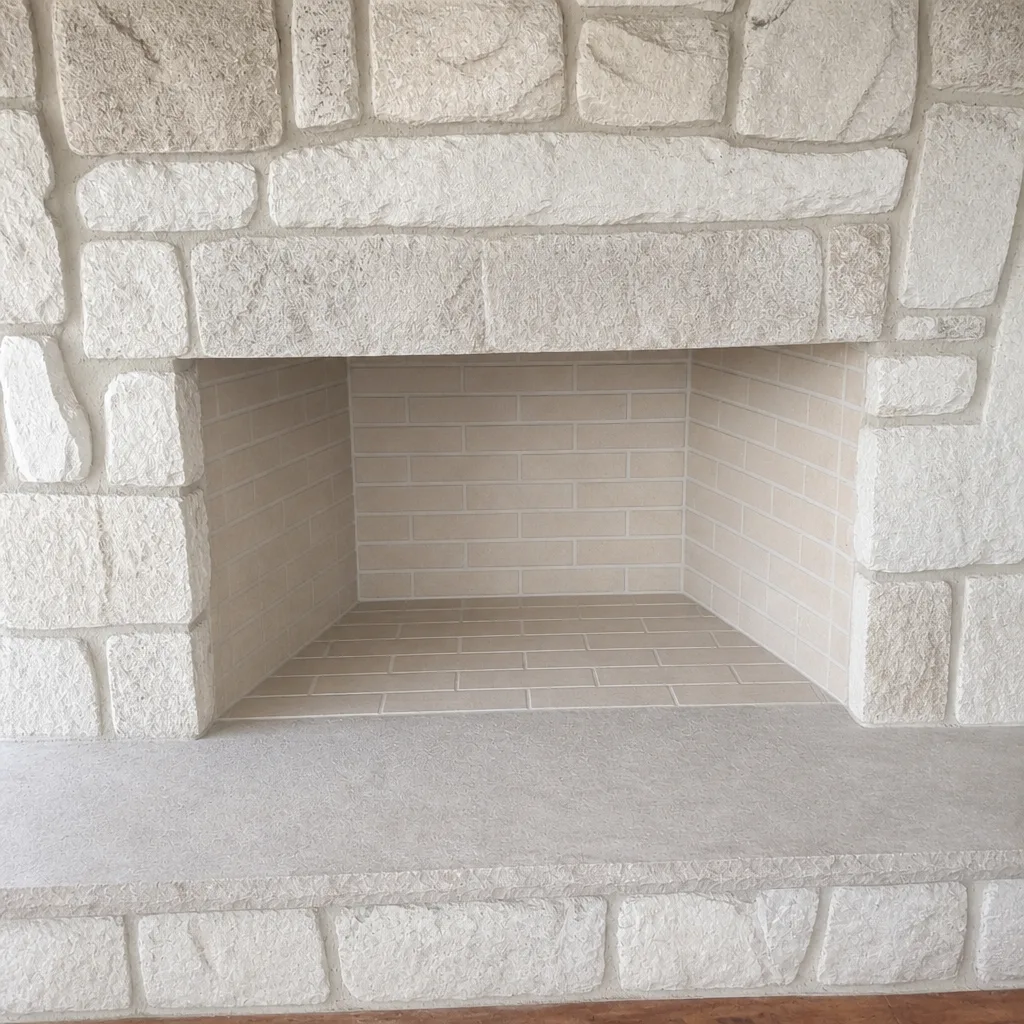
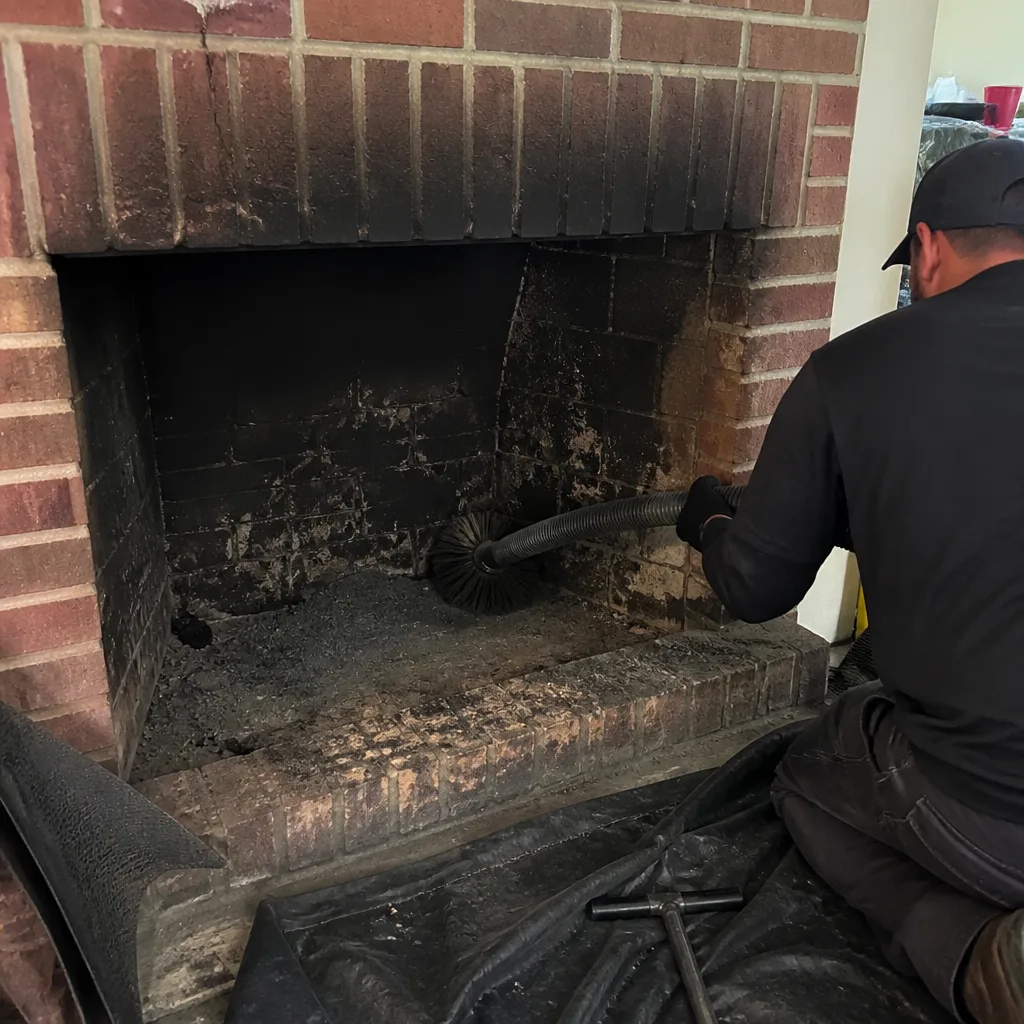
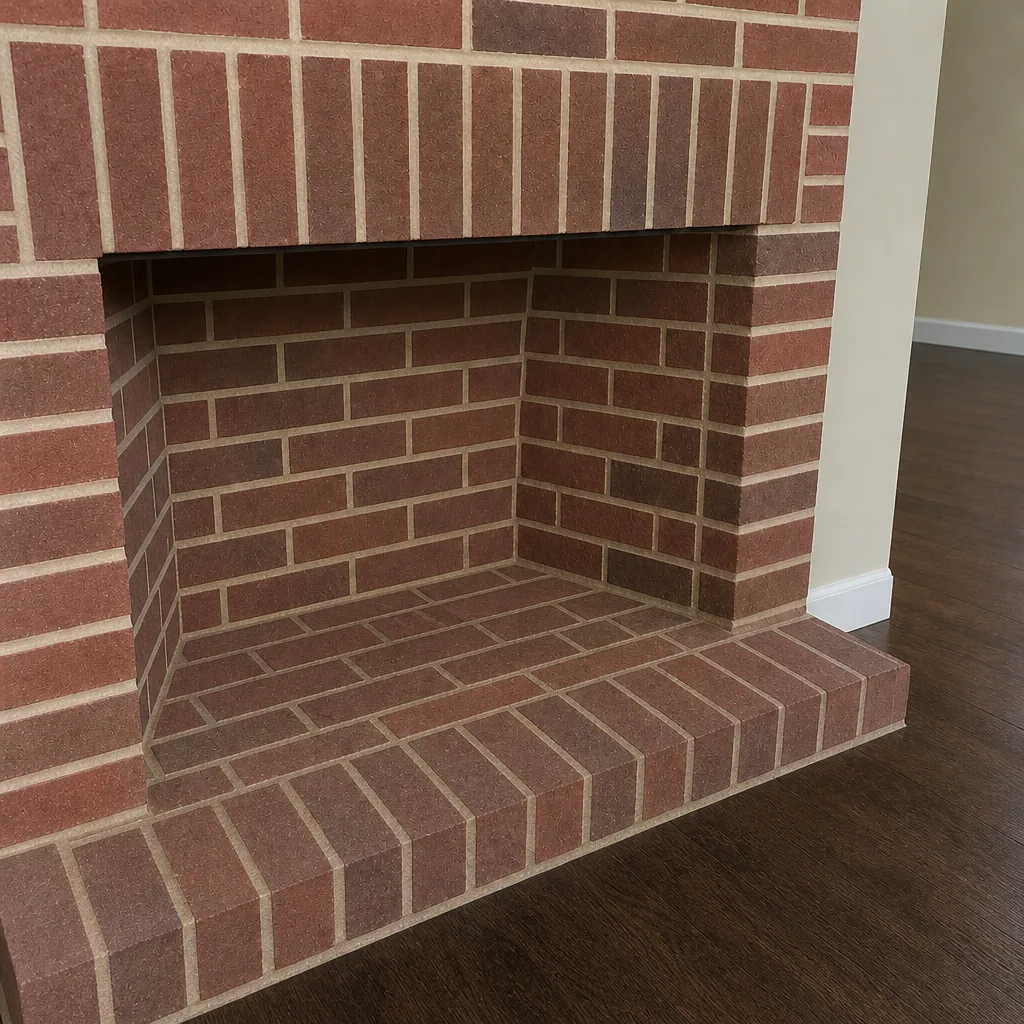
See the difference
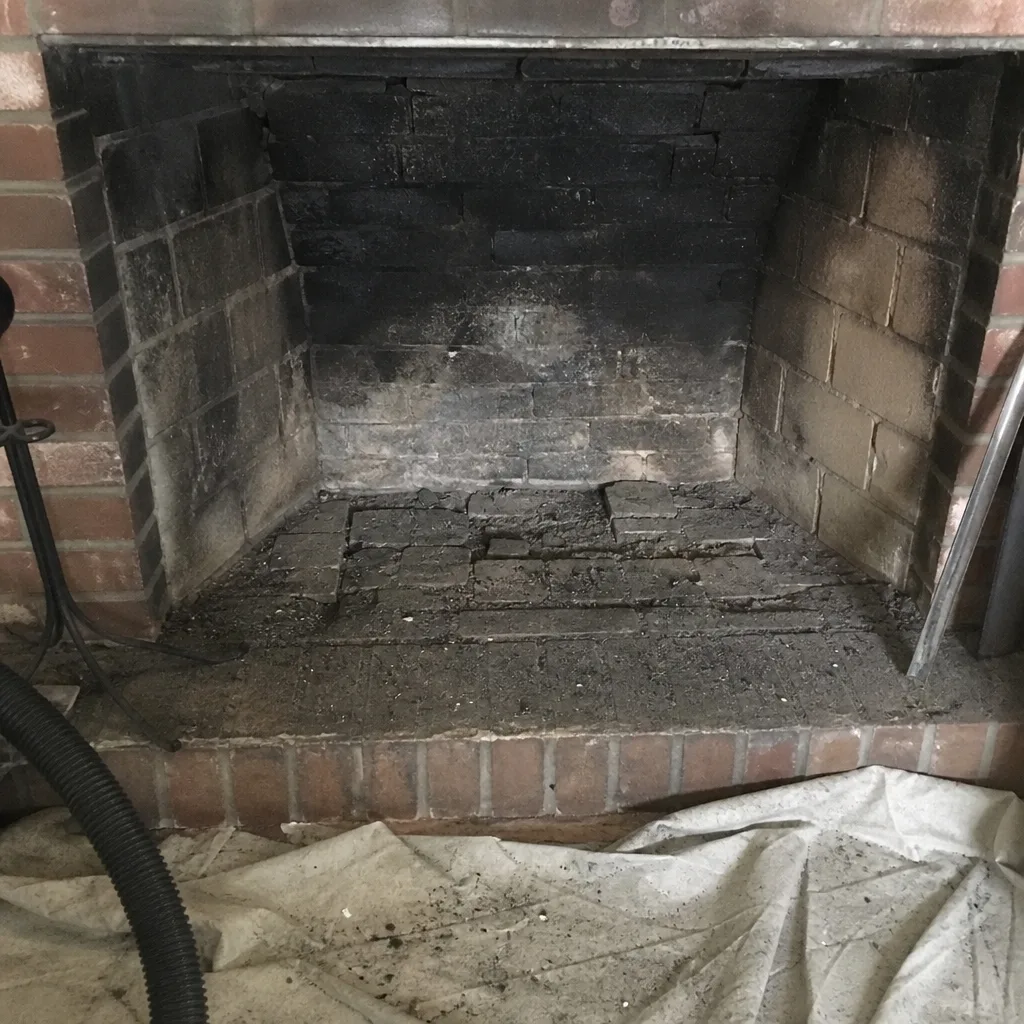 Before
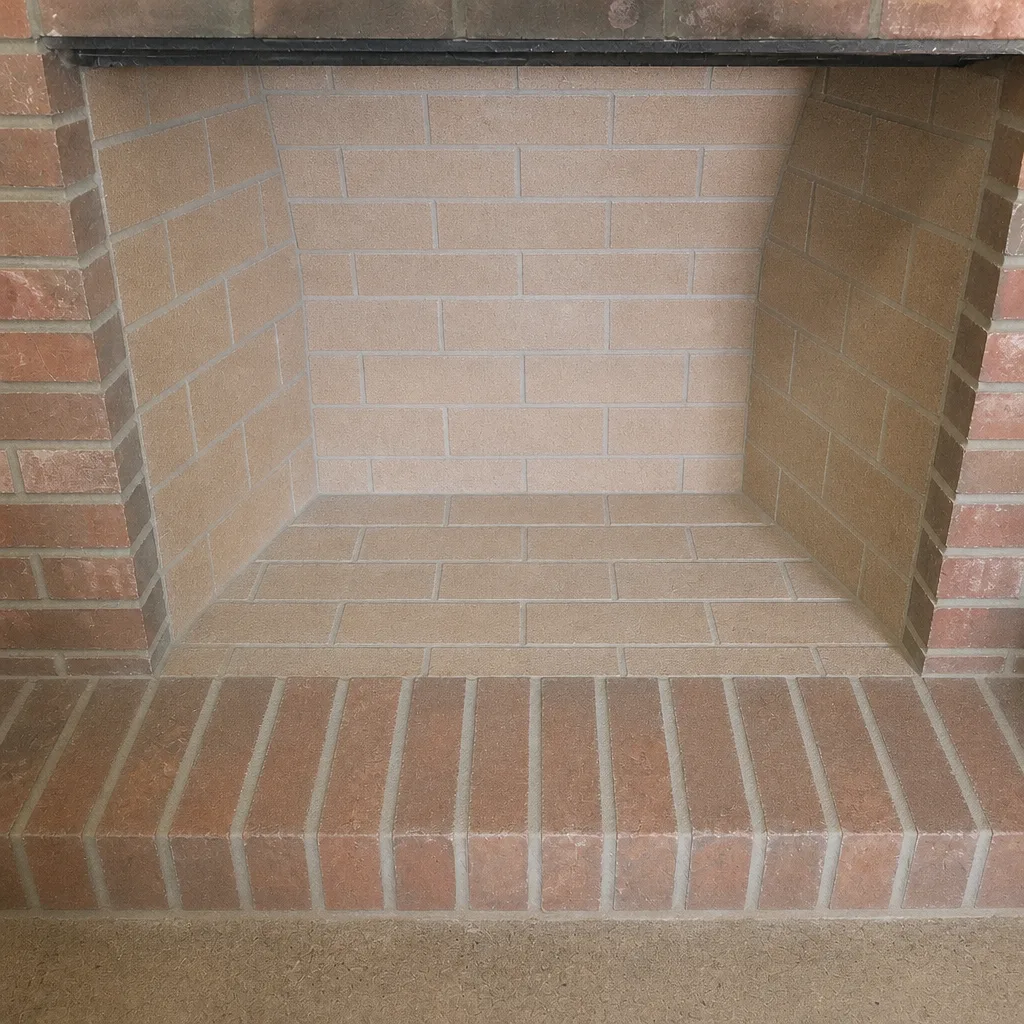 After
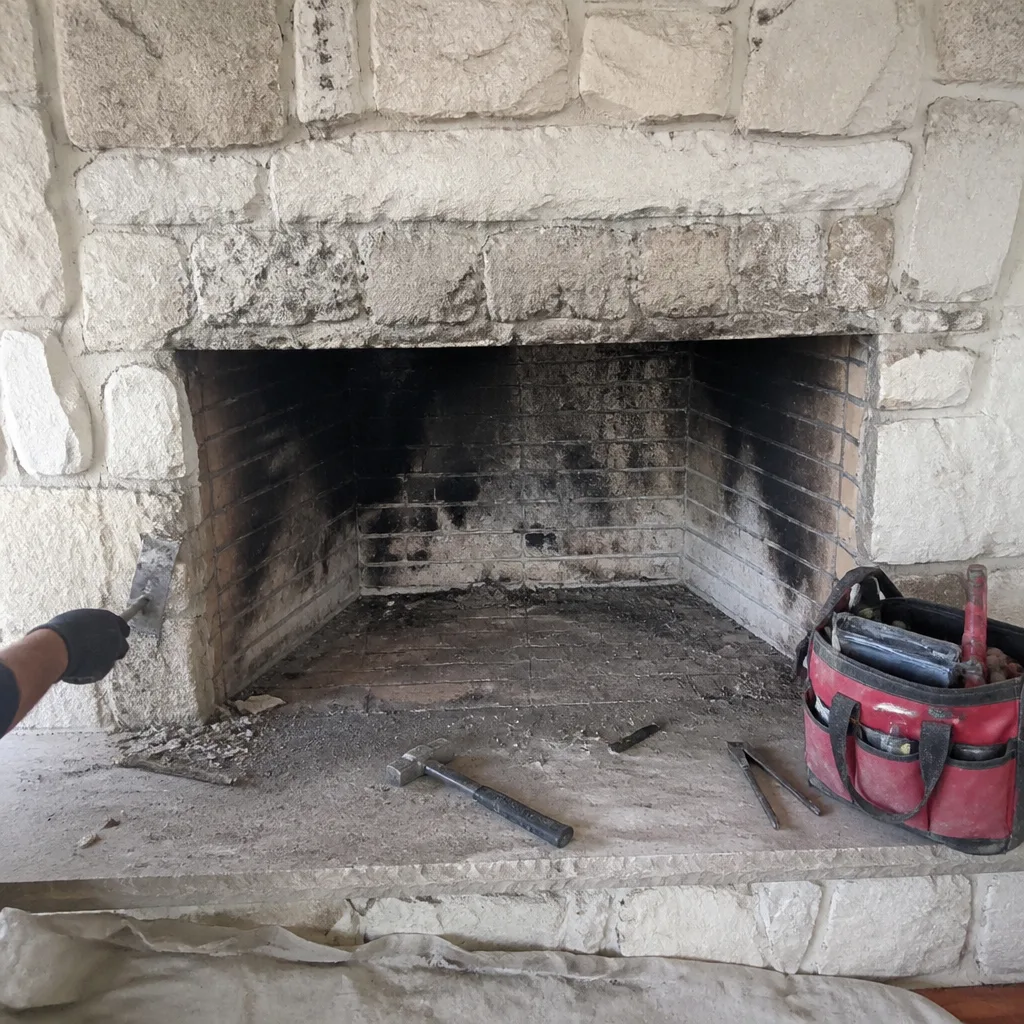 Before
 After
 Before
 After
When to Call a Professional
Call for a professional inspection if any of these apply: you haven’t had the system inspected in the past year, you’ve never had a camera inspection, you’ve noticed a smell or a change in draft, you’ve had visible water staining near the chimney, a storm has passed through, you’re buying or selling a home in Pembroke Pines, or you’ve recently moved into a home and don’t know its service history. Call for a repair or a second opinion if any inspection has recommended a liner, crown, or masonry work and you want a documented finding before you commit to it. A free estimate with a written scope is the right way to start. Monarch Chimney Sweep offers free estimates in Pembroke Pines, and every one of them begins with an inspection. Call (855) 701-1714. We answer 24/7. Fast dispatch from 7am to 7pm, Sunday through Friday.
Frequently Asked Questions
Once a year is the standard, and in Pembroke Pines we recommend timing that annual inspection in October so it doubles as a post-hurricane-season review of the cap, crown, and flashing. The annual inspection is a baseline, not a maximum; if anything changes, call earlier. For a home that’s never been inspected, or a home you’ve just purchased, book the first inspection before the next burning season.
No. A sweep is only needed when the inspection shows enough creosote or debris to justify it, and for an infrequently used Pembroke Pines fireplace, that’s typically every few years, not annually. The inspection is the annual step. The sweep is a response to what the inspection finds. Sweeping a chimney that doesn’t need it is a waste of money, and a specialist will tell you so.
You lose visibility into the parts of the chimney you can’t see: the internal flue, the crown, the flashing, and any debris or nest buildup. In a humid climate, that gap is where moisture-driven cracks in the crown and mortar joints start, and where pests settle in. It rarely shows up as a sudden problem, and that’s the risk; the damage accumulates quietly and only presents itself as a cost when it’s already advanced. Skipping a couple of years doesn’t guarantee failure, but it removes the early warnings the inspection exists to provide.
Because Atlantic hurricane season runs June through November, and the wind, driving rain, and debris that pass through during those months can shift a cap, crack flashing, and push water past a failing crown. Those issues are largely invisible from inside the home and often invisible from the ground. A dedicated post-season review is the check that catches them, and scheduling it as part of the October inspection keeps it on the calendar without adding another appointment.
Yes. A gas insert doesn’t produce creosote, so the sweep cycle is different, but the annual inspection and the vent check are just as important because a blocked gas vent is a carbon monoxide risk. The priorities for a gas insert are venting, burner and pilot condition, and the exterior cap and termination. Many Pembroke Pines condos and townhomes have gas inserts, and a first inspection is often where a homeowner learns the system has never been serviced.
Chimney repairs and liners typically require permits from your city’s building department, and the requirements can vary by what’s being done and how the structure is built. We don’t replace that step; we tell you when it applies and let you or your contractor handle it. Ask your city’s building department for the current requirement before you authorize a repair, and ask any contractor you hire how they plan to document the work.
Every estimate we give is free, and any work is quoted per job in a written estimate that sets the final price. Nothing is recommended without a camera finding, and the finding is documented with photos you can see for yourself. There’s no service-call fee, and there’s no fee to have a repair reviewed and explained. Call (855) 701-1714 for an estimate – estimates are free. We answer 24/7. Fast dispatch from 7am to 7pm, Sunday through Friday.
The Bottom Line
The annual inspection rule is the right starting point and the wrong place to stop. In Pembroke Pines, the schedule that actually protects a chimney is built around two fixed checkpoints: April, when you close out the season and clear the firebox, and October, when you book the annual inspection and the post-hurricane-season review together. Between them, the threats that matter most are moisture, pests, and storm damage, not the creosote buildup the national advice is written around. Gas inserts follow a separate vent-check clock, and they need it just as much. If you’ll remember only one thing from this guide, make it the pair of dates: April and October. Set them in your phone now, and the rest of the schedule takes care of itself. When you’re ready to book, a dedicated chimney sweep in Pembroke Pines can have the October appointment on the calendar in a two-minute call.
Ready to Book Your Annual Inspection?
Call (855) 701-1714 for a free estimate. We answer 24/7. Fast dispatch from 7am to 7pm, Sunday through Friday. Our technicians have up to 8 years of experience, and every job begins with an inspection, a documented finding, and a written scope before any work is recommended. Whether you need a sweep, a repair, or a straight answer about whether anything needs doing at all, our team at Monarch Chimney Sweep will walk you through what’s actually there. Built to the Monarch standard: inspect first, recommend second.
Written by the team at Monarch Chimney Sweep.