
Last updated November 15, 2026
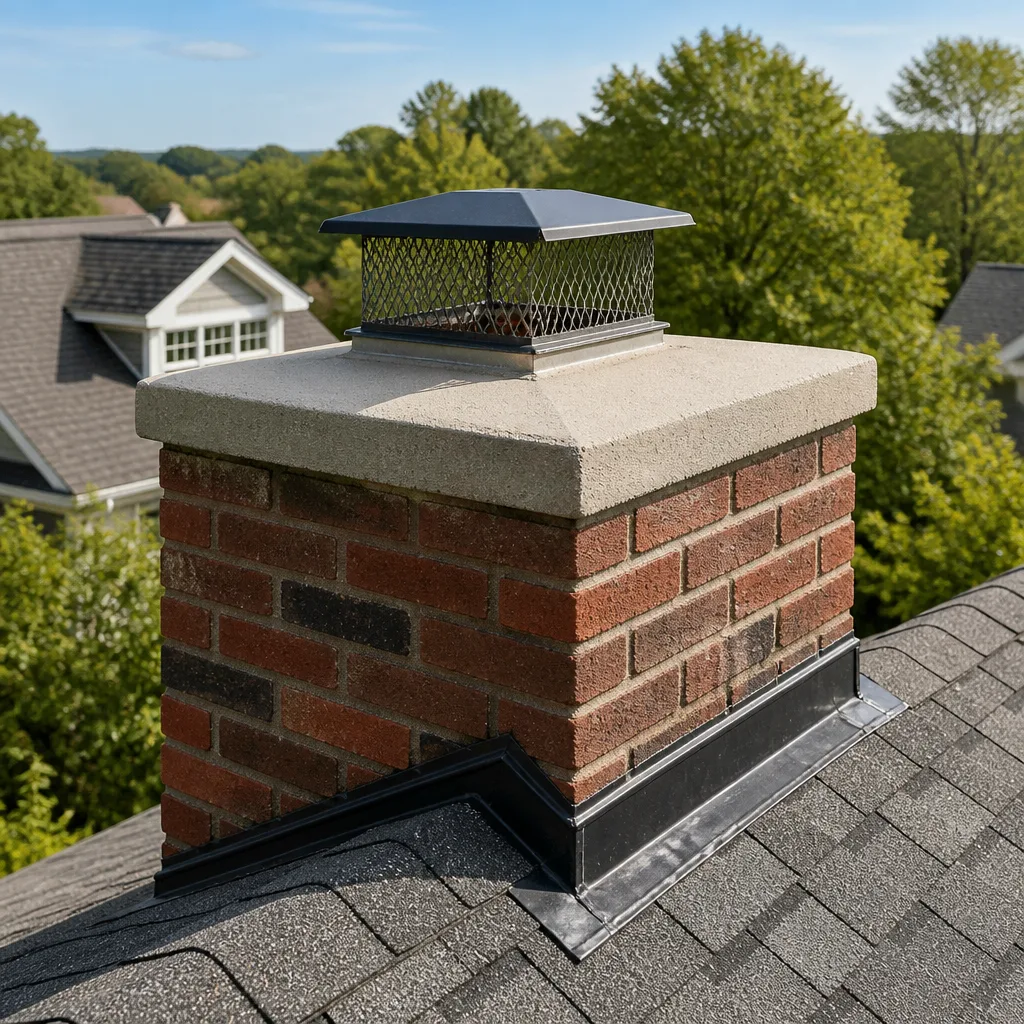 Sweep & inspection
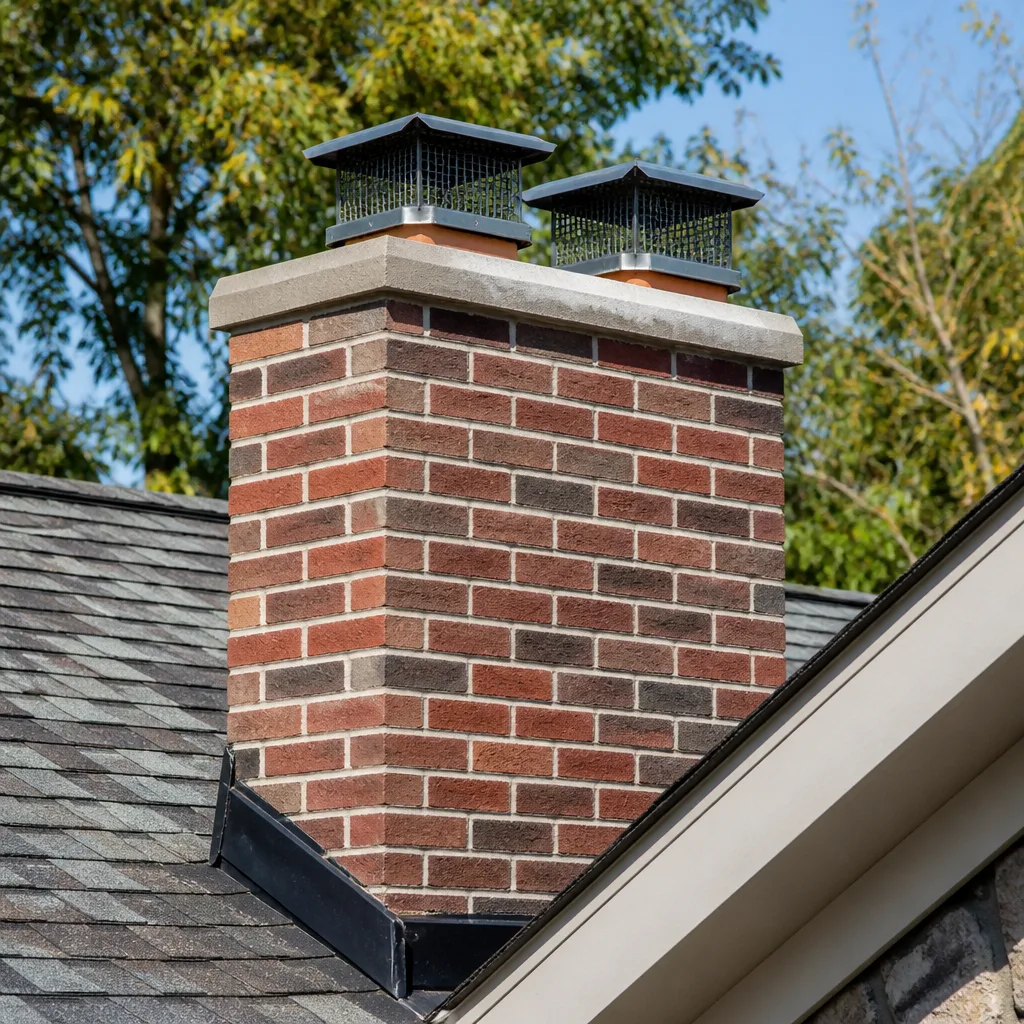 Caps & crowns
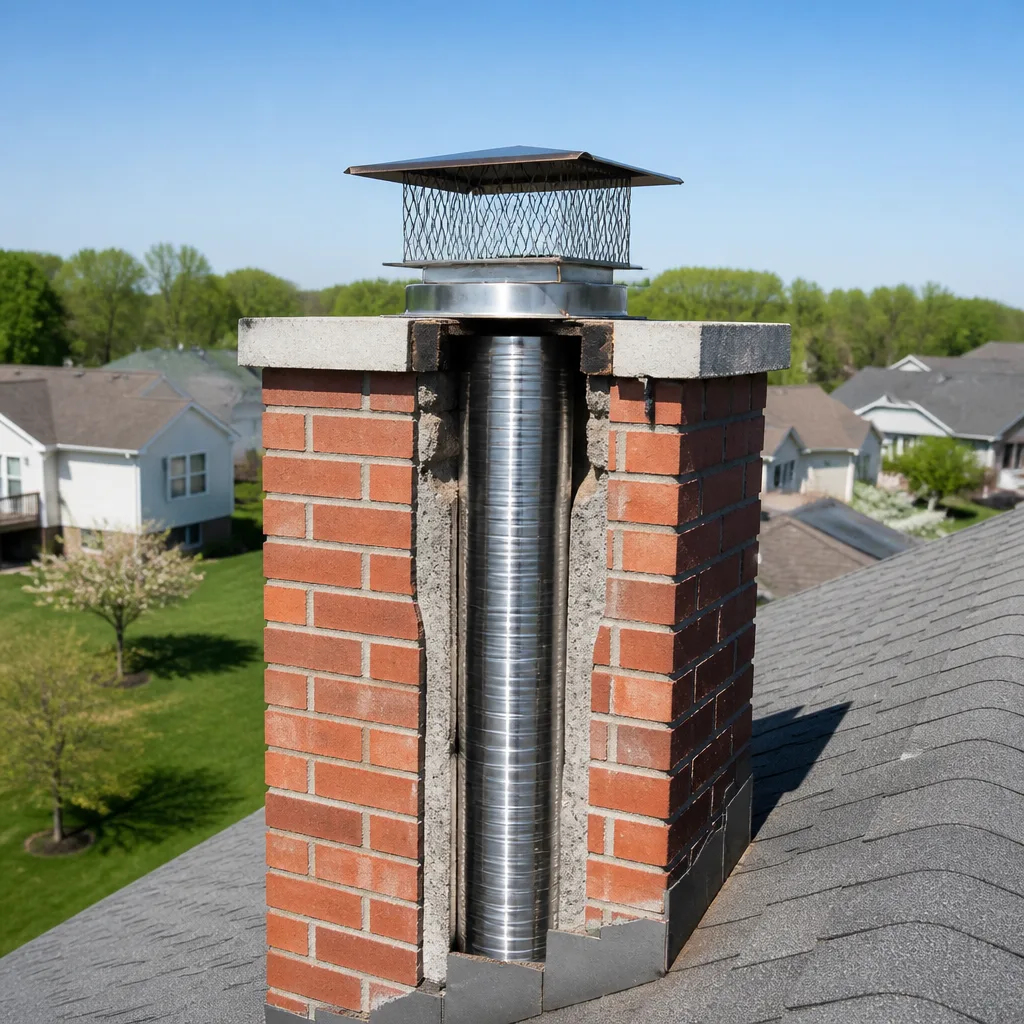 Flue relining
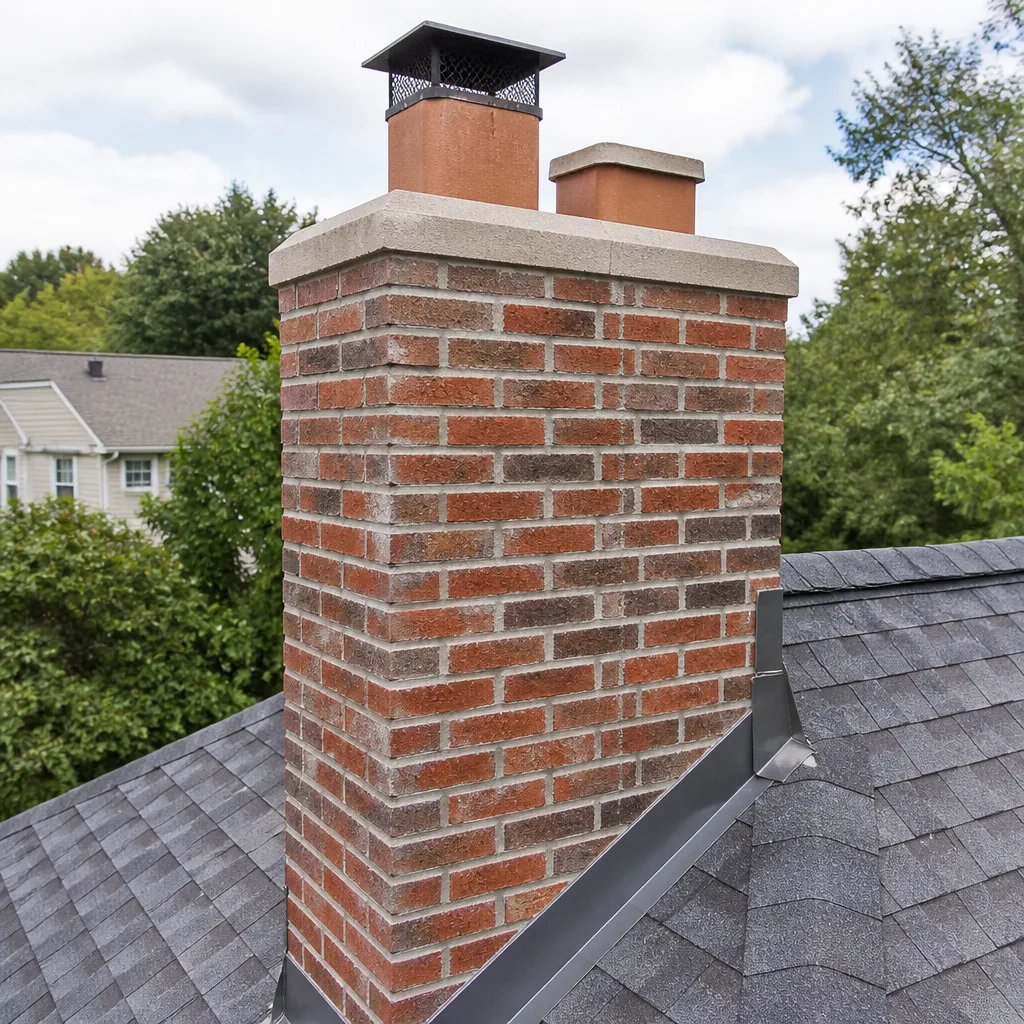 Masonry repair
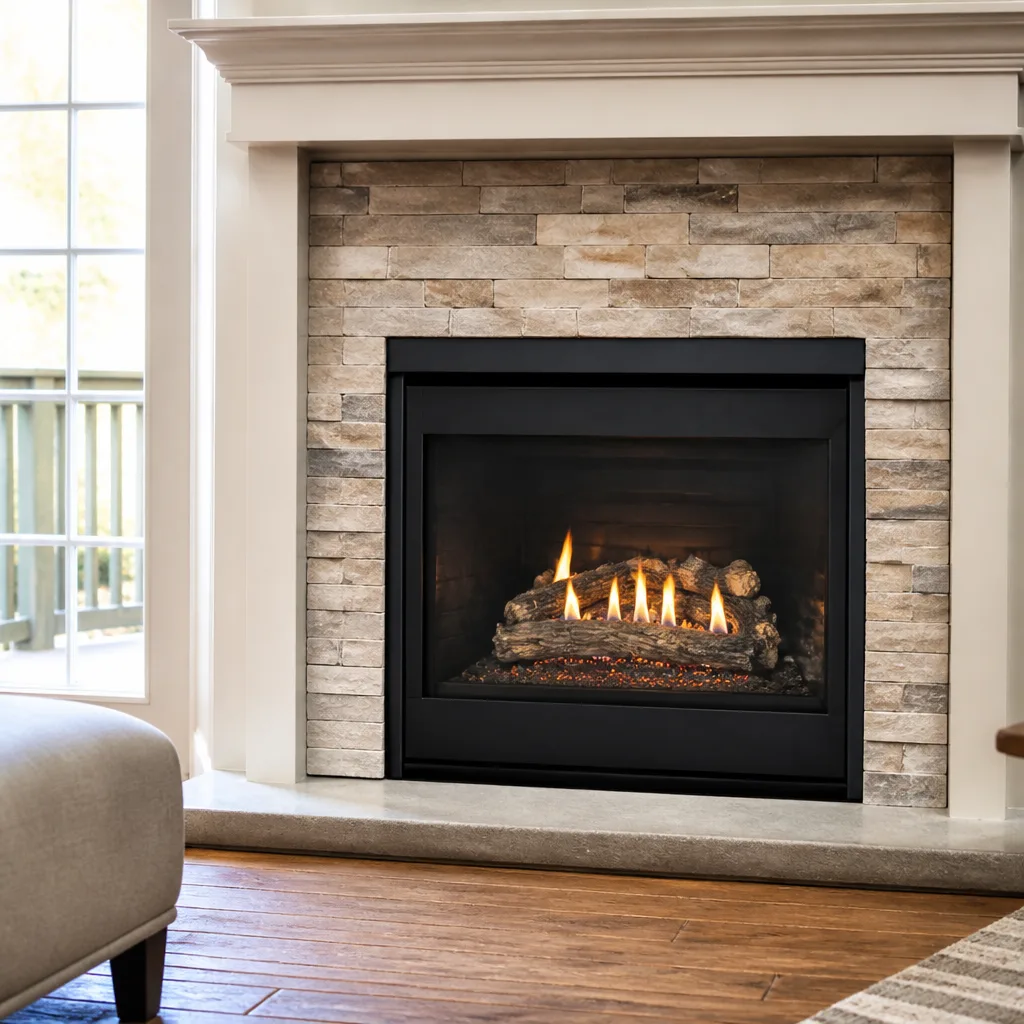 Gas fireplace service
Level 1 sweep and inspection to the NFPA 211 annual standard - flue, crown, cap, and flashing checked and photographed
Chimney sweep logs do not sweep chimneys. They loosen some creosote - which then falls where a brush and vacuum still have to collect it.
The Complete Guide to Chimney Cleaning in Pembroke Pines
Most chimney guides are written for homeowners in Ohio or Vermont who burn wood six months a year. If you’re in Pembroke Pines running a fireplace 20 nights a season, the risks, the cleaning intervals, and the inspection priorities are fundamentally different. Lower burn frequency means less creosote in many flues, but it also means longer idle periods, and idle chimneys in a humid subtropical climate take damage that hard-working northern chimneys never see. Moisture sits in the masonry. Animals move in. Small cracks widen quietly. This guide maps the full cleaning process through a South Florida lens, from what a genuine sweep actually involves to how you verify the work was done right, written from our vantage point as a specialist working in Pembroke Pines.
Quick Answer
Chimney cleaning in Pembroke Pines means removing soot, creosote, and debris from the flue while inspecting for moisture damage and animal intrusion that a humid climate accelerates. Most Pembroke Pines homes with moderate fireplace use need a sweep and inspection once a year, and every cleaning visit should include a camera inspection and documented findings before any repair is discussed.
Styles & brands we work with
- Sweep & inspection
- Caps & crowns
- Flue relining
- Masonry repair
- Gas fireplace service
Table of Contents
- Why Chimney Care in Pembroke Pines Is Different From Cold-Climate States
- Creosote in a Low-Use Chimney: The Stage 1 Problem
- How South Florida Humidity Attacks Mortar, Crowns, and Liners
- Animal Intrusion: The Idle-Chimney Problem
- How Often Should You Clean a Chimney in Pembroke Pines?
- What a Complete Cleaning Visit Actually Involves
- How to Verify the Cleaning Was Done Properly
- What Does Chimney Cleaning Cost in Pembroke Pines?
Why Chimney Care in Pembroke Pines Is Different From Cold-Climate States
A northern chimney burns hard all winter. The heat is consistent, the draft is strong, and creosote either burns off cleanly or builds in predictable layers. A Pembroke Pines chimney lives a different life. Winter here is a handful of cool evenings strung across December and January. The fireplace gets lit, burns for a few hours, and then sits cold for weeks. Warm humid air moves through the flue during the idle months, and every cool evening drops the flue temperature again.
That rhythm produces three specific problems that national guides rarely mention:
- Short, cool burns create soft creosote that never gets hot enough to fully burn off. The deposits stay in a state that’s easy to remove, but they accumulate faster per hour of burn than you’d expect.
- Long idle periods let moisture settle into the masonry. Humidity in Pembroke Pines is high through most of the year. Masonry that stays damp holds that dampness, and the freeze-free climate means it never dries out the way a northern chimney does in deep winter.
- Open chimneys become housing. An unused flue looks like a safe cavity to birds, squirrels, and the occasional raccoon. A northern chimney with a winter’s worth of use and heavy traffic is far less attractive than yours sitting quiet for ten months.
None of this is a reason to skip cleaning. It’s a reason to adjust the schedule and to prioritize inspection findings that a heavy-use household would never encounter. Our Monarch Chimney Sweep approach treats the seasonal rhythm here as the baseline, not a corner case.
Creosote in a Low-Use Chimney: The Stage 1 Problem
Creosote forms in three recognizable stages. Stage 1 is soft, flaky, and looks like soot with a crust. Stage 2 is harder and somewhat sticky. Stage 3 is glazed, shiny, and essentially a hard ceramic shell bonded to the flue wall. In our work on Pembroke Pines flues, the deposits we most often encounter fall into Stage 1 with some Stage 2 spots where the draft is weak. That sounds easier than the northern picture, and in a limited sense it is. But the layering rhythm matters more than the chemistry.
Here’s why. A northern chimney burning hot wood daily will push temperatures high enough that some deposits burn off between cleanings. Yours won’t. A short evening fire on a cool January night in Pembroke Pines rarely gets the flue hot enough to self-clean the way a fire in a cold climate does. Every short burn adds a thin layer, and those layers build in the same spot: usually just above the damper and at the smoke chamber where the flue narrows.
What this means for you:
- Even if you’ve burned only a cord or two of wood this season, you can have a meaningful creosote layer sitting in the smoke chamber.
- Wood quality compounds the problem. Unseasoned or damp wood burns cool, which produces more of the soft depositing creosote.
- The deposits are soft enough that a routine sweep removes them cleanly. They just accumulate where a northern burn pattern would have burned them off.
Stage 3 glazing is less common in Pembroke Pines than in heavy-burning climates, but it does occur, usually in a flue that has been closed off and used hard without a sweep. If we find glazing, standard brushing isn’t enough and the flue needs more than a sweep. That’s a finding to document, not a surprise to bill for.
How South Florida Humidity Attacks Mortar, Crowns, and Liners
Humidity is the quiet problem in Pembroke Pines chimney care. Every time a fire burns, water vapor rises with the smoke. When the fire is out, the flue cools and that moisture condenses on the interior walls. In a heating climate, the next fire drives it off quickly. In Pembroke Pines, the flue may sit at ambient temperature for days or weeks, and ambient temperature here is warm and wet. The moisture doesn’t just sit as condensation; it works into the mortar joints between the flue tiles and into the porous surface of the masonry itself.
What that produces over time:
- Mortar joint erosion. The mortar between flue tiles is the softest part of the flue assembly. Repeated wetting and drying weakens it, and once it starts to crumble the tiles can shift.
- Crown cracking. The concrete crown at the top of the chimney takes direct rain and sun. Because the masonry underneath stays damp longer than in a dry climate, crown cracks widen and admit more water.
- Liner deterioration. Clay tile liners crack when the structure moves, and a cracked liner gives hot gases and carbon monoxide a path into the home. A camera inspection is how we confirm the liner’s actual state; a visual once-over from the firebox won’t tell you.
When we find a deteriorated liner that doesn’t require a full replacement, a specialist resurfacing system like HeatShield can restore the interior of the flue without a rebuild. When the liner has failed structurally, we install a DuraFlex liner system built for the flue’s actual dimensions. Both are professional-grade solutions, not patch products, and both depend on inspecting first so the fix matches the condition.
Animal Intrusion: The Idle-Chimney Problem
A northern chimney sees activity for six months and sits dormant for six. A Pembroke Pines chimney sits dormant for ten. That window is long enough that a squirrel, bird, or raccoon can establish a nest, rear a litter, and be gone before the next burn. What’s left behind is a problem you find out about on the first cool evening when the fire won’t draft.
Animal intrusion is more than an inconvenience. Nests block the flue. Feathers, droppings and leaf litter become fuel waiting for a stray ember. A bird that gets trapped and dies in the flue leaves a smell that the flue lining absorbs, sometimes permanently. A missing or damaged cap is the primary entry point, and it’s also one of the most common findings on a Pembroke Pines inspection.
What a proper cap does, and what to look for when you’re evaluating one:
- It closes the top of the flue against weather and animals without blocking the draft.
- It’s sized to the flue, not clamped on as an aftermarket universal part.
- It’s built from material that won’t rust through in a humid climate.
Gelco and Copperfield components are the standard-grade caps and venting hardware we specify for this work. A universal hardware-store cap is the wrong answer in a place where humidity accelerates corrosion. The right cap is one of the cheapest protective measures you can take and the one most often skipped.
How Often Should You Clean a Chimney in Pembroke Pines?
Once a year is the working standard for any Pembroke Pines home that actually uses its fireplace, insert, or wood stove, and it’s also the right cadence for gas appliances that need their venting checked. The reasoning isn’t about volume of creosote; it’s about catching moisture damage and intrusion early, before a small problem becomes a structural repair.
Adjust the schedule in these cases:
- Burning more than three cords of wood a season. That’s a heavy-use pattern in this climate, and creosote accumulation accelerates.
- Burning unseasoned or green wood. Damp wood deposits more creosote and burns cooler.
- Noticing draft problems. Smoke backing into the room is a symptom, not a mood. It usually points to a blockage, a width issue, or a damaged flue tile.
- A property that sat vacant for a season. Vacant homes are targets for bird and squirrel intrusion, and the flue may hold debris.
- After any chimney fire. Even a small flare-up can crack a clay tile. A camera inspection is non-negotiable after a chimney fire.
If the firebox smells smoky when the fireplace is off, or if the interior of the flue shows a shiny glaze, don’t wait for the annual visit. Schedule a sweep and inspection, then decide together whether repair is warranted. The chimney sweep visit is not just a cleaning; it’s a diagnostic moment.
What a Complete Cleaning Visit Actually Involves
Here’s what a proper visit looks like from start to finish. This is the sequence we follow, and it’s the same sequence you should expect from any specialist working in Pembroke Pines.
- Pre-inspection walkthrough. We check the firebox, damper, smoke chamber, hearth, and the exterior chimney from the roofline. Nothing gets brushed before we know what we’re working with.
- Camera inspection. A flue camera goes down from the top or up from the firebox. We photograph the inside of the flue tile, the joints, the smoke chamber, and any cracks, gaps, or obstructions. Documented findings, not guesses.
- Fireplace and hearth protection. Drop cloths and a sealed work area so no soot migrates into the room.
- Brush grade selection. Different flue diameters and liner materials need different brush grades. A too-stiff brush scours a flexible liner; too soft a brush leaves Stage 1 deposits in the corners of a masonry flue. The brush is chosen after the camera tells us what’s there.
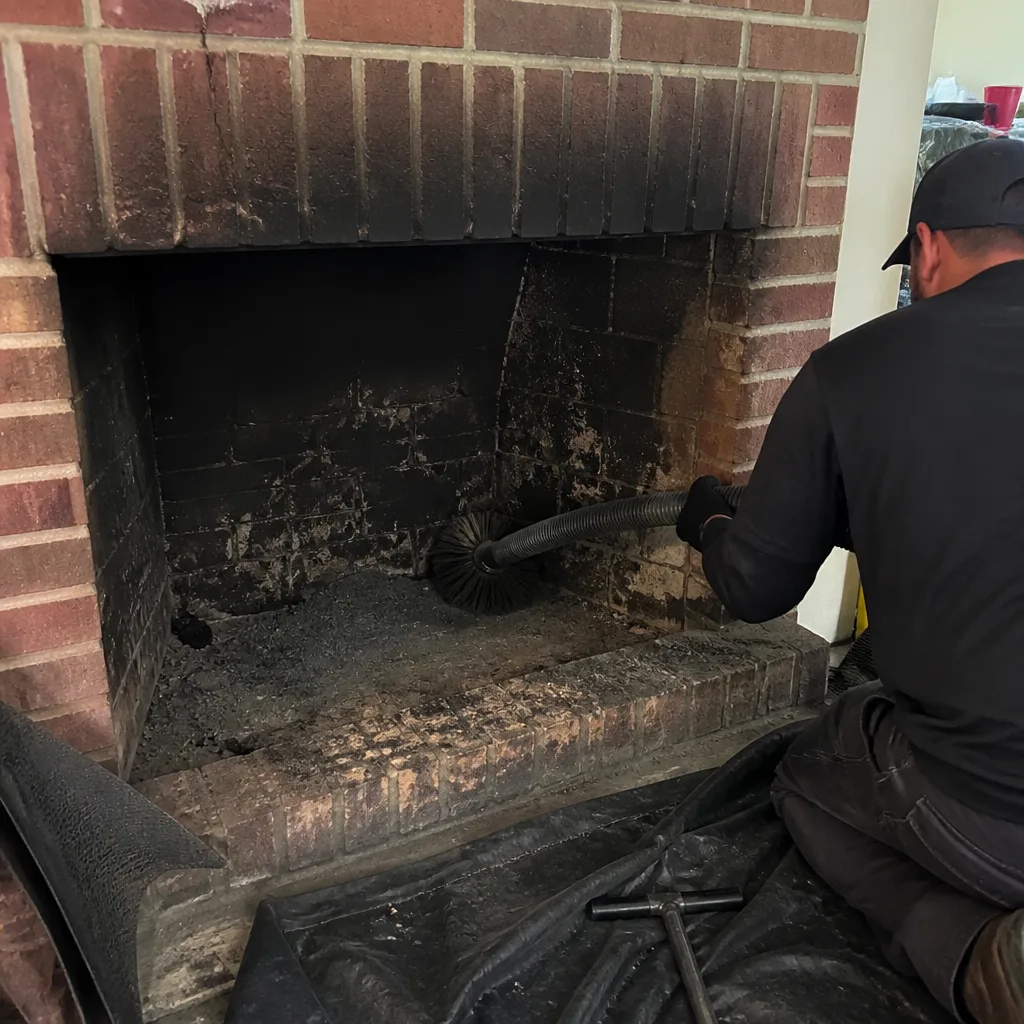
- Bristle sweep through the flue. The sweep runs from top to bottom or bottom to top depending on flue configuration. The goal is mechanical removal of soft creosote and soot, followed by a second pass in the smoke chamber where deposits gather.
- Smoke chamber and damper cleanout. The smoke chamber is where most Pembroke Pines flues carry the bulk of their creosote. It’s also the part amateur cleanouts skip. It gets brushed and vacuumed on this visit.
- Vacuum and cleanup. We use a high-efficiency vacuum system, not a shop vac. The room should be as clean after we leave as before.
- Post-inspection report. You see the photos. Any repair findings are documented on paper before we discuss them. That’s our “inspect first, recommend second” standard.
How to Verify the Cleaning Was Done Properly
A professional sweep leaves evidence. If you can’t see the evidence, the work is unverified, regardless of how long the technician was in the room. Here’s what to expect on a legitimate visit and what to question if it’s missing.
The documented deliverables:
- Camera photos of the flue before and after. Not a verbal “it looks good,” but images of the smoke chamber and flue wall that show what changed.
- A written inspection report. A form-based summary of what the camera found and what the sweep removed.
- A stated amount of soot and creosote removed. Not a precise measurement, but a plain description of what was found and where it was located.
- A clear recommendation on whether work can wait. A good sweep will tell you the fireplace is safe to use as-is if it is. The pressure to buy more happens when the reporting isn’t documented.
- Disclosure of the flue type and liner condition. Clay tile, metal liner, or a liner that’s already compromised. That determination should be shown, not asserted.
What should trigger a follow-up question: an inspection that stays in the firebox and never goes up the flue with a camera. A sweep that finishes in fifteen minutes without the smoke chamber getting worked. A recommendation for a full liner replacement with no photo evidence. Any of those should make you ask for the report before approving work. Our whole approach exists to eliminate that ambiguity; see chimney repair for how a repair recommendation should be documented. The same standard applies.
What Does Chimney Cleaning Cost in Pembroke Pines?
Pricing a chimney cleaning depends on the flue’s condition, not just its length. A clean, straight flue on a working fireplace costs less to service than a flue that’s been sitting unused for several years and needs animal debris removed, a camera inspection documented, and a cap installed. Here’s a typical range of line items you’ll encounter in the Pembroke Pines market, though every job is priced by a written estimate after inspection.
- Standard chimney sweep (single flue, accessible): $150 to $300
- Sweep with camera inspection and written report: $200 to $375
- Animal nest removal and flue debris clearing: $100 to $300 additional, depending on obstruction depth
- Cap installation with a Copperfield or Gelco component: $150 to $350 depending on flue size and cap type
- Damper repair or replacement: $200 to $450 depending on the damper design
- HeatShield flue resurfacing (repair, not cleaning): $800 to $1,800 depending on flue length
- DuraFlex liner installation (repair, not cleaning): $2,000 to $5,000 depending on flue height and liner diameter
Those ranges are estimates, not quotes. Your written estimate after the inspection sets the final price. The most common way homeowners overspend on chimney work is by approving a liner replacement before the flue has actually been inspected by camera. We don’t do that, and you shouldn’t let another company do it to you. If the flue is safe as it stands, we say so, and we tell you whether anything can wait until next season.
Common Mistakes to Avoid
- Assuming a low-use fireplace doesn’t need a sweep. A Pembroke Pines fireplace that burns 20 nights a season still accumulates Stage 1 creosote and can sit idle long enough for animal intrusion. Low use is not a substitute for annual inspection.
- Treating a visual once-over as an inspection. A flashing a light up the firebox is not an inspection. A camera goes into the flue, and the findings are documented. Accept nothing less.
- Skipping the cap because the chimney “looks fine.” A missing or rusted cap is the most common cause of animal intrusion in Pembroke Pines, and it’s one of the cheapest problems to prevent. Hardware-store substitutes don’t hold up in this humidity.
- Approving a liner replacement without camera evidence. If the recommendation isn’t backed by photos of the actual flue, ask to see them. A flue that photographs clean shouldn’t be re-lined.
- Burning unseasoned wood to “use up the pile.” Green wood burns cool and deposits more creosote per hour, and this is the creosote that stays in a low-use flue because the burn never gets hot enough to clear it.
- Ignoring the smoke chamber. Most amateur cleanouts focus on the firebox and the flue but skip the smoke chamber, which is exactly where the deposits sit. A sweep that doesn’t work the chamber isn’t a complete sweep.
- Calling a general handyman for a chimney problem. Chimney work touches life-safety systems: creosote ignition, carbon monoxide, structural liner failure. It needs a specialist who knows the materials and the inspection standards.
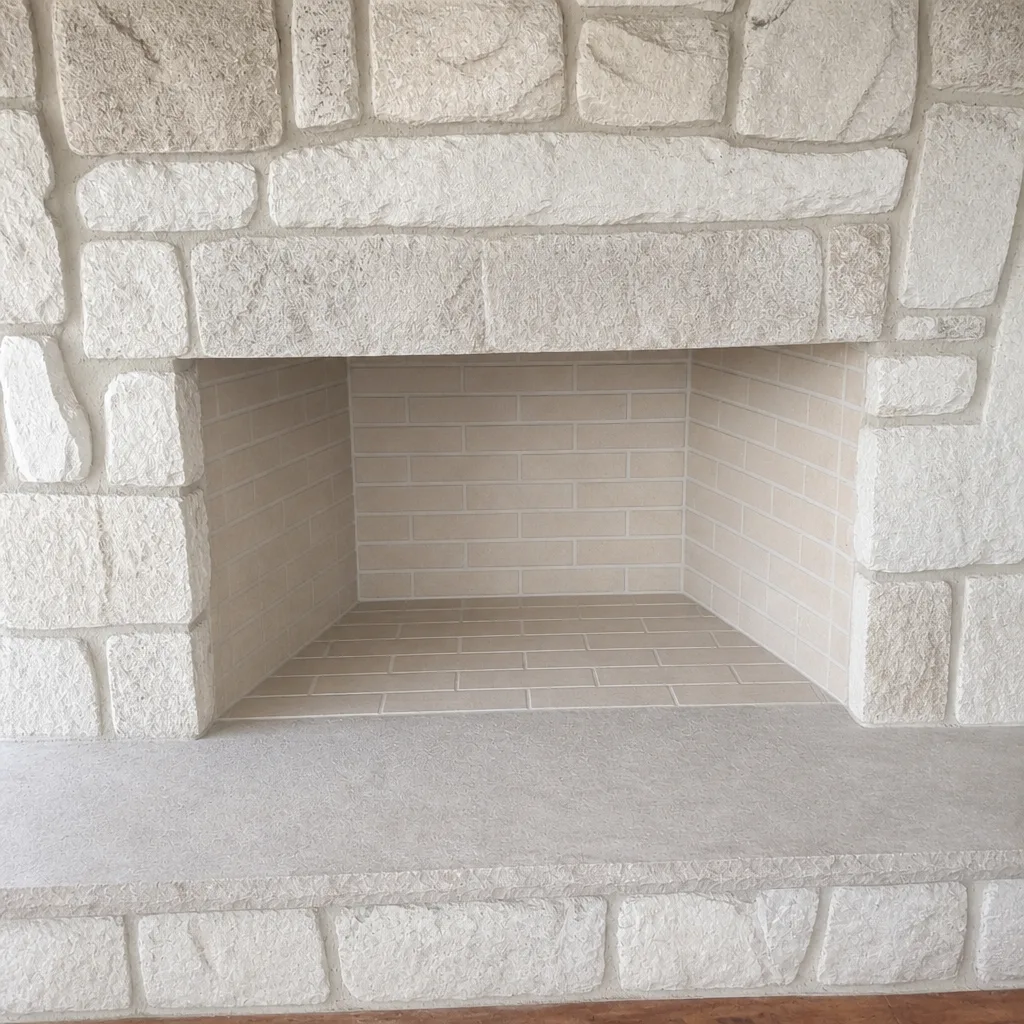
See the difference
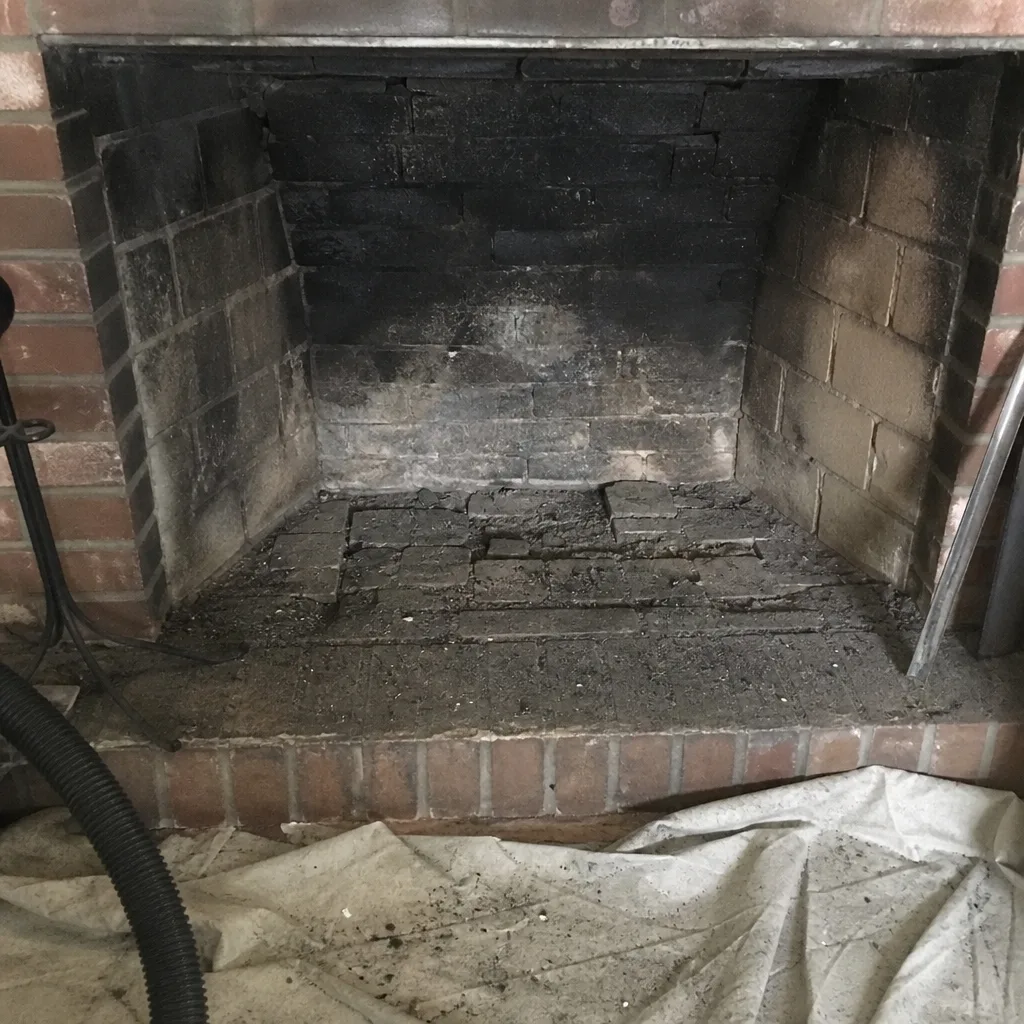 Before
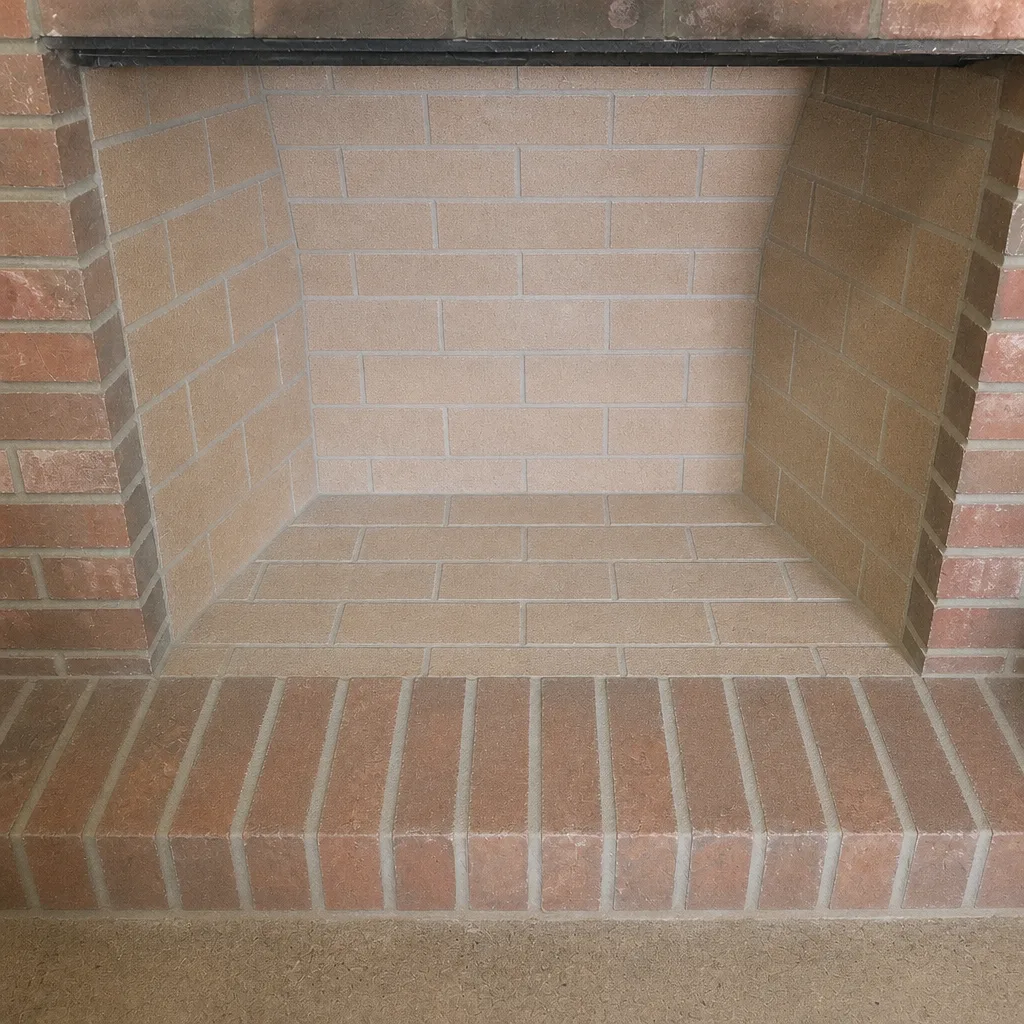 After
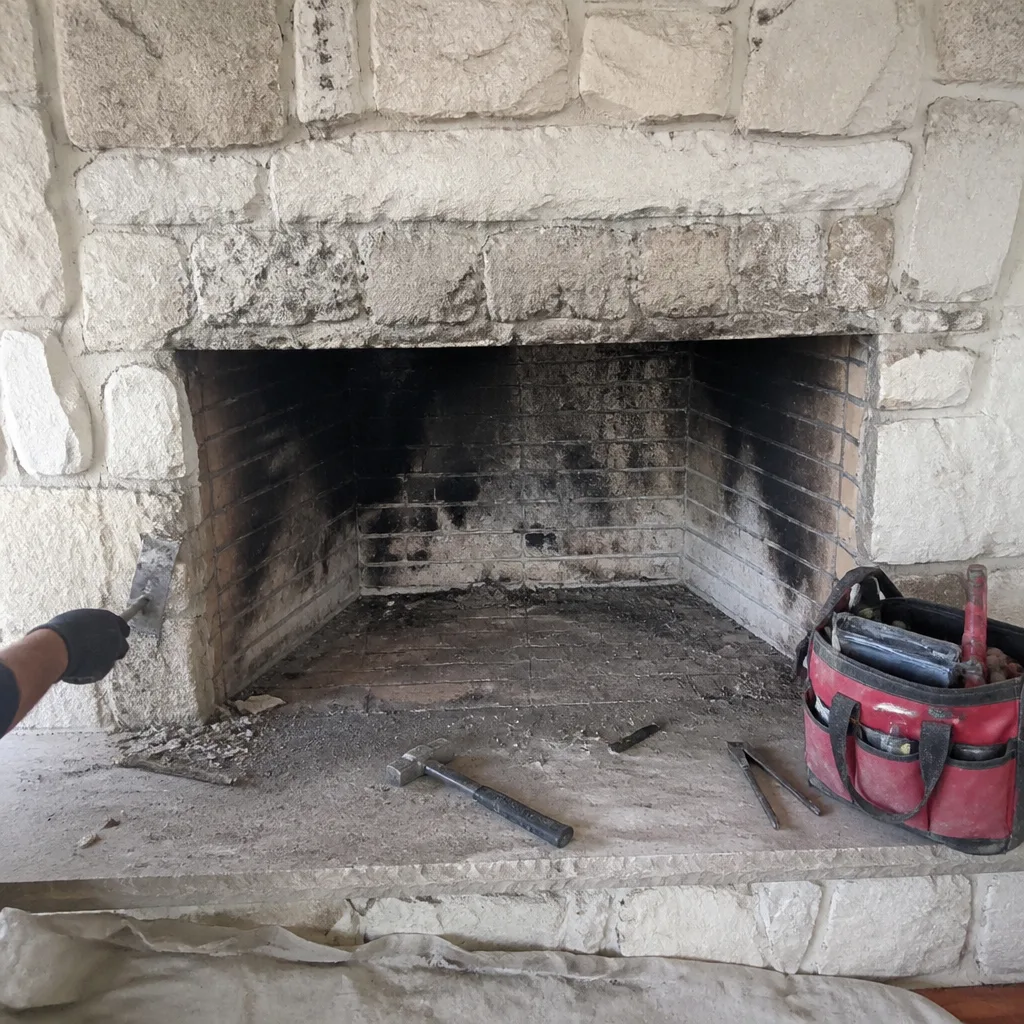 Before
 After
 Before
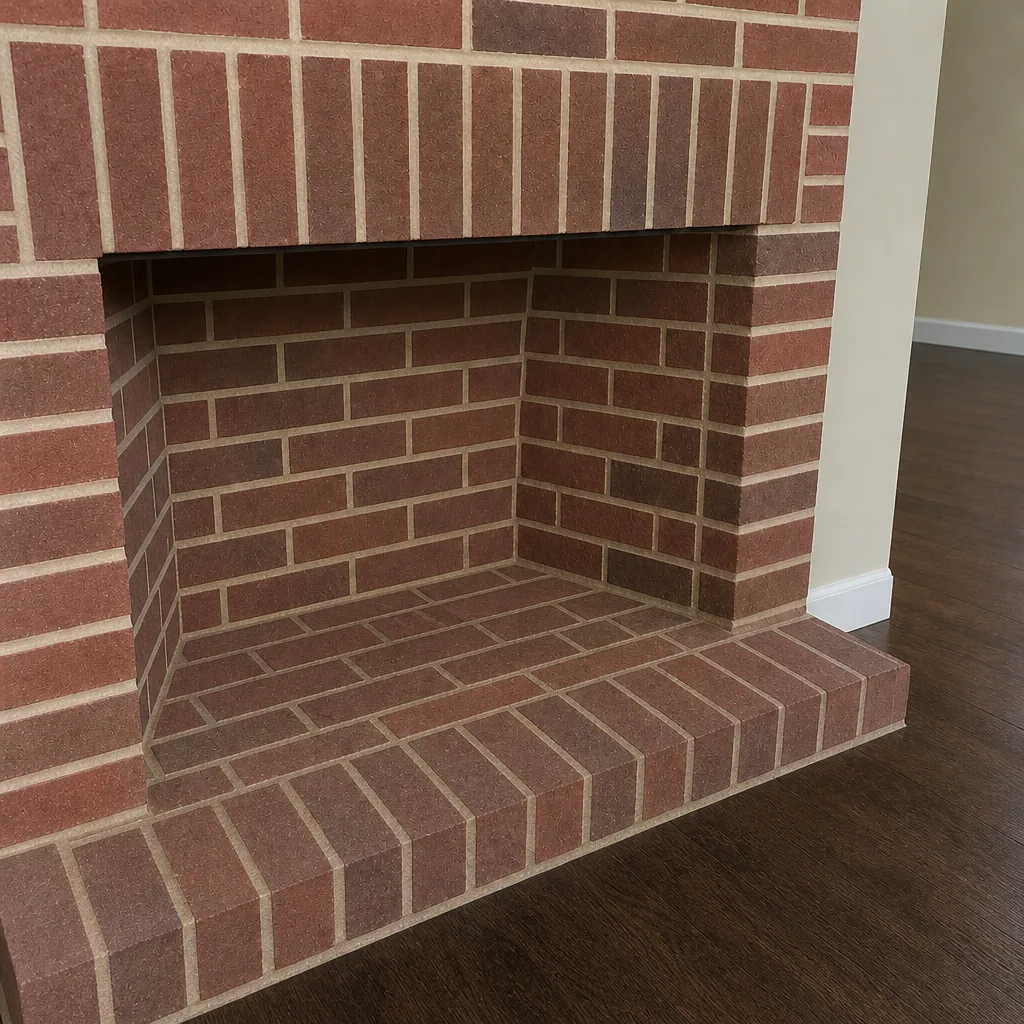 After
When to Call a Professional
Call a chimney specialist when any of the following applies: smoke enters the room when you light the fireplace, the firebox smells smoky when the fireplace is off, the flue shows a shiny glaze, the fire burned unusually fast and hot (a possible chimney fire), the cap is missing or damaged, an animal has been seen or heard in the flue, or it has been more than a year since the last inspection. Also call a specialist before you buy a home with a fireplace whose history you don’t know. A camera inspection is the only way to know whether a liner is intact, and no inspection is complete without documented photos. Monarch Chimney Sweep offers free estimates in Pembroke Pines. Call (855) 701-1714. We answer 24/7. Fast dispatch from 7am to 7pm, Sunday through Friday.
Frequently Asked Questions
A standard chimney sweep in Pembroke Pines typically runs $150 to $300, and a sweep that includes a camera inspection and written report ranges from $200 to $375. Line items like cap installation, animal debris removal, or damper repair are quoted separately based on what the inspection finds. Call (855) 701-1714 for an exact quote; estimates are free.
Only if the flue’s camera inspection shows the liner is compromised, and you should see the photos yourself before approving the work. A cracked clay tile, eroded mortar joints between tiles, or a failed flexible section are all conditions that call for re-lining, usually with a DuraFlex system. If the flue photographs intact, it doesn’t need a liner, and a company that recommends one without evidence should be asked to show the report. Call (855) 701-1714 with the findings and we’ll walk you through them.
Once a year for any home that uses its fireplace, insert, or wood stove, and once a year for gas appliances to verify venting. Heavy burners, households burning unseasoned wood, and chimney owners whose home sat vacant for a season should be inspected sooner. The annual cadence is what catches moisture damage and intrusion before they become repairs. Call (855) 701-1714 to schedule an inspection.
Two risks compound. The first is creosote accumulation: soft Stage 1 deposits are low-risk, but if the flue goes long enough without a sweep, deposits can reach a stage where a stray ember ignites them and a chimney fire follows. The second is moisture damage: in Pembroke Pines humidity, mortar joints erode and crowns crack quietly, and a small repair becomes a bigger one. Skipping a year usually doesn’t produce immediate danger; skipping several years on a damp, unused flue may. Call (855) 701-1714 for an inspection before next burn season.
Sweeping a flue cleanly, safely, and completely, with proper smoke chamber work and a documented camera inspection, is beyond what a homeowner can reasonably do. The dangerous parts of a chimney (roof access, flue inspection, carbon monoxide pathways) are exactly the parts that require a trained specialist. What you can do yourself: check the cap for obvious damage, keep the firebox clean of ash, and get a camera inspection when you’re uncertain.
Have it inspected before you light a fire. A flue that has been idle for a full year is the most likely candidate for animal intrusion, nest blockage, or a cracked liner that a routine cleaning might miss. A camera inspection with photos is the standard, and it’s the first thing we do. Call (855) 701-1714 to schedule.
The Bottom Line
Chimney cleaning in Pembroke Pines is not the same job it is in a cold-climate state. Lower burn frequency and high humidity mean fewer heavy creosote problems and more moisture and intrusion problems. The annual sweep still matters, but so does the camera inspection and the written report that come with it. The two things that separate a real sweep from a quick brush-and-go are documented evidence and a specialist who inspects first and recommends second. If the flue is safe, we say so. If it needs work, you’ll see the photos before you approve anything. Written by the team at Monarch Chimney Sweep.
Written by the team at Monarch Chimney Sweep.