
Last updated November 15, 2026
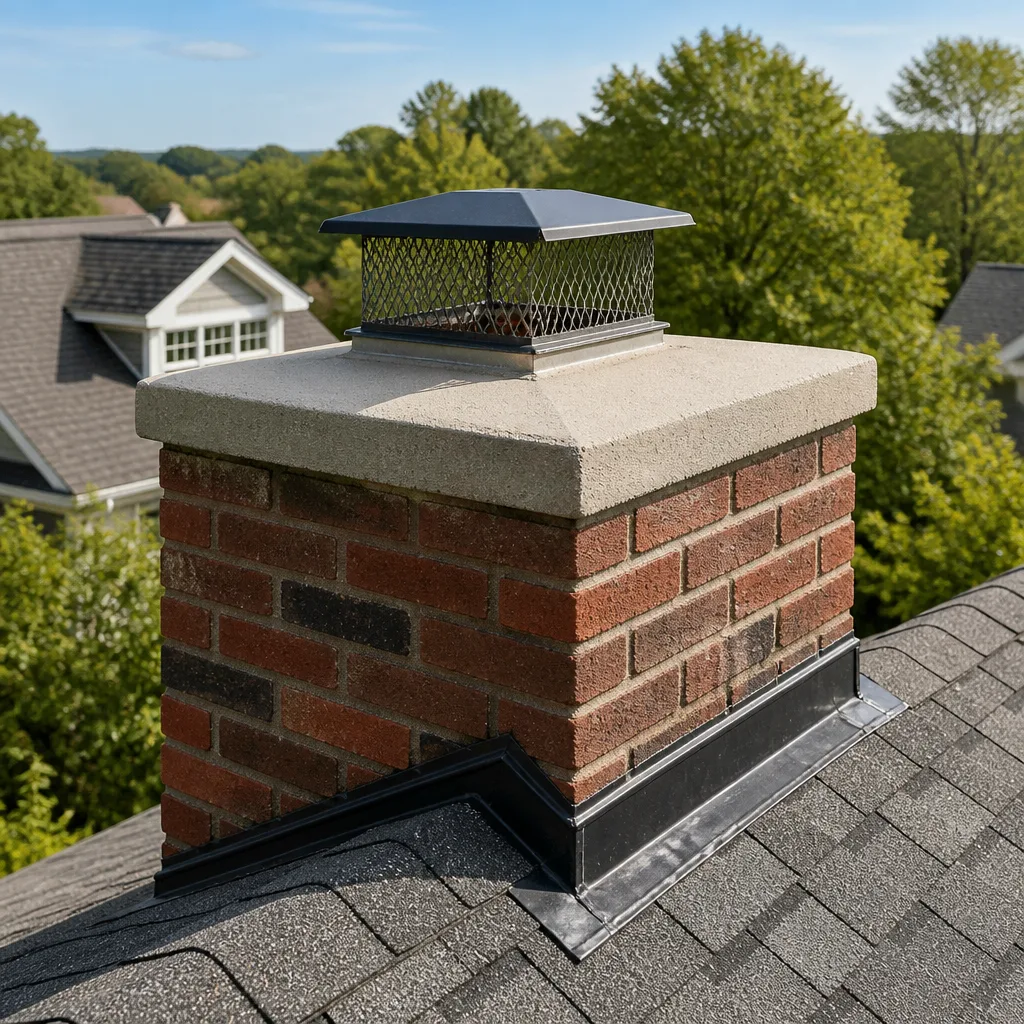 Sweep & inspection
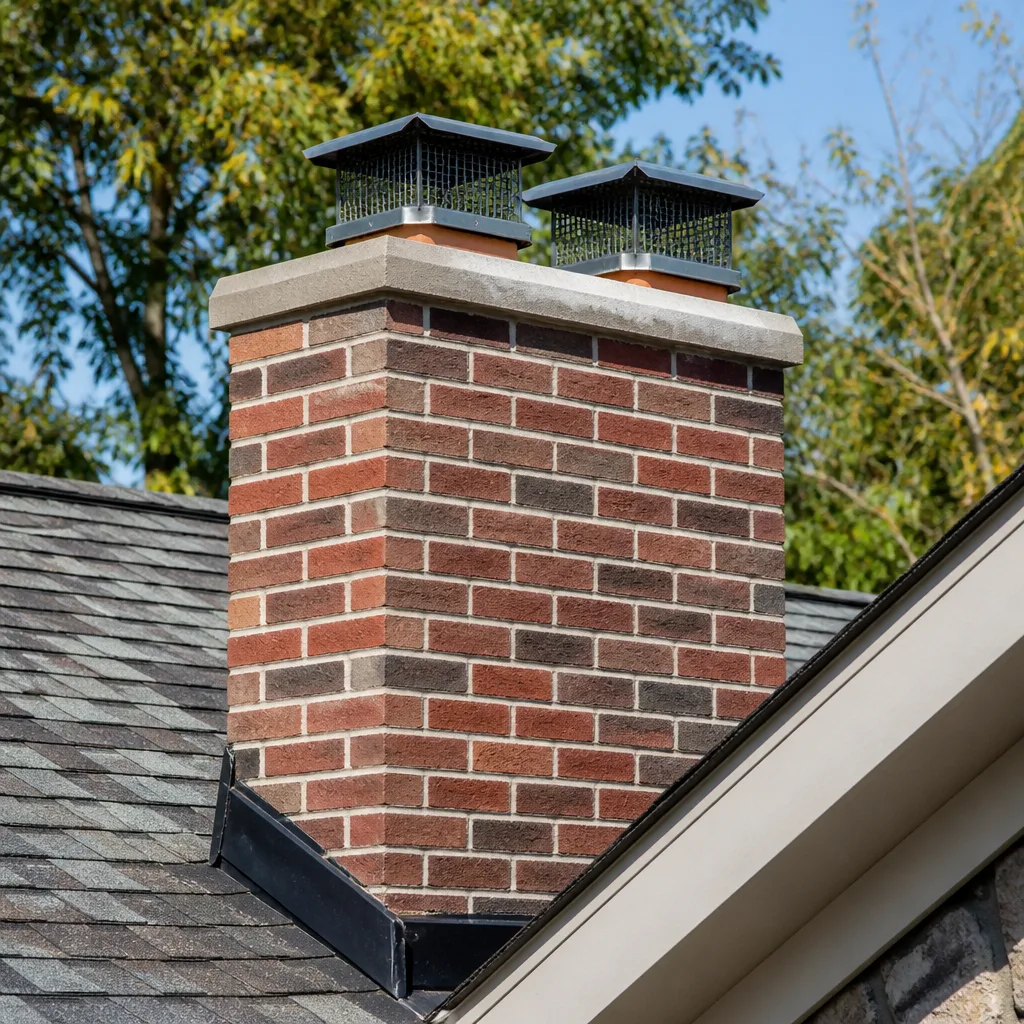 Caps & crowns
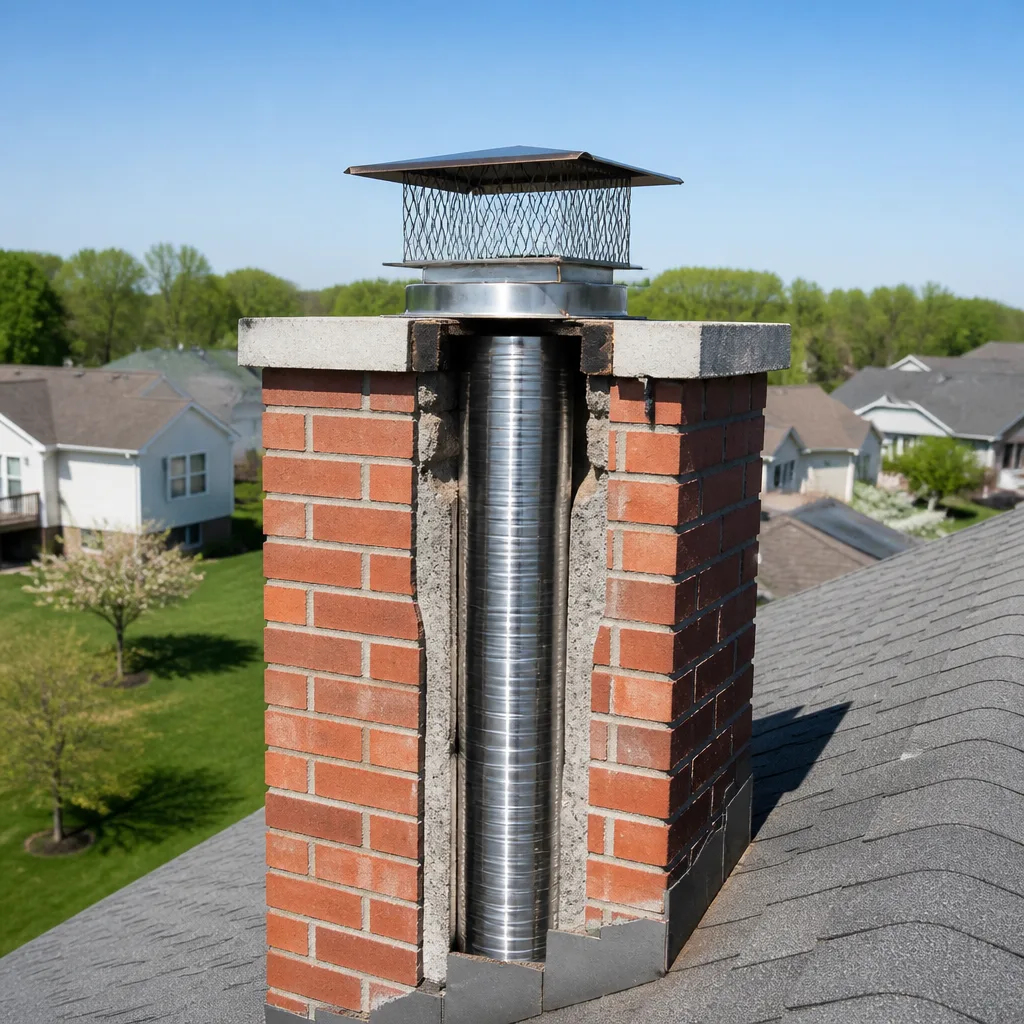 Flue relining
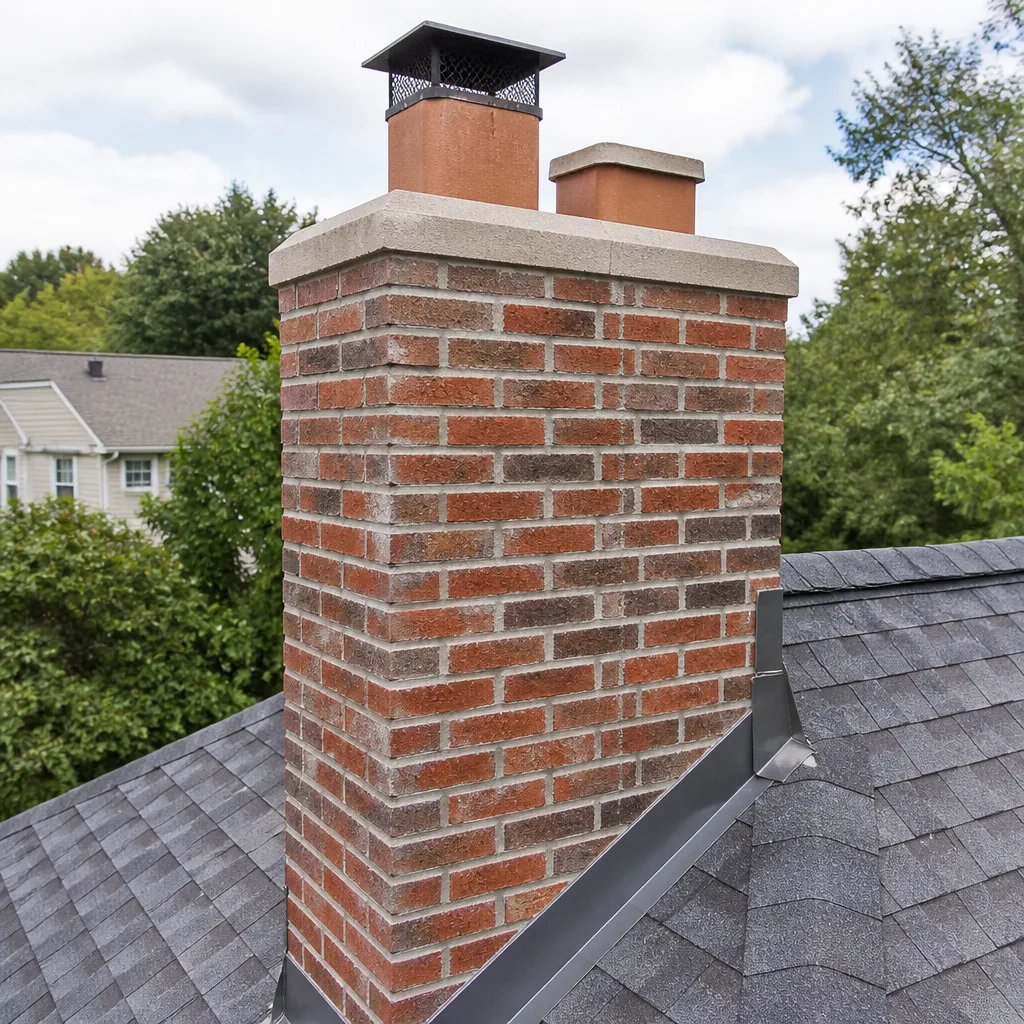 Masonry repair
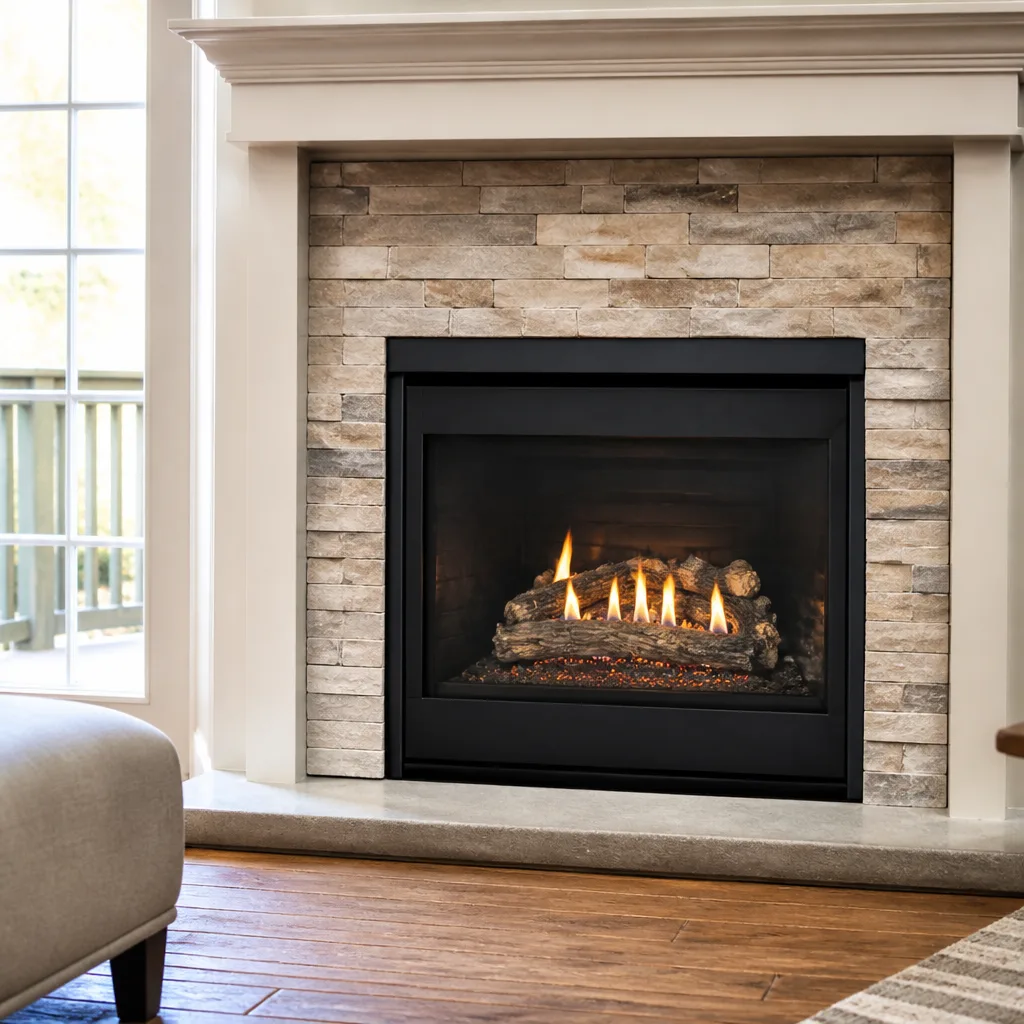 Gas fireplace service
Level 1 sweep and inspection to the NFPA 211 annual standard - flue, crown, cap, and flashing checked and photographed
Chimney sweep logs do not sweep chimneys. They loosen some creosote - which then falls where a brush and vacuum still have to collect it.
How to Hire a Chimney Cleaning Contractor in Pembroke Pines: A Step-by-Step Guide
There is no Florida state license specifically for chimney sweeps, which means anyone with a truck and a brush can legally offer the service, and many do. That fact surprises most homeowners in Pembroke Pines, who reasonably assume the person cleaning a life-safety system had to prove some baseline of competence. No such requirement exists. So the burden of screening falls on you, the homeowner, and it’s a burden worth carrying. A proper sweep protects your family from chimney fire and carbon monoxide exposure; a cursory wipe-down leaves those hazards in place while handing you a paper receipt. This guide walks through exactly what to verify, what to ask, and which answers should make you book someone else.
Quick Answer
To hire a chimney cleaning contractor in Pembroke Pines, verify certification through the Chimney Safety Institute of America (CSIA) and National Fireplace Institute (NFI), confirm current liability insurance, ask whether the company includes a camera inspection with a written report, and get a written scope of work before anyone starts. A legitimate contractor documents what they find before recommending repairs; one who quotes a flat price over the phone with no inspection is guessing. If a contractor can’t answer specific questions about your flue liner, your venting configuration, or how South Florida’s humidity affects your chimney, keep looking.
Styles & brands we work with
- Sweep & inspection
- Caps & crowns
- Flue relining
- Masonry repair
- Gas fireplace service
Table of Contents
- Why Screening a Chimney Contractor Matters More in Pembroke Pines Than Most Homeowners Realize
- What Certifications Actually Matter: CSIA, NFI, and the “Certified” Claims That Don’t
- Five Interview Questions That Reveal Whether a Contractor Understands South Florida Conditions
- What a Legitimate Estimate Includes (and What a Flat Quote Skips)
- Red Flags Specific to the Pembroke Pines Market
- How to Verify Credentials Independently Before the Appointment
- What a Real Sweep and Inspection Looks Like, Step by Step
- Why Material Quality Should Influence Who You Hire
Why Screening a Chimney Contractor Matters More in Pembroke Pines Than Most Homeowners Realize
Pembroke Pines is a city where chimneys are used lightly and infrequently, which sounds like good news but isn’t entirely. A fireplace used a few times each winter builds creosote slowly, and slow accumulation is easy to ignore. The problem is that creosote is flammable at any depth beyond a thin glaze, and a chimney that hasn’t been inspected in several years can hold more than you’d guess.
There’s a second factor specific to this climate. South Florida’s humidity and warm-season moisture work on chimneys from the outside in. Masonry absorbs moisture, and repeated wet-and-dry cycling over years weakens mortar joints and flue liners in ways a flashlight from the firebox won’t reveal. A homeowner in Pembroke Pines who hires a contractor doing a quick visual sweep gets none of this checked. The technician brushes the flue, glances at the firebox, and is gone.
Chimney sweeps in this market fall into two broad categories. There are dedicated chimney specialists who work with professional-grade liners and resurfacing compounds, and there are general handymen who added chimney sweeping to a list of services. Both may have a brush and a vacuum. The difference shows in what happens when the inspection turns up a cracked flue tile or a failed liner. A specialist can diagnose and repair the full system. The generalist refers the repair out, or worse, doesn’t catch it.
Hiring well in Pembroke Pines means hiring someone who treats your chimney as a system, not a duct. That’s the standard the rest of this guide is built around. If you want to see how a specialist approaches it, Monarch Chimney Sweep structures every visit as inspect first, recommend second.
What Certifications Actually Matter: CSIA, NFI, and the “Certified” Claims That Don’t
Two credentials are worth your attention: CSIA certification and NFI certification. Everything else you see on a business card, van, or website is worth asking about specifically because many chimney companies describe themselves as “certified” without saying certified by whom or for what.
CSIA stands for the Chimney Safety Institute of America. A CSIA-certified sweep has passed a proctored exam covering chimney science, venting, and inspection standards, and must recertify periodically. It’s the credential the industry treats as the baseline for chimney sweeping and inspection work. NFI, the National Fireplace Institute, certifies technicians in specific fuel categories: wood, gas, and pellet. If your Pembroke Pines home has a gas fireplace or a wood-burning insert, an NFI certification in that category tells you the technician understands that appliance’s venting requirements, not just general masonry.
Here’s where screening gets sharper. When a contractor tells you they’re “certified,” ask these follow-ups:
- Certified by which organization, and in what category?
- Can you give me the certificate number so I can verify it?
- Does your certification cover inspection as well as sweeping?
- Are you certified for gas appliance venting, or only wood?
A contractor with real credentials answers these in seconds. A contractor who padded a resume with a vendor training certificate or a self-issued “certified chimney professional” badge usually can’t. That hesitation is your answer.
Also worth knowing: gas-burning appliances have their own venting concerns. A natural gas fireplace produces less visible soot than wood, but it still needs its venting examined for corrosion, blockage, and proper draft. A sweep certified only in wood sweeping may not have the training to assess a gas vent correctly, and in Pembroke Pines, where gas inserts and gas fireplaces are common in newer construction, that gap matters.
Five Interview Questions That Reveal Whether a Contractor Understands South Florida Conditions
A contractor working from a generic national script will pass a phone screening that only asks about price and availability. Ask questions that require local judgment instead. The answers reveal whether the person on the other end has actually thought about how chimneys behave in South Florida’s climate versus a cold-weather market.
- “How does the humidity here affect what you check on my chimney?” A specialist talks about moisture intrusion, masonry saturation, mortar joint condition, and how the absence of a proper cap lets water in year-round. Someone reading from a script talks about creosote and nothing else.
- “What’s the difference between a Level 1, Level 2, and Level 3 inspection, and which one does my job call for?” The National Fire Protection Association defines these inspection levels. A professional knows the distinction and can explain when a camera inspection (Level 2) is required, such as after a chimney fire, after a change in appliance, or when buying a home. Someone who doesn’t know the levels doesn’t inspect to a standard.
- “Will you use a camera, and will I see the footage and a written report?” A proper Level 2 inspection includes video of the flue interior. If the answer is a visual check with a flashlight, you’re not getting a real inspection.
- “What do you do about a damaged flue liner, and what materials do you use?” A specialist mentions specific products and systems. HeatShield resurfacing is one option for certain liner conditions; a flexible stainless liner is another. A contractor with real material knowledge can explain when each is appropriate. A generalist waves at the question.
- “Do you hold liability insurance, and can you send me a certificate of insurance before the appointment?” Anyone doing work on a roof or inside a chimney chase is exposing your home to risk if they’re uninsured. Ask before booking, not after.
The pattern in the answers is what matters. Specificity signals experience. Vague reassurance doesn’t. If you want to hear how those answers sound from a company that works them every day, Monarch Chimney Sweep is happy to take the questions by phone at (855) 701-1714.
What a Legitimate Estimate Includes (and What a Flat Quote Skips)
A legitimate chimney estimate follows an inspection. It isn’t something a contractor can give you accurately over the phone before seeing the inside of your flue. When you’re comparing contractors in Pembroke Pines, look for an estimate that includes:
- A camera inspection report. Photo or video documentation of the flue interior, the firebox, the damper, and the chimney cap and crown. This is the evidence base for any repair recommendation.
- A liner assessment. Written language about the condition of the flue liner, whether it’s clay tile, a prior stainless liner, or something else, and whether it’s intact.
- A written scope of work. Specific descriptions of what will be swept, what will be repaired, what materials will be used, and what the final cost covers.
- A flat price for the work agreed before the technician starts. Not an hourly rate, not a “starting at” number that grows on site.
- A clear note on what can wait. A good inspector tells you when a repair isn’t urgent. If every chimney gets a full rebuild recommendation, the diagnosis is sales, not inspection.
A flat quote with no documentation skips all of this. It might be $50 cheaper up front, but you have no record of the condition of your flue on the day of the visit, no way to compare recommendations over time, and no proof the work was actually done. For Pembroke Pines homeowners who plan to sell their home in the future, an inspection report from each visit becomes a useful record of maintenance history.
Compare estimates line by line. If one contractor’s estimate is dramatically lower, ask what’s excluded: the camera, the report, the cap check, the damper. The gap is usually in the parts of the job you can’t see.
Red Flags Specific to the Pembroke Pines Market
Some warning signs are universal. Others show up more often in this city because of how the market is built. Watch for these.
- Prices that are dramatically lower than everyone else’s. Chimney sweeping has real costs: equipment, training, insurance, and the time a proper inspection takes. A price that’s half of the going rate means something is being skipped. Usually it’s the inspection.
- No verifiable physical business address. A contractor who works entirely from a phone number and a PO box can’t easily be held accountable. Look for an address you can confirm, and check whether it’s a real business location or a virtual office.
- No liability insurance, or “we’ll get you a certificate after the work.” The certificate should come before the appointment. If a technician is hurt on your roof and the contractor isn’t insured, that’s a problem you inherited the moment they climbed up.
- “Certified” without the certifying body named. Covered in detail above, but it’s the most common soft claim in this market.
- Repair recommendations made without a camera inspection. If you hear “your liner is shot” before anyone has put a camera in the flue, the recommendation isn’t based on evidence. Push back or find a different contractor.
- High-pressure urgency. “Your chimney is dangerous, we need to do this now.” Real hazards get flagged with a written report and a scheduling conversation, not a same-hour decision on the roof.
- Quotes given purely by phone with no inspection first. No contractor can tell you what your chimney needs without seeing it.
None of these red flags means every contractor hitting one is a bad actor. But a contractor hitting several is telling you something about the level of care you’ll get. Trust the pattern.
How to Verify Credentials Independently Before the Appointment
Screening questions come first, but verification is what makes the answers trustworthy. A contractor can tell you they’re CSIA-certified; a two-minute check tells you whether that’s accurate. Do these before the truck pulls into your Pembroke Pines driveway.
- Look up the CSIA credential. The Chimney Safety Institute of America maintains a searchable database of certified professionals. Search by name and city; if the contractor claims certification, they should be listed.
- Check NFI certification for your appliance type. The National Fireplace Institute has a similar lookup. Confirm the certification matches your appliance: wood, gas, or pellet.
- Request a certificate of insurance. Liability insurance is the coverage that protects your home if something goes wrong. It should name a policy period that includes your appointment date. Ask for it in writing before the visit.
- Confirm the business location. Cross-reference the address on the estimate with the address on the company’s website and any listings. A mismatch is worth asking about.
- Check the name on the estimate. It should match the licensed, insured entity, not an individual technician operating under a different name.
This takes maybe ten minutes total. Against the cost of a missed liner defect or an uninsured fall from your roof, it’s time well spent. If you’re comparing multiple contractors, do the verification step for each one before scheduling. A company confident in its credentials will make verification easy. One that pushes back on the request is telling you something.
What a Real Sweep and Inspection Looks Like, Step by Step
Knowing what a proper visit looks like is the best defense against a rushed one. Here’s the sequence a real chimney sweep in Pembroke Pines should follow.
- Pre-appointment check of conditions. The technician confirms the appliance is off, that the firebox is cool, and that the area is safe to work in. Drop cloths go down before any equipment comes inside.
- Interior inspection first. Before sweeping, the technician examines the firebox, damper, smoke chamber, and lower flue with a light and camera. Some defects can only be seen before the flue is brushed clean.
- Sweeping with proper equipment. A rotary or traditional brush matched to the flue size, run through the chimney from top or bottom. A high-powered HEPA vacuum runs continuously to capture dust and soot.
- Exterior check. The roof-level components: chimney cap, crown, flashing at the roofline, and the brick or stucco at the stack. Missing caps let water and animals into flues, a common issue in South Florida.
- Camera inspection of the full flue. This is where liner cracks, gaps, and blockages show up. It’s the step that separates a real inspection from a brush-and-go.
- Written report and walkthrough with the homeowner. Findings and photos documented. Recommendations discussed. Repairs that can wait are identified as such.
If the visit you get doesn’t look like this, you’ve hired a sweep, not a specialist. The two aren’t the same.
Chimney repair belongs in the same conversation because repairs follow inspections. A technician who can’t explain what the chimney repair path looks like for your particular defect is working from a script.
Why Material Quality Should Influence Who You Hire
Ask what specific products a contractor uses for repairs. The answer tells you whether they’re thinking about lifespan or just getting the job off the books. In this trade, the material partners a contractor works with are a quality signal you can evaluate on the spot.
HeatShield resurfacing is a specialist process for restoring a deteriorating flue liner without full liner replacement. It’s not something you’ll find in a generalist’s toolkit, because it requires specific training and a specific compound formulation. For flexible liner systems, DuraFlex is a recognized name, and its systems are installed in both new installs and re-lining of masonry flues with damage. For caps and dampers, professional-grade components from Gelco and Famco are what chimney contractors specify, not the big-box hardware aisle versions that fail a few seasons in.
Why does this matter to a homeowner in Pembroke Pines screening contractors? Because a repair built with the wrong material fails early, and you’re back to the inspection stage. A cap that isn’t rated for the wind and rain patterns here lets water back in. A liner installed without proper specification develops problems within a few seasons. A contractor who names the brands and explains why they chose them is a contractor who has thought about material durability. One who waves at the question is guessing.
Material knowledge isn’t a gimmick. It’s a proxy for whether your contractor understands that a chimney is a long-lived system and the parts need to outlast the next warranty cycle.
Common Mistakes to Avoid
- Booking the cheapest quote without checking what’s included. In Pembroke Pines, the low bid is often a sweep-only visit with the inspection quietly dropped. Ask what’s in the price before you commit.
- Accepting a “certified” claim without verifying the certifying body. CSIA and NFI are the credentials worth checking. A vendor training certificate or self-issued certification doesn’t substitute for either.
- Letting a repair recommendation proceed without seeing the camera evidence. If the technician recommends liner work, ask to see the footage and read the written report before you authorize anything. A legitimate contractor will show you.
- Skipping the pre-appointment insurance check. Ask for the certificate of insurance before anyone climbs onto your roof. The cost of a fall from a height injury on your property isn’t something you want to negotiate later.
- Scheduling a sweep but not budgeting for the inspection. A brush-and-go visit doesn’t tell you whether the flue liner is intact. Budget for the full visit, which includes the camera inspection and the report.
- Ignoring a “you don’t need this yet” recommendation. If your inspector says a repair can wait, that’s a signal of an honest diagnosis, not a sales failure. Book the follow-up when the time comes and move on.
- Hiring without confirming the location. A contractor using a virtual address in Pembroke Pines may not have the local knowledge for how chimneys here behave. Confirm the business address matches a real operation.
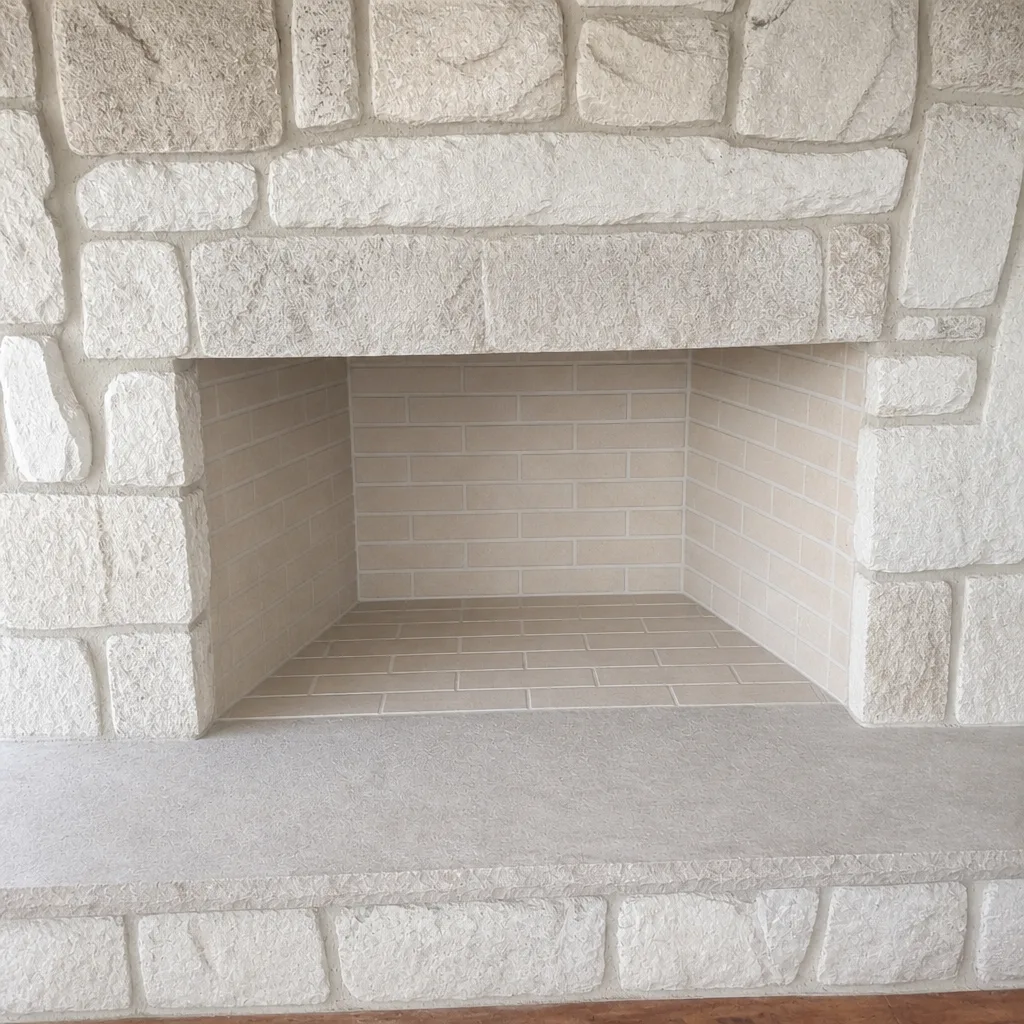
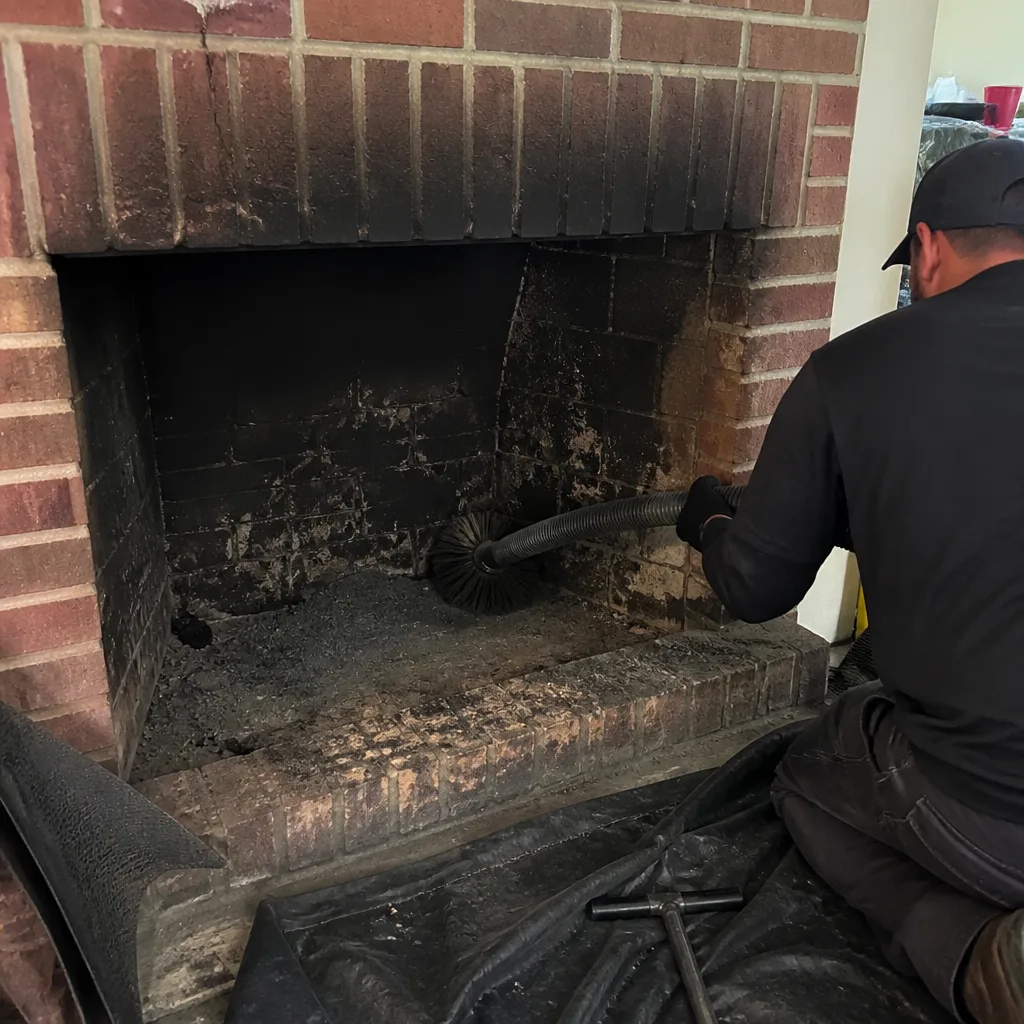
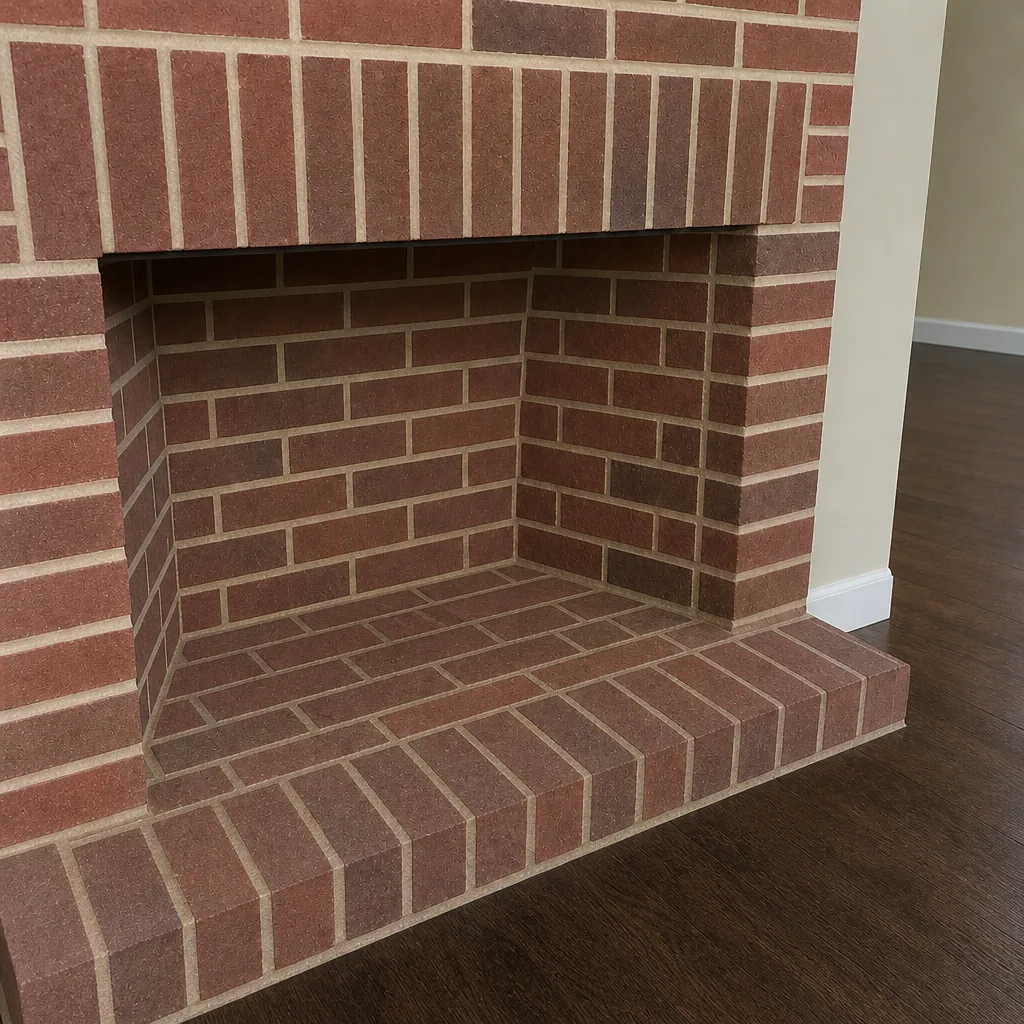
See the difference
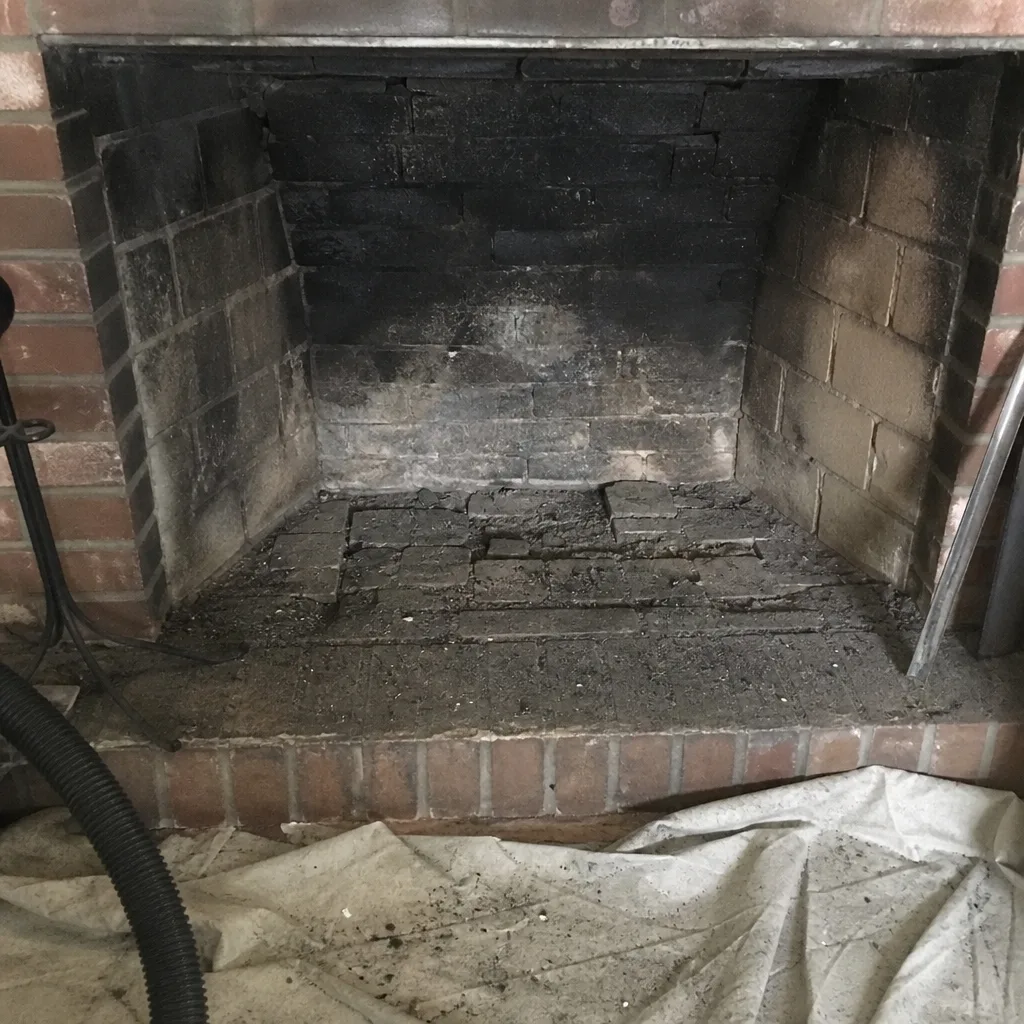 Before
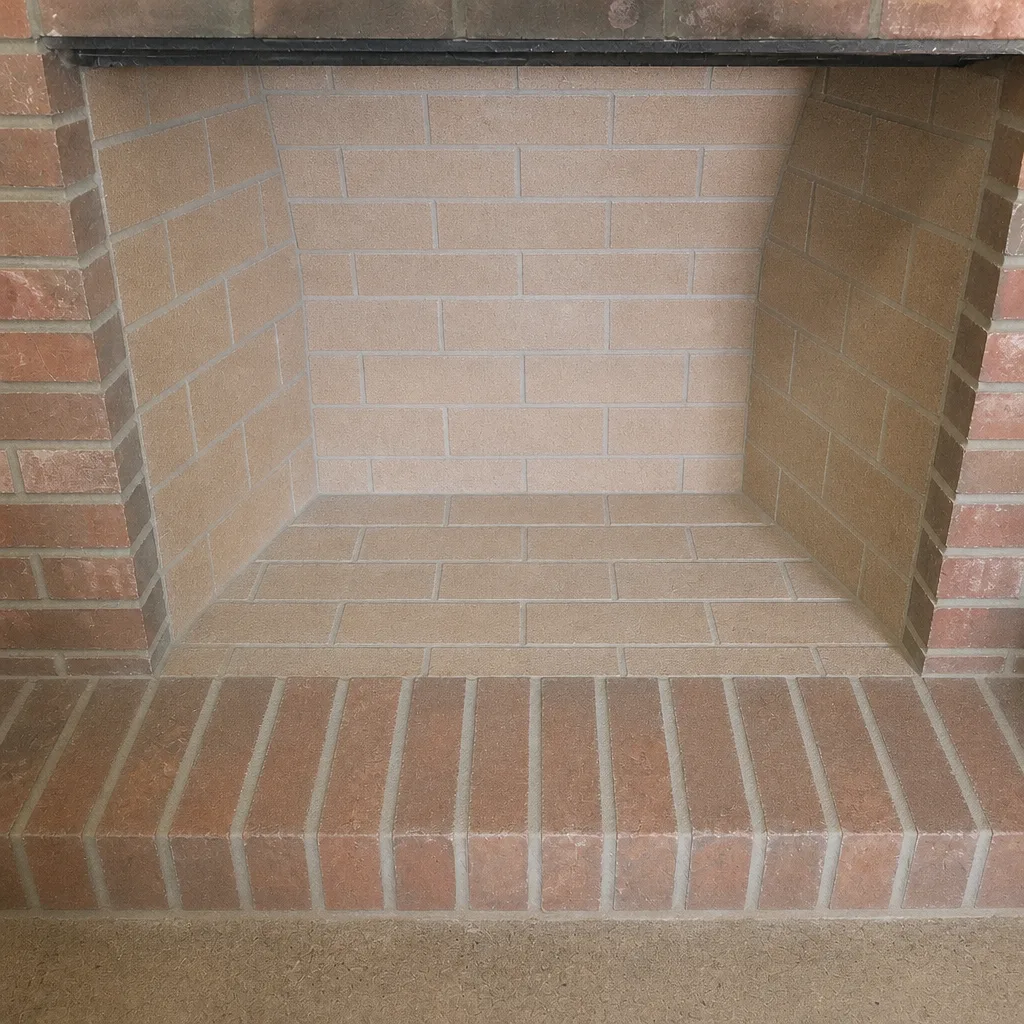 After
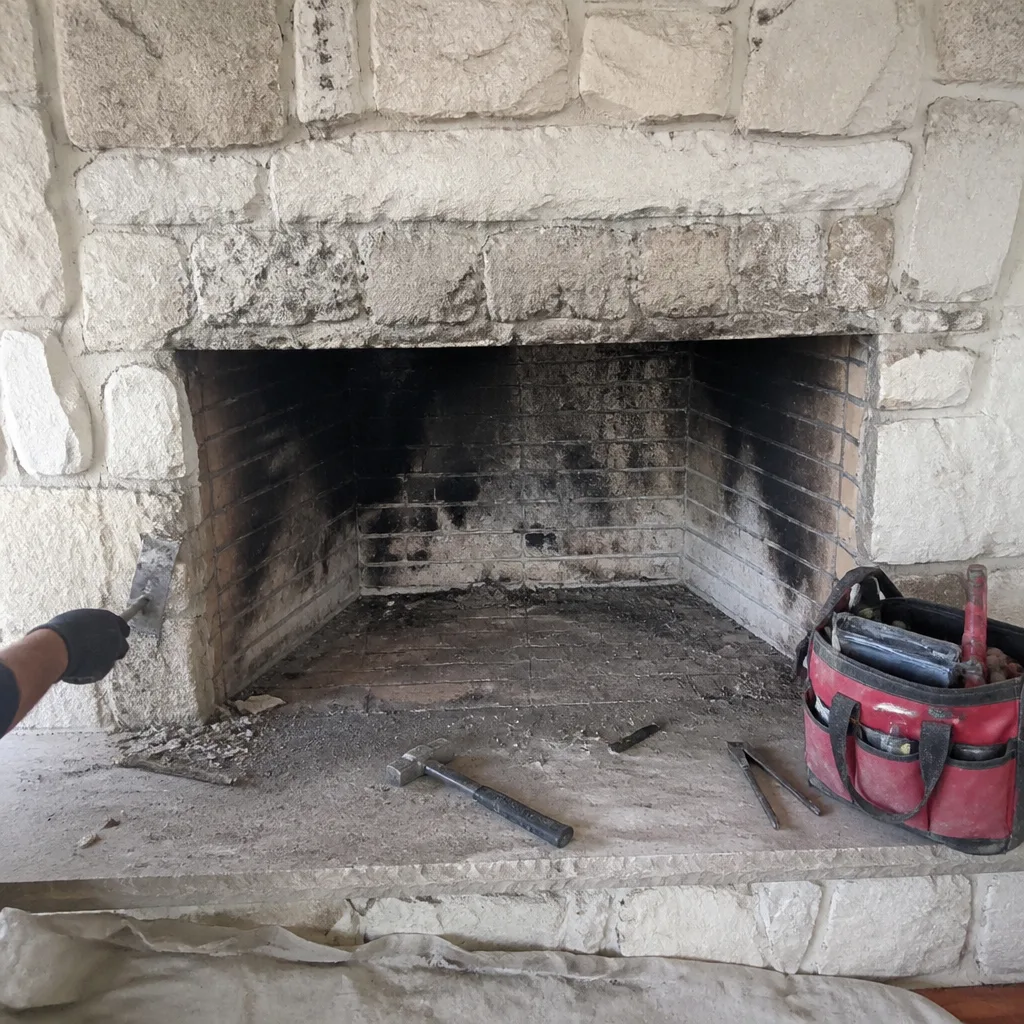 Before
 After
 Before
 After
When to Call a Professional
Chimney work isn’t a do-it-yourself category. The flue is a life-safety system, and the interior of a chimney is a confined space with hazards a homeowner can’t evaluate with a flashlight. Call a professional if any of these apply:
- It’s been more than a year since the last sweep, or you don’t know when the chimney was last inspected.
- You’ve noticed creosote buildup visible on the flue interior when you look up from the firebox.
- There’s a smell of smoke in the house when the fireplace isn’t burning.
- The chimney cap is missing, damaged, or poorly fitted.
- You’ve had a chimney fire at any point, even one you think was small.
- You’re adding a wood insert, gas appliance, or changing how the chimney is used.
- You’re buying or selling a home in Pembroke Pines and need a current inspection report.
Monarch Chimney Sweep offers free estimates in Pembroke Pines. Call (855) 701-1714. We answer 24/7. Fast dispatch from 7am to 7pm, Sunday through Friday.
Frequently Asked Questions
A standard sweep in Pembroke Pines typically falls in the same general range as the rest of South Florida, with the exact cost depending on the flue configuration, whether a camera inspection is included, and whether any repairs are identified. The written estimate sets the final price, and it should be agreed before the technician begins. Call (855) 701-1714 for an exact quote – estimates are free.
A liner replacement is only justified when the inspection shows specific damage: cracked tiles, gaps at the joints, or a failed prior liner. You shouldn’t accept a liner recommendation without seeing the camera footage and reading the report findings. If the inspection doesn’t show damage, you don’t need a liner. Call (855) 701-1714 if you want a second opinion based on evidence – estimates are free.
Chimneys should be swept and inspected once a year, and more often if you burn wood frequently during the winter season. In a mild climate like Pembroke Pines, where fireplaces are used less often, the annual inspection still matters because moisture damage progresses independently of how much you burn. Call (855) 701-1714 to schedule a sweep and inspection – estimates are free.
Skipping the inspection leaves the flue liner, cap, and damper unchecked, which means small defects can develop into larger problems without your knowledge. Creosote buildup and liner cracks are the primary safety concerns in a wood-burning system, and moisture intrusion in a masonry chimney is the primary structural concern in this climate. Call (855) 701-1714 to book an inspection – estimates are free.
Florida does not issue a state license specifically for chimney sweeps, which is exactly why verification of CSIA and NFI certifications, insurance, and business address matters when you hire. Ask the certifying body question directly and verify with a quick lookup. Call (855) 701-1714 if you’d like to talk through what to check on any contractor’s credentials – estimates are free.
Legally, yes, because no state license is required for the work. But a general handyman is unlikely to have CSIA or NFI certification, a camera inspection setup, or a written inspection report, which means the visit doesn’t confirm your flue is safe. Hire someone who treats the chimney as a system, not a duct. Call (855) 701-1714 for a sweep and inspection that includes documented findings – estimates are free.
You know by asking for a certificate of insurance before the appointment, in writing, with a policy period that covers your scheduled visit. Don’t accept “we’ll get you a copy after.” If a contractor can’t produce it up front, that’s your answer. Call (855) 701-1714 and we’ll walk through the verification steps – estimates are free.
After a significant storm event or any period of heavy rain, an inspection checks for moisture intrusion, cap damage, crown cracks, and displaced flashing at the roofline, along with a camera check of the flue. South Florida’s rain and humidity work on masonry year-round, so post-storm checks catch problems before they become structural. Call (855) 701-1714 to schedule an inspection – estimates are free.
We inspect and service both wood-burning and gas fireplace venting. Gas appliances still need their vent examined for corrosion and proper draft, and the technician’s certification category should match your appliance type. If you’re not sure which category your appliance falls in, call (855) 701-1714 – estimates are free.
The Bottom Line
Hiring a chimney cleaning contractor in Pembroke Pines starts with a simple reframe: the visit isn’t about the brush, it’s about the inspection. Verify CSIA and NFI credentials, confirm insurance and business address before the appointment, and require a camera inspection with a written report before you consider any repair recommendation. Recognize the red flags: prices that seem too low, missing addresses, “certified” claims without a certifying body, and repairs quoted without evidence. Material quality matters too, from HeatShield resurfacing to DuraFlex liners and Gelco or Famco components, because a repair built with the right parts outlasts one built with substitutes.
A chimney is a long-lived system, and the contractor you choose is the person who determines whether it stays safe. That’s worth ten minutes of verification before the appointment instead of a season of uncertainty after it.
Ready to Book? Start With an Inspection.
Call (855) 701-1714 for a free estimate. Every visit starts with an inspection, which means findings are documented in a report you can read and the repair recommendation follows the evidence rather than the other way around. We work with professional-grade materials from HeatShield, DuraFlex, Gelco, and Olympia Chimney, and we cover the full chimney lifecycle with separate sweep, repair, and inspection services under one company. If you’re new to the area, read more about our work in Pembroke Pines. We answer 24/7. Fast dispatch from 7am to 7pm, Sunday through Friday. Estimated pricing is agreed in writing before work begins, and if a repair can safely wait, we’ll tell you so.
Written by the team at Monarch Chimney Sweep.