
Last updated November 15, 2026
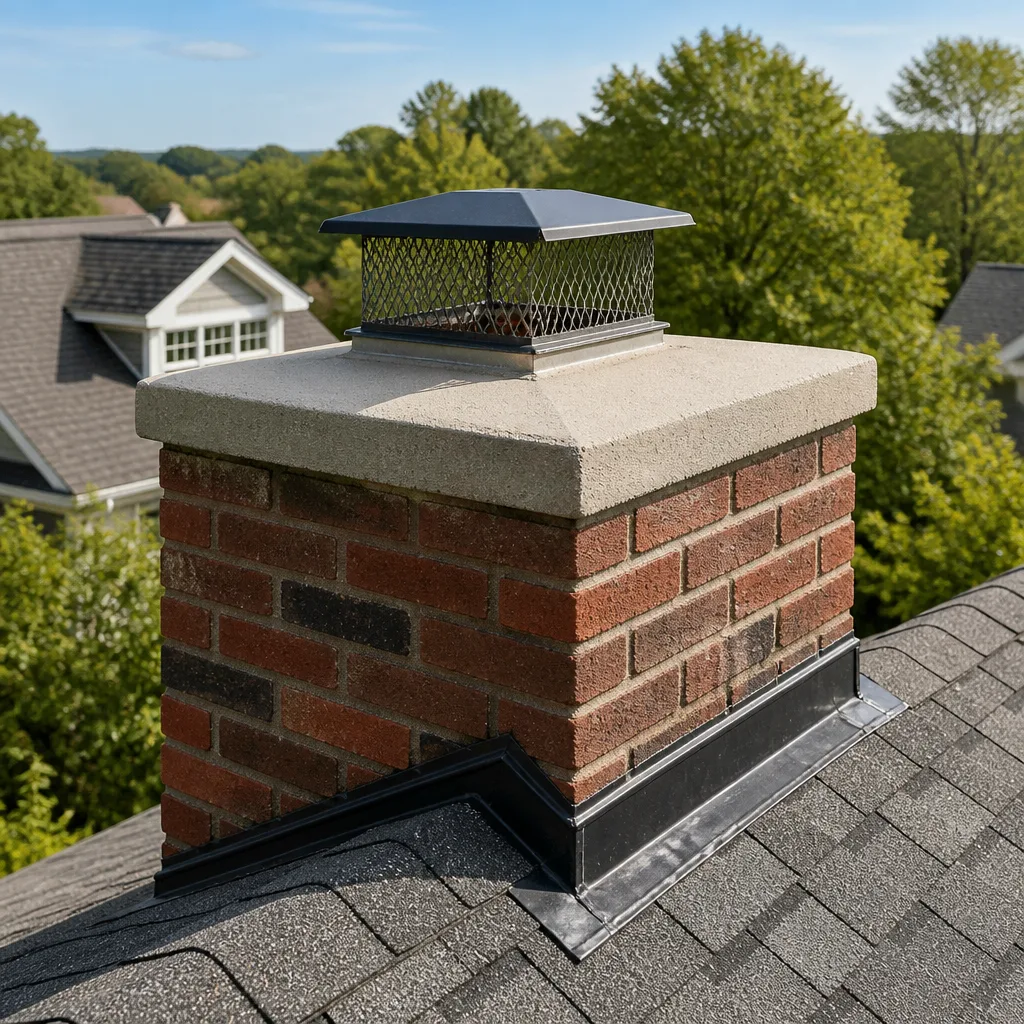 Sweep & inspection
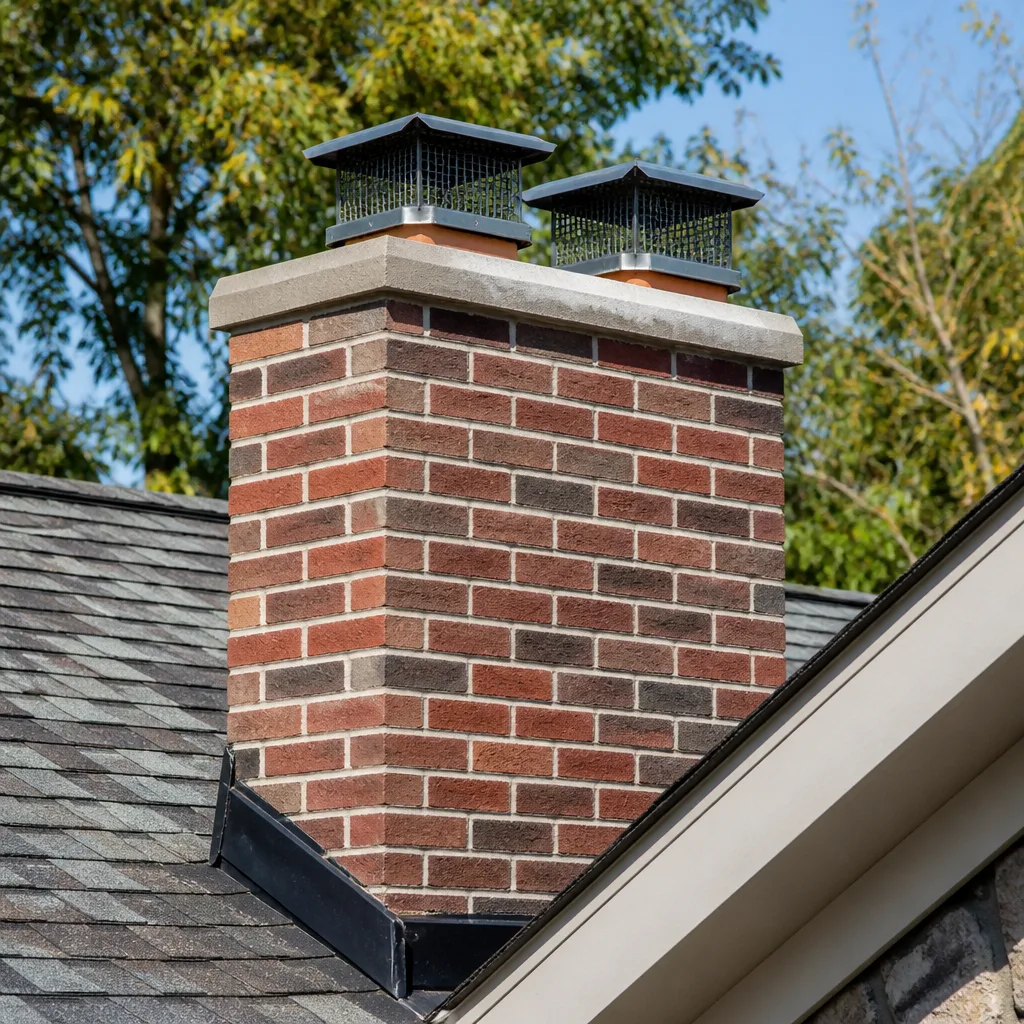 Caps & crowns
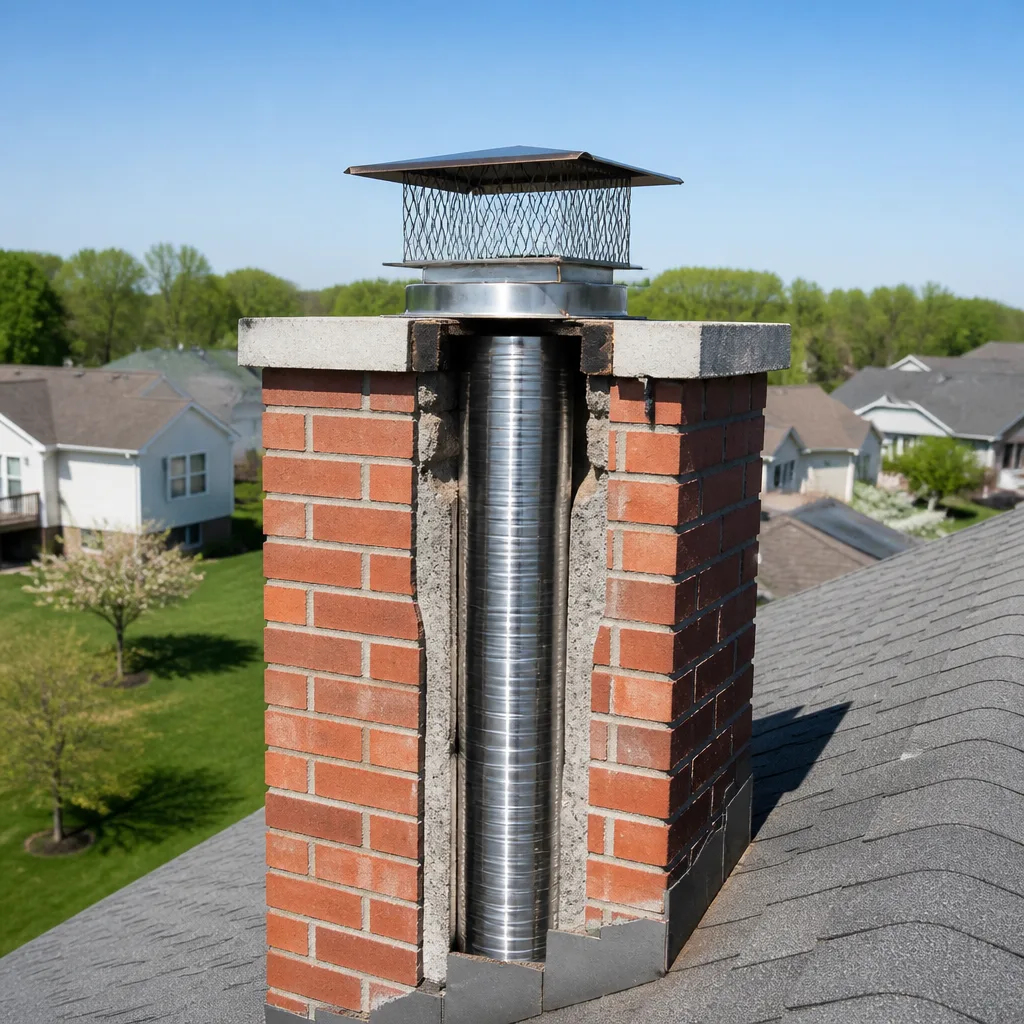 Flue relining
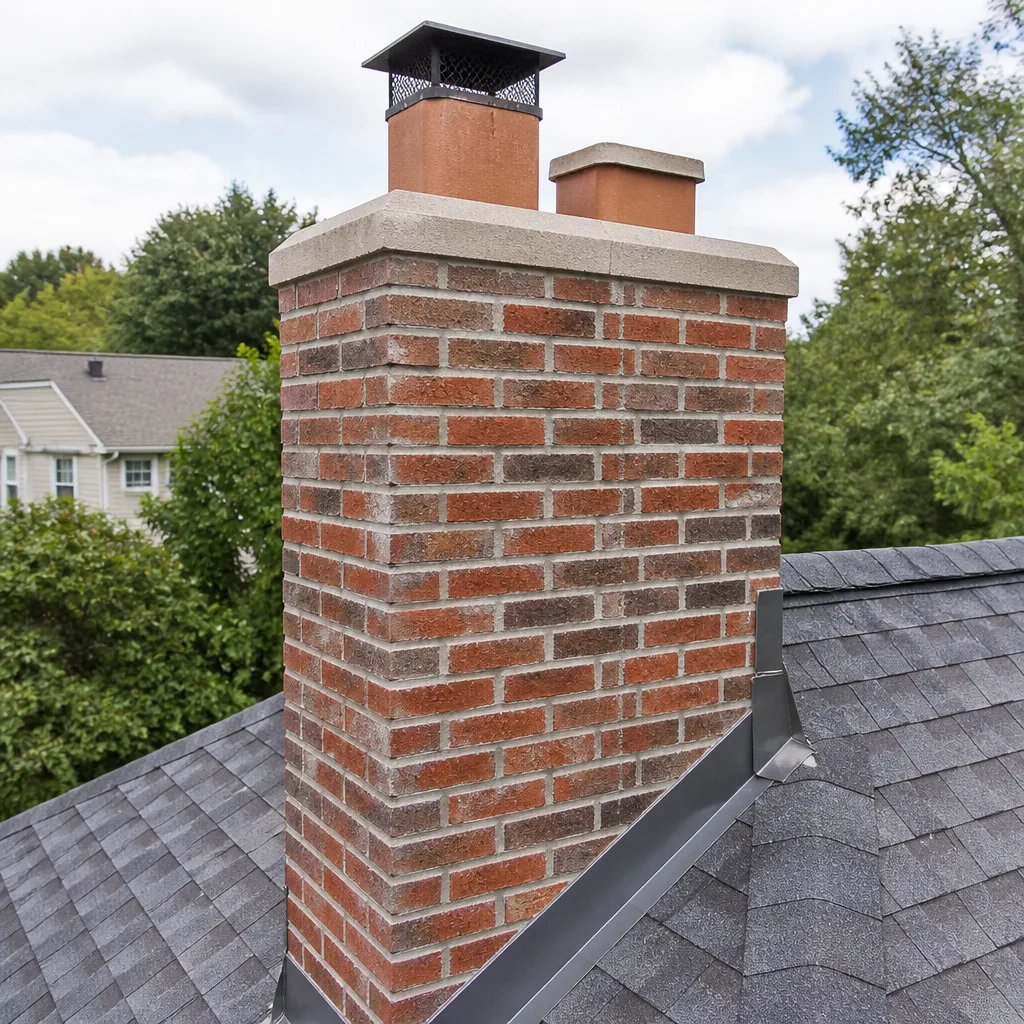 Masonry repair
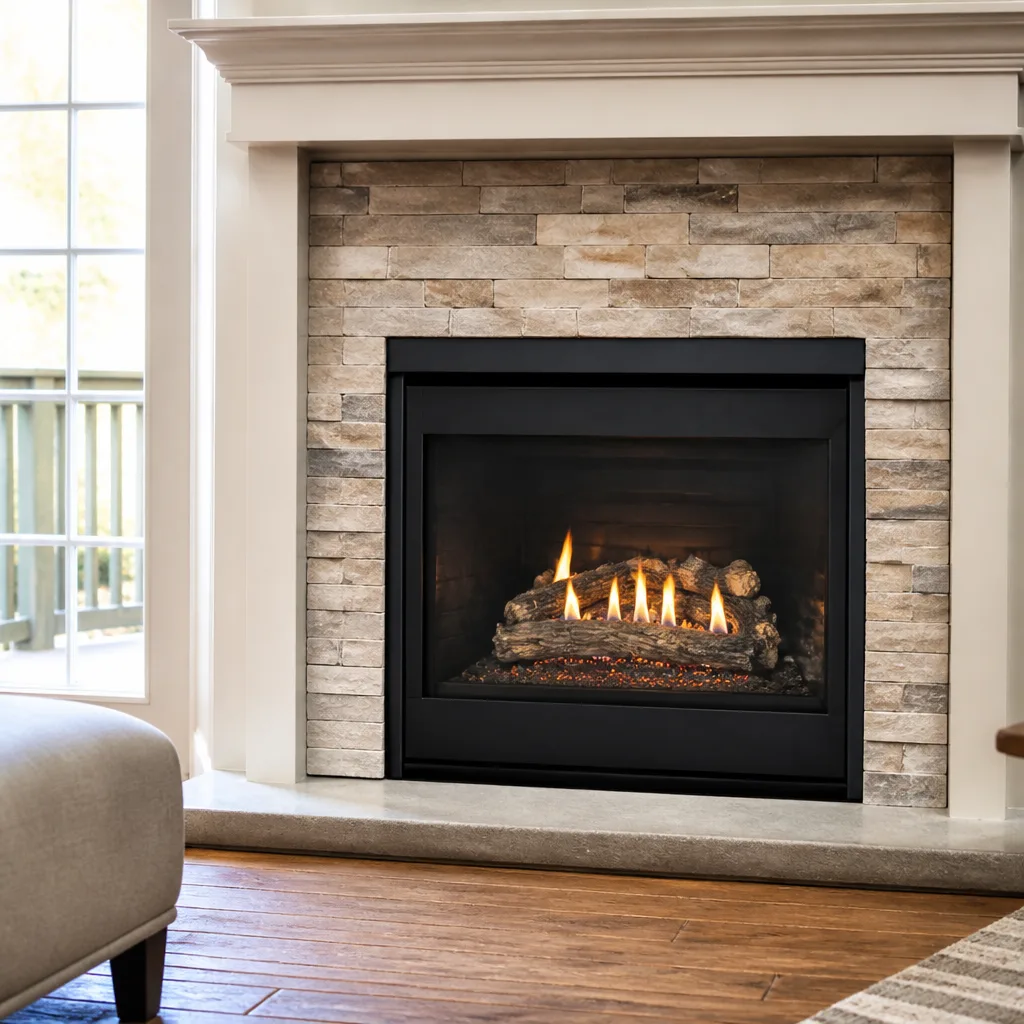 Gas fireplace service
Level 1 sweep and inspection to the NFPA 211 annual standard - flue, crown, cap, and flashing checked and photographed
Chimney sweep logs do not sweep chimneys. They loosen some creosote - which then falls where a brush and vacuum still have to collect it.
Chimney Cleaning Cost Breakdown: The Pembroke Pines Homeowner’s Reference for 2026
A $99 chimney cleaning quote and a $350 chimney cleaning quote are often not competing for the same job. They’re describing two completely different scopes of work, and knowing the difference protects you from paying twice. Most homeowners shop chimney care by looking for the lowest number, then feel blindsided when the technician arrives and the price changes, or when a second visit is needed because the first one skipped half the system. The number on the phone was never the whole story. This guide breaks down what a chimney cleaning actually includes in Pembroke Pines, what legitimately pushes the price up or down, and how to read a quote so you can tell a fair price from a cheap one that costs more later.
Quick Answer
A standard single-flue chimney cleaning with a Level 1 inspection in Pembroke Pines typically runs $180 to $350 in 2026, depending on flue condition, liner type, and access. A basic sweep alone with no inspection often prices lower, but it leaves you without a documented condition report. Anything above that range usually means added scope: heavy creosote, a camera inspection, a tall or difficult flue, or a needed repair found during the sweep.
Styles & brands we work with
- Sweep & inspection
- Caps & crowns
- Flue relining
- Masonry repair
- Gas fireplace service
Table of Contents
- What a Chimney Cleaning Actually Includes
- Line-Item Cost Breakdown for Pembroke Pines
- What Drives the Price Up or Down
- Why “Cleaning Specials” Often Skip the Inspection
- Cost of Common Follow-On Repairs
- Structuring a Multi-Year Maintenance Budget
- How Pembroke Pines Conditions Affect Your Chimney
- How to Read a Chimney Quote
What a Chimney Cleaning Actually Includes
A chimney cleaning is not just running a brush down a flue. On a professional job, the sweep and the inspection are two distinct steps, and both belong in the work. The sweep removes soot and creosote from the flue, firebox, smoke chamber, and damper area. The inspection then documents the condition of the whole system so you know what you’re actually living with. When a quote prices a “cleaning” without an inspection, it is pricing half the trade.
Here is what a full cleaning visit should cover:
- Protection of your living space. Drop cloths or a sealed work area around the hearth before any brush touches the flue.
- Firebox and damper cleaning. Soot and ash removed from the firebox floor, damper plate, and the shelf above it.
- Flue sweep. The full run of the flue brushed from the top or bottom depending on access and flue type.
- Smoke chamber. The sloped chamber above the damper cleaned, since this is where creosote and soot collect out of sight.
- Level 1 inspection. A visual check of the firebox, damper, flue, cap, crown, and accessible exterior, with findings documented.
- Debris removal. Everything swept out of the system leaves with the technician, not into your shop vac.
What a cleaning does not include, and shouldn’t be sold as part of one, is a Level 2 camera inspection, a repair, or a resurfacing job. Those are separate scopes with separate prices. Our technicians have up to 8 years of experience, and every job pathway starts with an inspection. Findings are documented before any repair is recommended. That sequencing is what separates a real specialist visit from a brush-and-go appointment, whether you book a chimney sweep or come to us with a problem you already suspect.
Line-Item Cost Breakdown for Pembroke Pines
Here’s the typical 2026 price structure for chimney work in the Pembroke Pines market. Prices are estimates, per job, and the written estimate sets the final price.
Standard Cleaning and Inspection
| Service | Typical Estimated Range |
|---|---|
| Sweep only (single flue, no inspection) | $95 – $180 |
| Sweep + Level 1 inspection (standard single flue) | $180 – $350 |
| Sweep + Level 1 inspection, tall or steep flue | $250 – $400 |
| Level 2 camera inspection (add-on) | $150 – $350 |
| Second flue cleaning | $80 – $150 additional |
| Heavy creosote removal (Stage 3) | $350 – $600+ |
What Each Line Represents
- The base sweep. Labor and time to protect, brush, and clean the firebox. A single flue in good condition is the fastest job.
- The Level 1 inspection. The visual walkthrough of the full system with documented findings. This is the line that protects you, and it’s the line cheap quotes strip out.
- The camera inspection. A video walk of the flue interior. Standard on a Level 2, and the only honest way to see liner cracks, gaps, and offsets you can’t reach with a flashlight.
- Creosote staging. Stage 1 and 2 creosote brush out. Stage 3 is glazed, tar-like, and needs chemical treatment before it can be swept, which adds a return visit and cost.
- Height and roof access. A masonry chimney on a two-story Pembroke Pines home takes longer to access safely than a single-story vent.
When we quote a sweep, the estimate is flat and agreed before the work begins. No surprises mid-job. Call (855) 701-1714 for an exact quote; estimates are free.
What Drives the Price Up or Down
Two identical-looking cleaning jobs can price hundreds of dollars apart, and it usually comes down to four things. Understanding them lets you evaluate a quote instead of just comparing the last digit.
Liner Type
A clay tile flue is standard and straightforward to sweep. A stainless steel insert liner, whether factory-installed or added later, requires different brush heads and more careful handling to avoid damaging the liner wall. If your home has a stainless insert from a maker like Olympia Chimney or a flexible system such as DuraFlex, that changes the tooling and the technique a technician brings, and it can shift the cleaning price modestly upward.
Flue Height and Access
A chimney that’s easy to reach from a roof route is faster to service than a flue on a steep pitch or a difficult chase. Access complexity is a real cost driver, not padding.
Creosote Stage
Stage 1 and Stage 2 creosote brush clean. Stage 3 is glazed and requires chemical treatment before sweeping, plus a return visit. Stage 3 also changes the safety conversation entirely, because a heavily glazed flue is the one most associated with chimney fire risk. That’s why photos of the flue interior matter: you should see what the technician sees.
Camera Inspection Add-Ons
A camera add-on isn’t upsell when there’s a reason to look deeper. A recently lined flue, a suspected gap, or a post-repair verification all justify a camera run. When there’s no reason to look, a Level 1 visual inspection is often enough, and we’ll say so.
Here’s the short version of the drivers:
- Clay tile liner, single flue, easy roof access, Stage 1-2 creosote: lowest end of the range.
- Stainless insert liner or accessible-but-tall flue: middle of the range.
- Stage 3 creosote, hard access, or multiple flues: upper end or above.
- Repair found during the sweep (crown, cap, parging, liner): separate scope, priced after the inspection.
Why “Cleaning Specials” Often Skip the Inspection
A cheap cleaning special and a proper cleaning aren’t the same product, and the gap is almost always the inspection. Many low-priced offers cover a brush run and nothing else. That omission matters because it’s the inspection that catches the problems a brush can’t fix: a cracked crown, a damaged cap, a failed liner joint, or a smoke chamber without the correct parging.
When the inspection is skipped, three things tend to happen:
- You don’t learn what condition your flue is actually in. A brush removes soot; it doesn’t tell you whether a liner crack is letting exhaust into the structure.
- Problems get discovered later, usually at a worse time. A cracked crown that goes unaddressed allows water intrusion into the masonry, which compounds over a single season.
- You pay twice. A second visit for an inspection, then another for the repair, costs more than one properly scoped visit from the start.
This is not a knock on every low price. Some sweep-only visits are honest and priced for homeowners who already had a documented inspection recently. The point is to ask what’s included. A quote without an inspection line is a quote for half the job, and half the job doesn’t tell you whether your flue is a life-safety system in good working order.
Our approach is inspect first, recommend second. We document what we find with photos, so you’re evaluating evidence, not a sales pitch.
Cost of Common Follow-On Repairs
Often the sweep finds something that needs fixing before the next burning season. That’s normal. What matters is knowing typical ranges so a repair recommendation doesn’t blindside you. These are estimated ranges for the Pembroke Pines market, and Broward County labor rates sit on the higher side of South Florida, so a fair price here reflects local labor, not a statewide average.
Crown Sealing
The crown is the concrete or masonry cap at the top of the chimney that sheds water away from the flue. A cracked crown allows water in, and water in the masonry is a long-term problem. Crown sealing typically runs $250 to $600 depending on the crown’s condition and whether it needs a full rebuild.
Chimney Cap Replacement
A cap keeps rain, animals, and debris out of the flue while letting exhaust escape. Caps harden out, rust out, or get damaged by wind over time. A replacement cap from a maker like Gelco or Copperfield typically runs $150 to $450 installed, depending on size and style, with custom caps at the higher end.
Smoke Chamber Parging
The smoke chamber is the sloped area above the damper. If it’s rough or has gaps, it needs parging to smooth the surface and reduce creosote buildup. Parging typically runs $350 to $800. This work is often skipped by generalists but is a standard part of a full system check.
Chimney Liner Replacement
A damaged liner needs replacement with a stainless system like DuraFlex or a resurfacing with HeatShield. HeatShield resurfacing can restore a deteriorating clay flue without full liner replacement, which often saves money. A full liner replacement typically runs $2,000 to $4,500 depending on height and flue size. This is the line where you should insist on a camera inspection first; no liner work should be sold on a visual guess.
Comparing these numbers against local labor realities is why a chimney repair estimate in Broward County doesn’t match a national average. We work with professional-grade materials, not hardware-store substitutes, so the parts carry the same specification a master mason would use. Call (855) 701-1714 for a repair estimate; estimates are free.
Structuring a Multi-Year Maintenance Budget
Chimney care isn’t a one-time purchase. It’s a system that needs routine attention, and budgeting for it properly stops it from becoming a surprise expense. The goal is to avoid the two failure modes: doing nothing until an emergency, and over-spending yearly on work your flue doesn’t need.
A sensible way to structure the budget is by service type and frequency, not by a single annual number:
- Year 1, get a baseline inspection. A Level 1 inspection (often bundled with a cleaning) gives you a documented starting point. Know the condition of your liner, crown, cap, and smoke chamber before you need to.
- Set a cleaning interval based on use. A homeowner who burns regularly should sweep on a shorter interval than someone who lights the fireplace a few times a season. Ask for a recommended interval based on your inspection, not a boilerplate “once a year.”
- Budget a repair reserve. Set aside an amount that covers a crown seal or cap replacement as a realistic possibility over the next few years. Masonry ages; that’s not a failure, it’s normal.
- Re-inspect after significant weather or before the first burn. South Florida’s rainy season stresses crowns and caps. A quick visual check before lighting the first fire of the season catches small problems early.
- Keep your inspection records. Documented findings, especially with photos, protect you at resale and let the next technician see the history.
A well-maintained flue rarely produces catastrophic surprise repairs. The surprise comes from skipping years and letting small cracks become water-damaged masonry. Our technicians have up to 8 years of experience, and the inspection is what lets us give you a realistic, honest interval rather than padding the schedule.
How Pembroke Pines Conditions Affect Your Chimney
Pembroke Pines doesn’t produce the deep-winter conditions that drive chimney wear in colder regions. Winters here are mild, and the chimney’s main environmental stress comes from the rainy season and the heat, not from snow or freezing. That shifts the maintenance picture in ways that matter to your budget.
Rain is the primary threat to the masonry. A crown that sheds properly keeps water out; one that doesn’t lets water soak into the brick and mortar, where it causes spalling and efflorescence over time. The cap gets the same treatment. This is why crown and cap inspections belong in a regular sweep, not just at the point when something looks wrong.
Mild winters also mean some Pembroke Pines homeowners burn less than they would up north, so intervals between sweeps can be longer. The flip side is that when a firebox sits idle for months, debris and animal activity can build up unseen. A quick pre-season check before the first burn covers it.
Humidity is the other factor. A well-sealed cap and a properly seated damper keep the humid air out, which does more for masonry longevity than most homeowners realize. The right components matter, which is why we source caps and dampers from makers like Gelco and Famco, the same hardware professional chimney contractors specify.
If you want the full local picture, our Pembroke Pines page covers the area, and any homeowner in the city can reach us for a free estimate.
How to Read a Chimney Quote
The single most useful skill in this whole guide is knowing how to read a quote. A quote isn’t just a price. It’s a description of scope, and the scope is what tells you whether the price is fair.
A trustworthy quote should include these elements:
- A clear scope line. “Sweep + Level 1 inspection, single flue” is specific. “Chimney cleaning” alone is not.
- Whether the inspection is included. If it isn’t, ask why and what it would cost to add.
- A flat price for the standard scope. The base cleaning and inspection price should be agreed before work starts, not adjusted once the technician arrives.
- Repairs listed separately, priced after inspection. Repairs should not be bundled into the cleaning quote, because their need is determined by inspection findings.
- Documented findings with photos. You should be able to see what the technician saw before agreeing to any repair.
Ask directly if anything is being excluded. A good technician will tell you when work can safely wait, and when it can’t. Nothing we recommend is sold without camera evidence you can look at yourself.
Common Mistakes to Avoid
- Choosing the lowest quote without reading the scope. A $99 cleaning that skips the inspection isn’t cheaper, it’s just less work, and it usually means a second paid visit inside the same season.
- Assuming a cleaning fixes a draft or smell problem. A sweep removes soot and creosote, but a draft, a smoky firebox, or an odor issue is a diagnosis problem that needs an inspection, not more brushing.
- Agreeing to liner work without seeing the inside of the flue. Any liner or resurfacing recommendation should follow a camera inspection. If the technician can’t show you the evidence, don’t sign.
- Waiting until the rainy season to check the crown and cap. South Florida rain finds every crack. Check before the wet months, when small repairs are cheap and water damage hasn’t started.
- Assuming Pembroke Pines’ mild climate means the chimney needs nothing. It needs less frequent service than a cold-climate flue, not no service. Idle fireboxes collect debris and animal material.
- Throwing away inspection records. Documented findings with photos are the best protection at resale and the most useful record for the next technician.
- Letting a generalist handle liner or parging work. Chimney resurfacing and liner systems are specialist work. A handyman with a brush isn’t the same job as a specialist with the right materials.
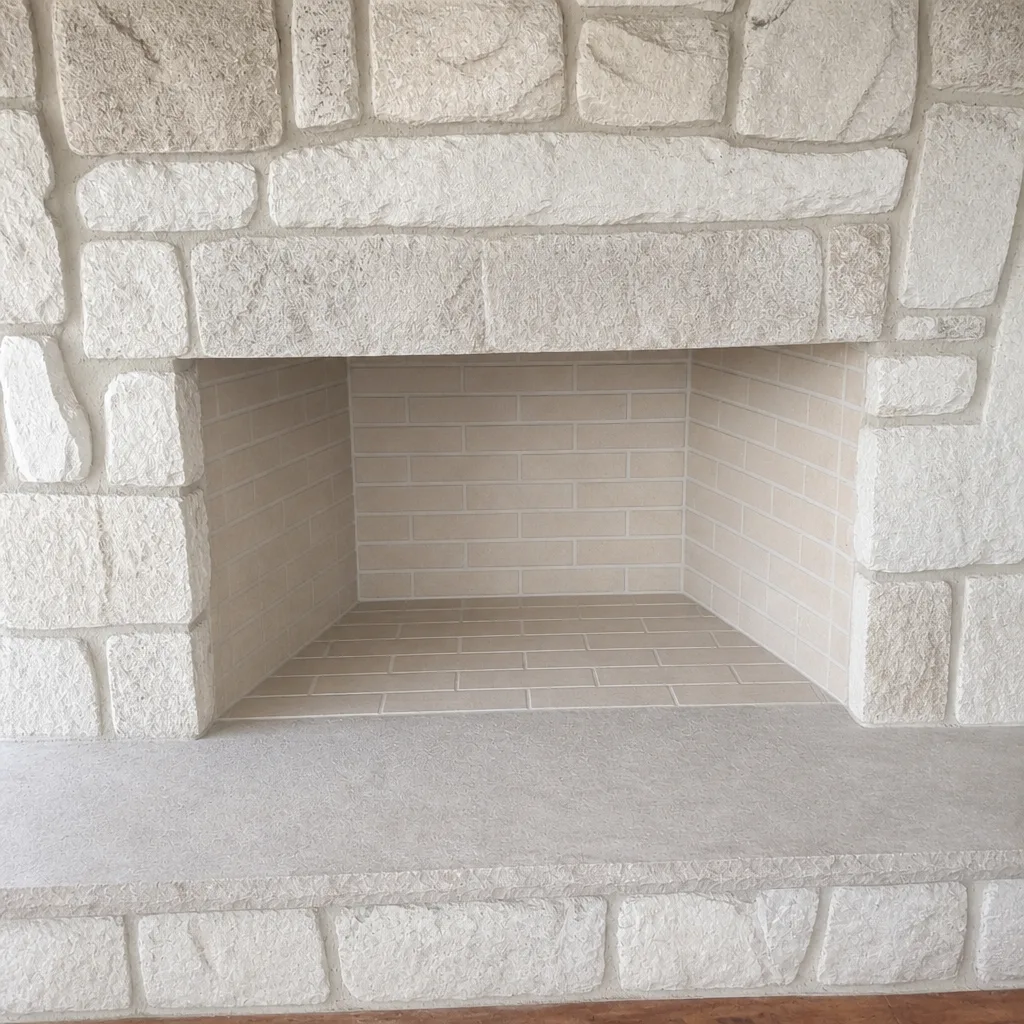
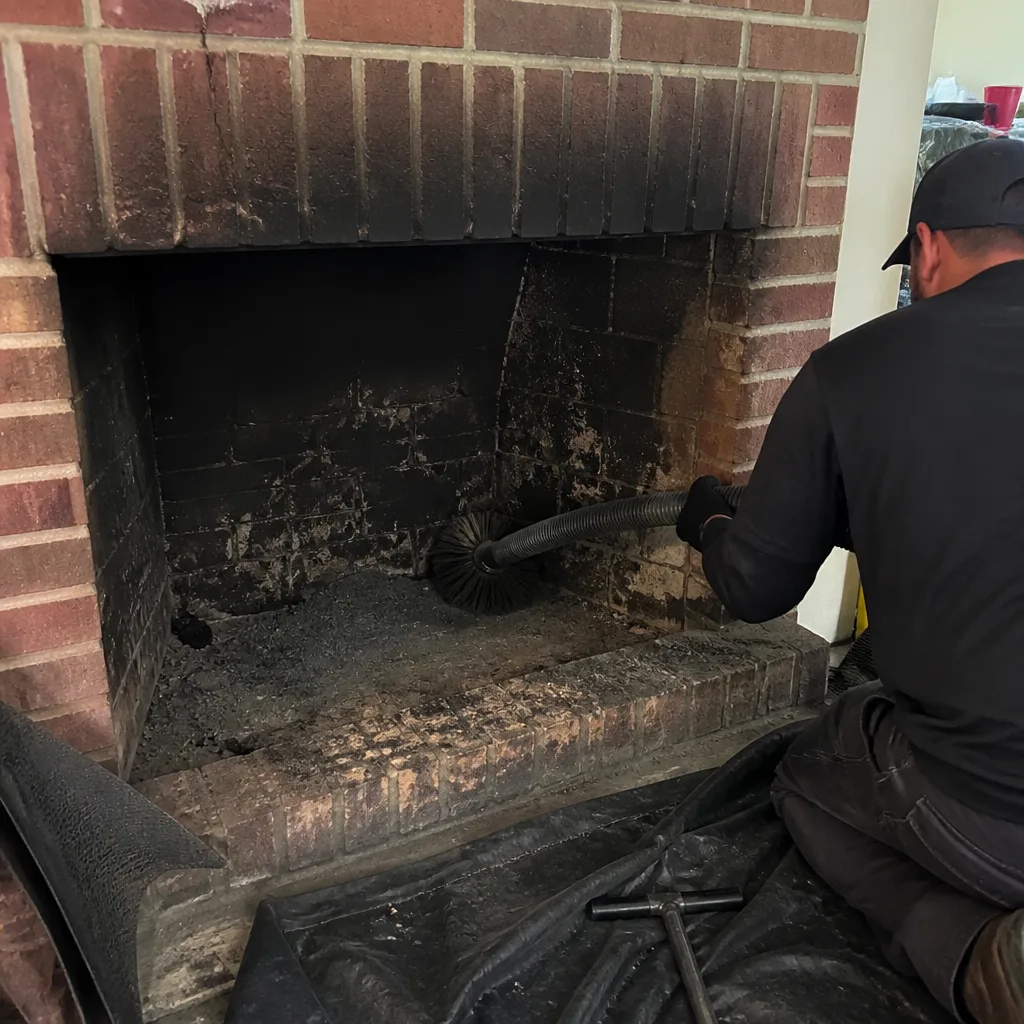
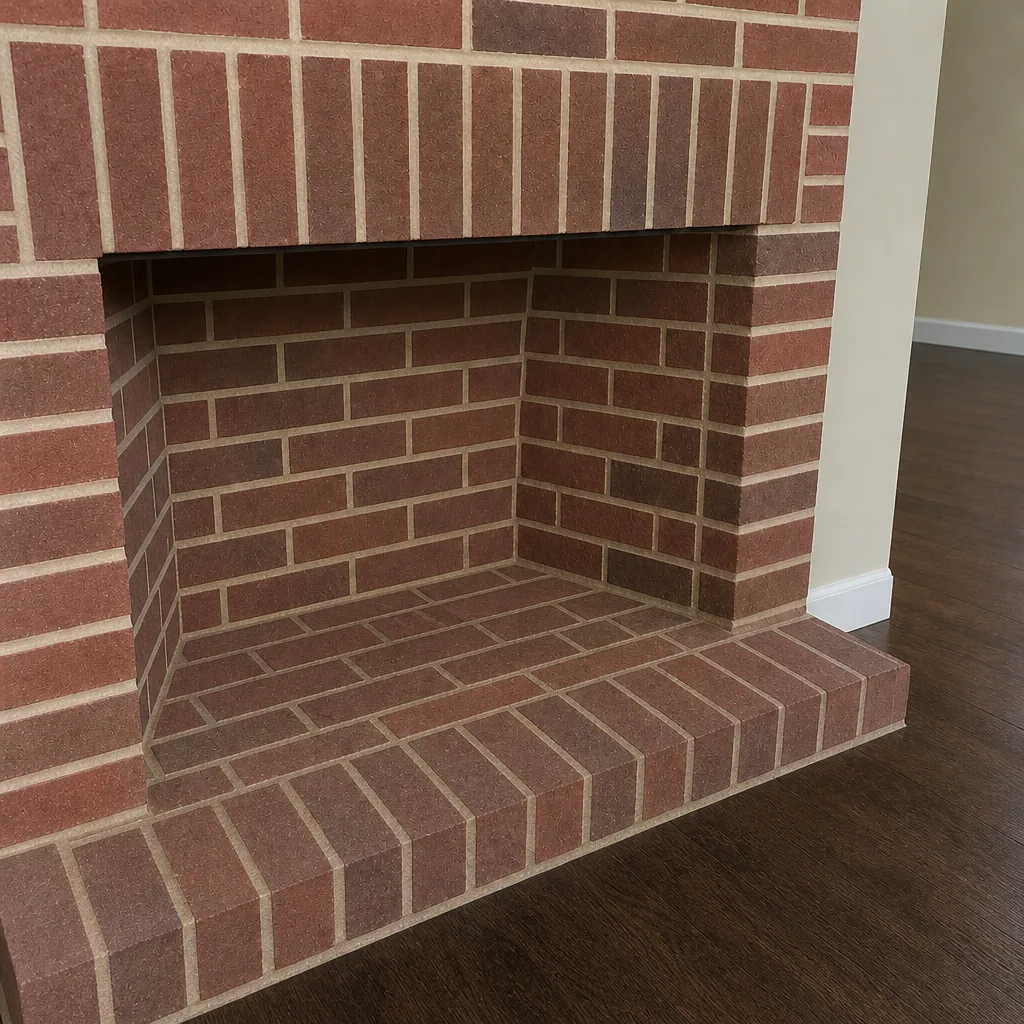
See the difference
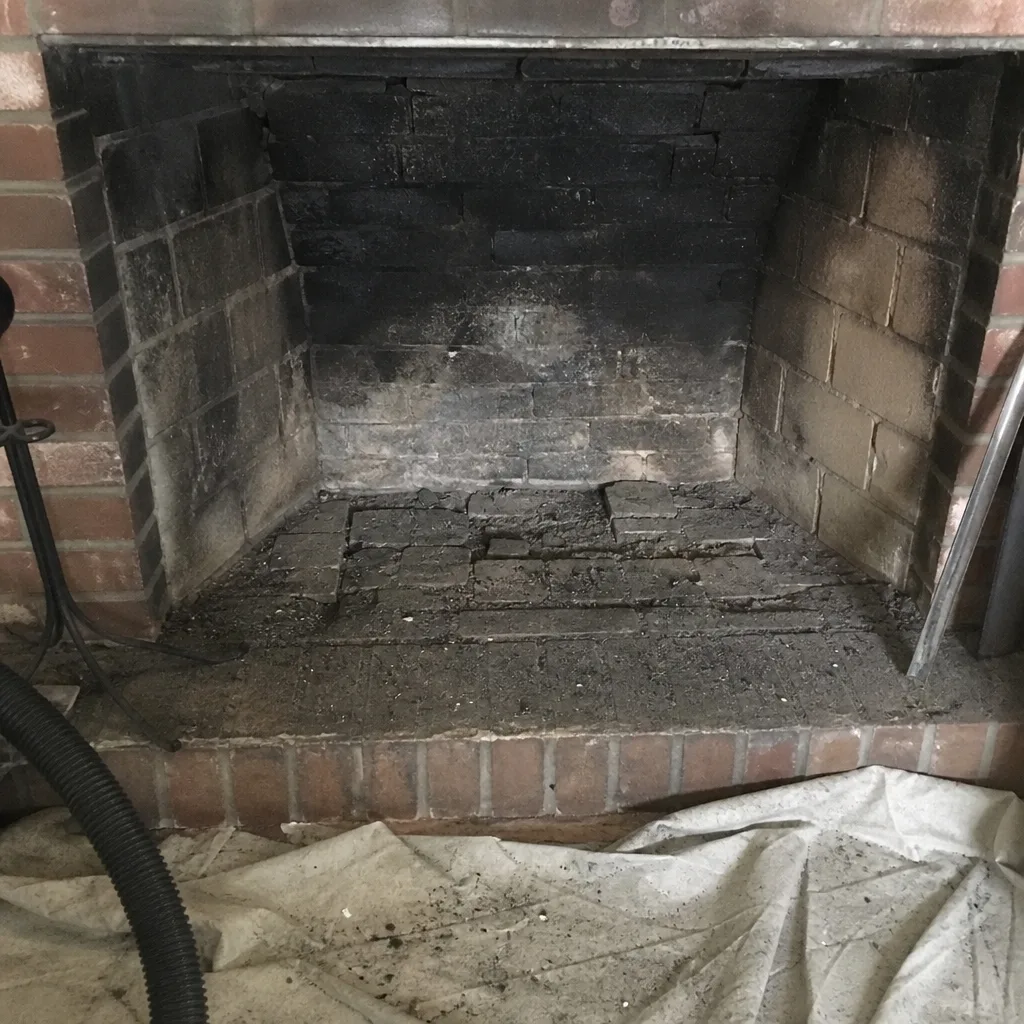 Before
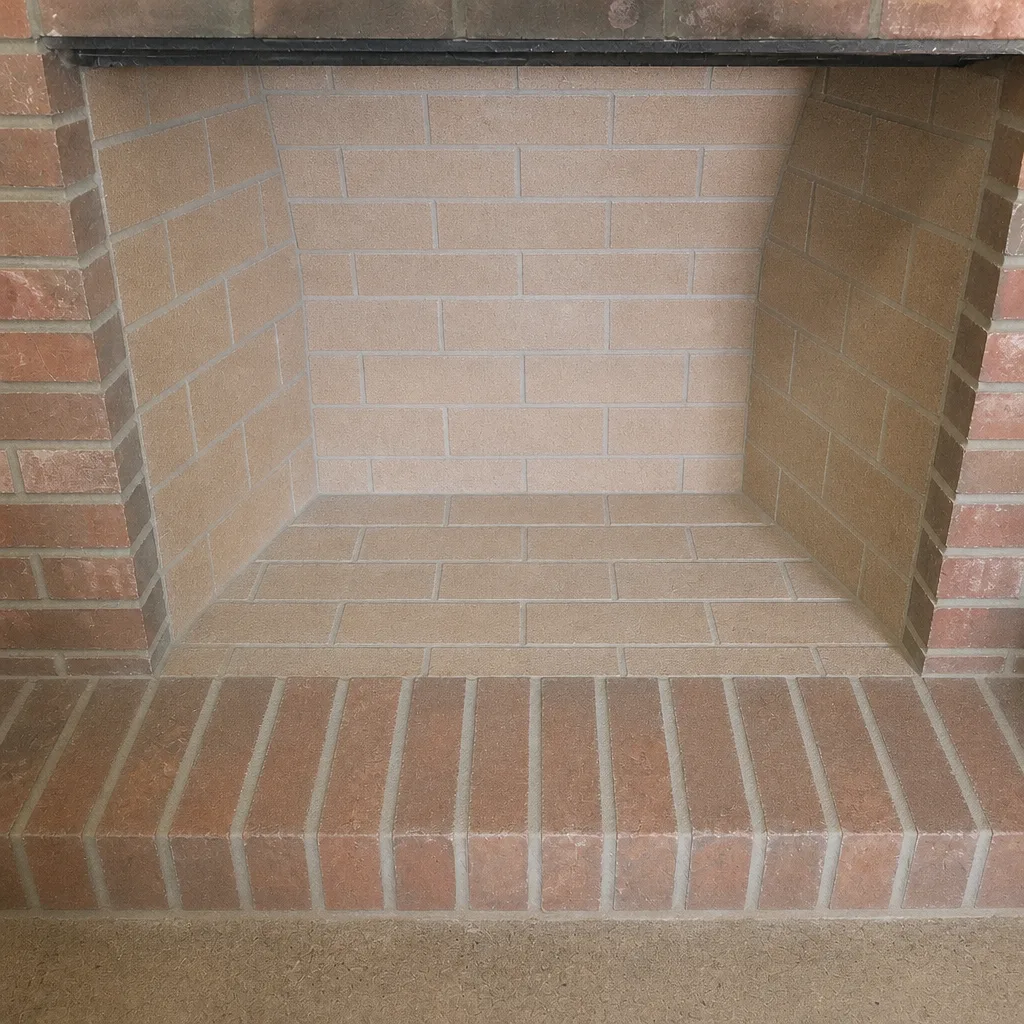 After
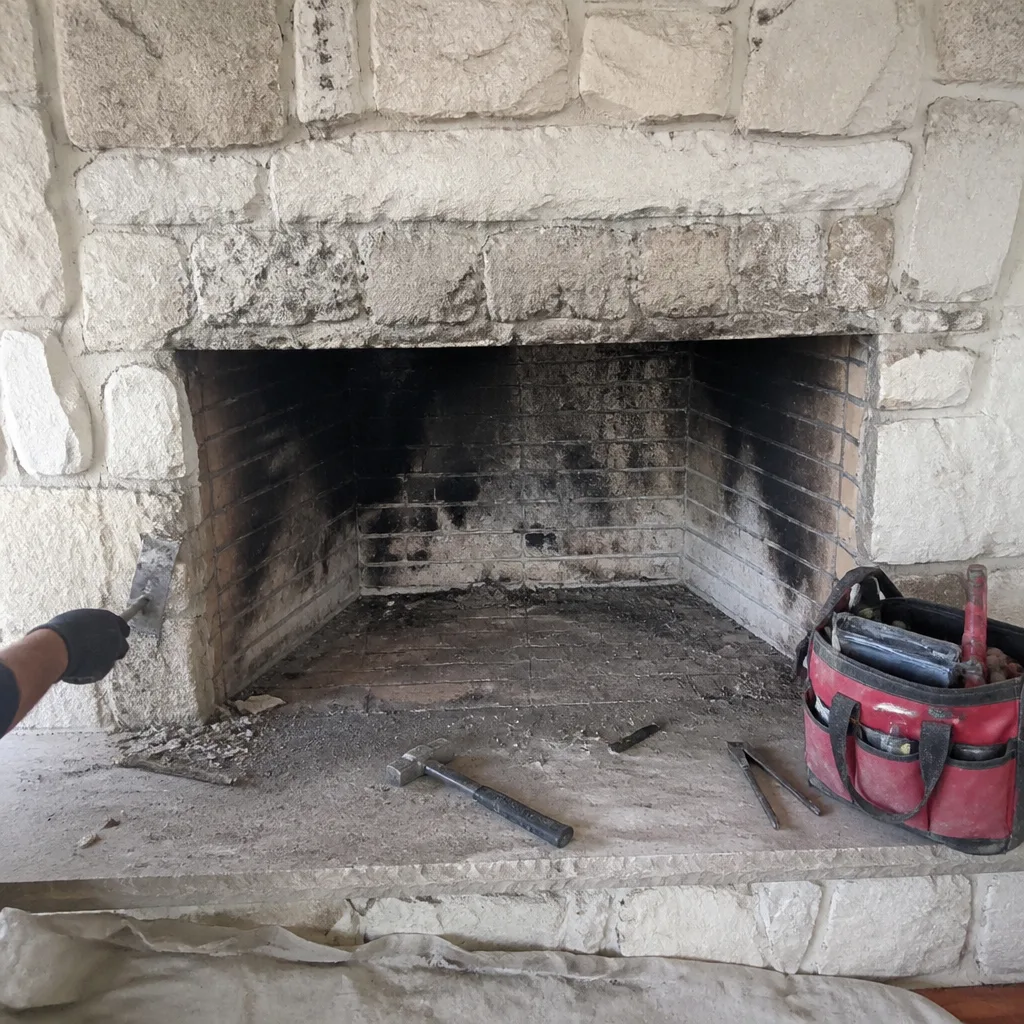 Before
 After
 Before
 After
When to Call a Professional
Some chimney problems announce themselves; others sit quietly until a sweep turns them up. Call a professional specialist if you notice a strong, persistent smell from the firebox, visible soot staining on the exterior of the chimney, a draft that pulls smoke back into the room, or a damaged crown or cap visible from the ground. Call after significant storm damage or if the chimney hasn’t been inspected since you moved in. And if you’re planning to light a fire in a wood-burning fireplace or insert and can’t remember the last inspection, that’s reason enough.
A trained professional should always handle ladder access, roof work, and anything involving the flue liner or smoke chamber. These are life-safety components, and the correct inspection is what separates a safe flue from a risky one. Monarch Chimney Sweep offers free estimates in Pembroke Pines. Call (855) 701-1714. We answer 24/7. Fast dispatch from 7am to 7pm, Sunday through Friday.
Frequently Asked Questions
A standard single-flue cleaning with a Level 1 inspection typically runs $180 to $350 in 2026, depending on flue condition, liner type, and access. A sweep-only visit without an inspection prices lower, but it leaves you without a documented condition report. Call (855) 701-1714 for an exact quote; estimates are free.
Only if the inspection shows a liner that’s actually failed, and you should see the evidence yourself before agreeing. A deteriorated clay tile flue can often be resurfaced with HeatShield instead of fully relined, which is a specialist-only process and usually costs less than a new liner. If there’s no evidence of failure, you don’t need it, and we’ll tell you so. Call (855) 701-1714 to schedule an inspection with documented findings.
Often enough to stay ahead of creosote buildup, which depends on how much you burn. Mild winters mean many Pembroke Pines homeowners can go longer between sweeps than in colder regions, but regular inspection is still the right starting point to set your own interval. Call (855) 701-1714 and we’ll give you a specific recommendation based on your fireplace and habits.
Small problems get more expensive. A cracked crown lets rain into the masonry, a gapped liner can allow exhaust into the structure, and unaddressed creosote raises the risk of chimney fire. None of this means your chimney will fail tomorrow; it means you lose the chance to fix things cheaply before they grow. A regular inspection keeps you ahead of it. Call (855) 701-1714 for a documented inspection; estimates are free.
Usually because the cheaper quote covers a smaller scope, typically a sweep without the inspection. The two quotes aren’t competing for the same job; they’re pricing different amounts of work. The lowest number isn’t wrong, but you should know what it excludes before you book. Call (855) 701-1714 and we’ll walk you through exactly what our estimate includes.
A visual Level 1 inspection is enough when there’s no reason to suspect a hidden problem. A camera inspection is the right call when the flue was recently relined, when there’s a leak or draft issue, when a repair needs verification, or before any liner work is recommended. The camera shows the inside of the flue that a flashlight can’t reach. Call (855) 701-1714 and we’ll tell you which inspection level fits your situation; estimates are free.
The Bottom Line
Chimney cleaning prices in Pembroke Pines vary more than they should because the scope varies. A $99 special and a $350 full visit are often not the same job: the difference is usually the inspection, and that’s the part that protects you. Standard cleaning with a Level 1 inspection typically runs $180 to $350. The price moves up for stainless liner handling, tall or difficult flues, and heavy creosote. Follow-on repairs like crown sealing, cap replacement, and smoke chamber parging carry their own estimated ranges, and none of them should be recommended without documented evidence you can see. Budget for a baseline inspection, a realistic cleaning interval, and a small repair reserve. That structure keeps chimney care routine instead of reactive. Inspect first, recommend second. That’s how we work.
Whether you need a routine cleaning, a repair, or a safety inspection, Monarch Chimney Sweep handles the full chimney system: sweep, repair, and inspection, with professional-grade materials and documented findings every time. Call (855) 701-1714 for a free estimate. We answer 24/7. Fast dispatch from 7am to 7pm, Sunday through Friday.
Written by the team at Monarch Chimney Sweep.