
Last updated November 15, 2026
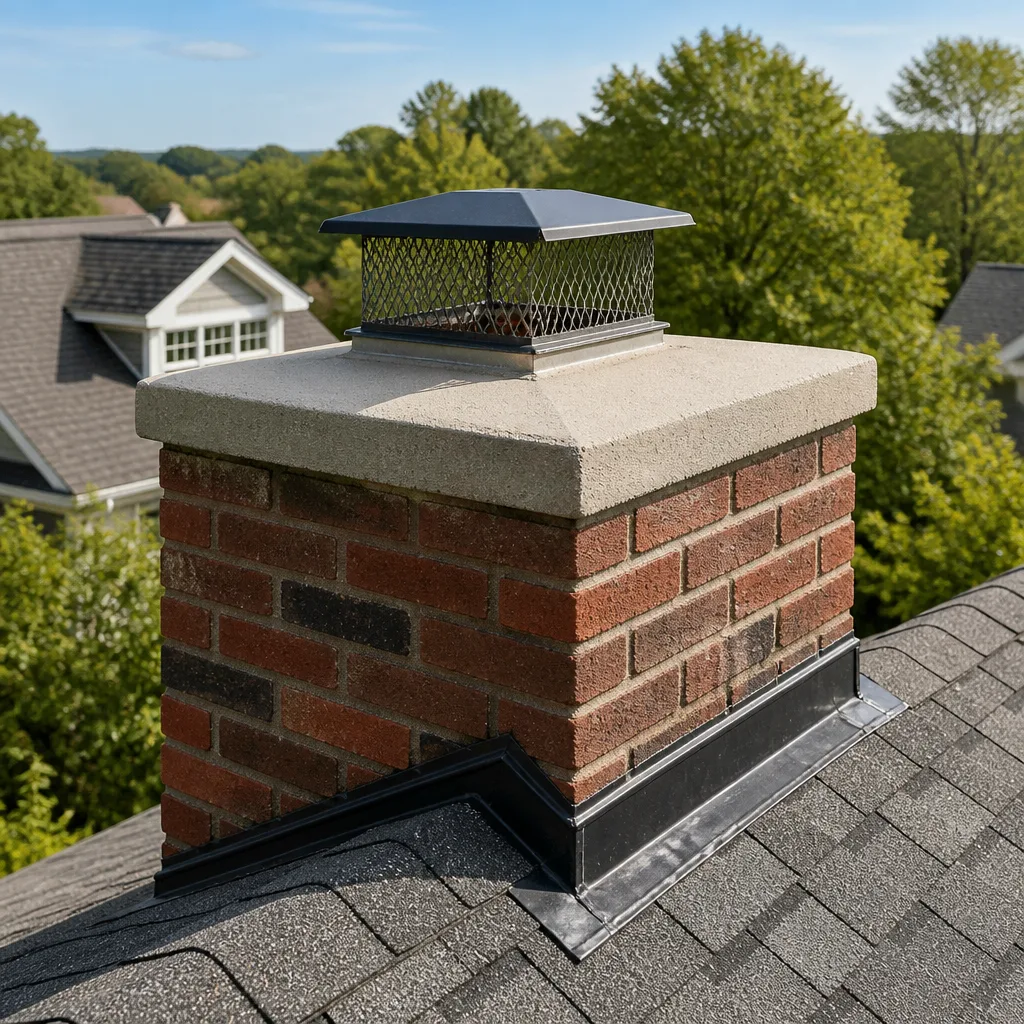 Sweep & inspection
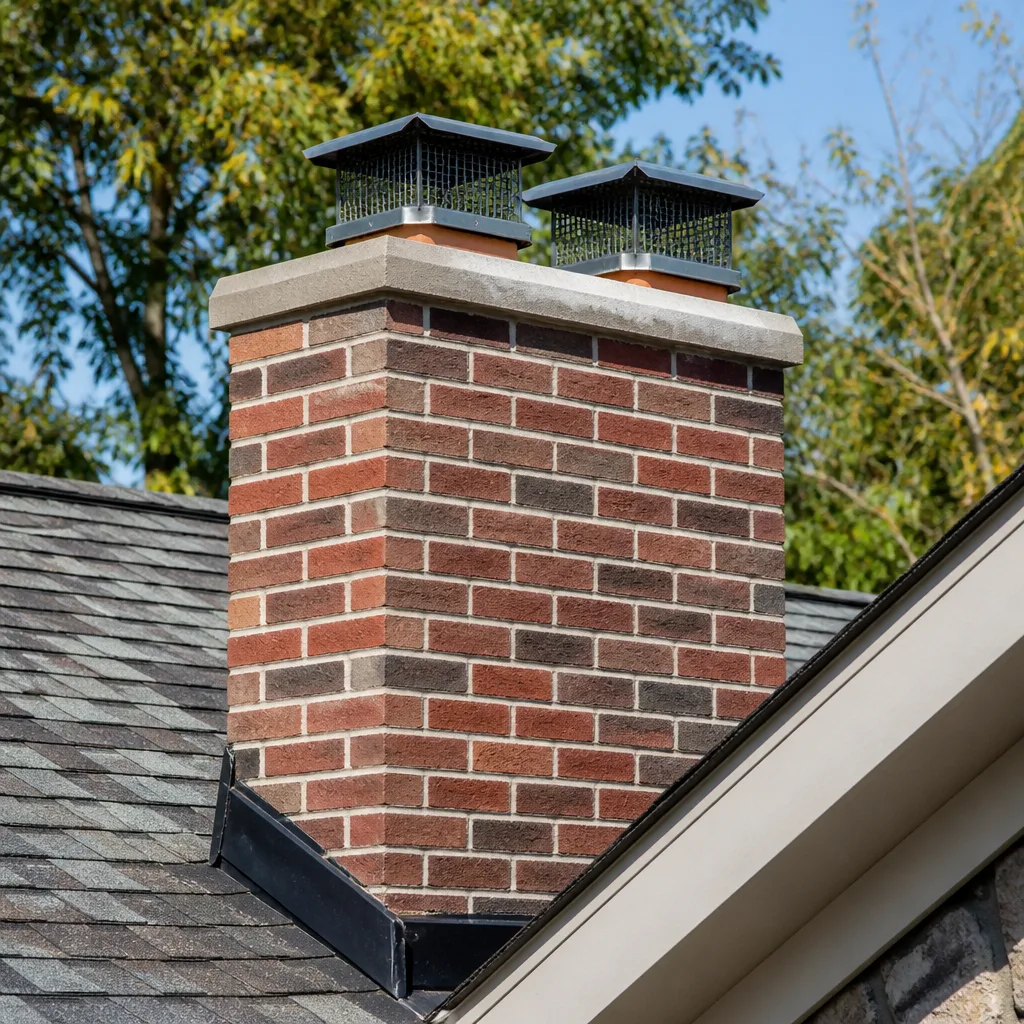 Caps & crowns
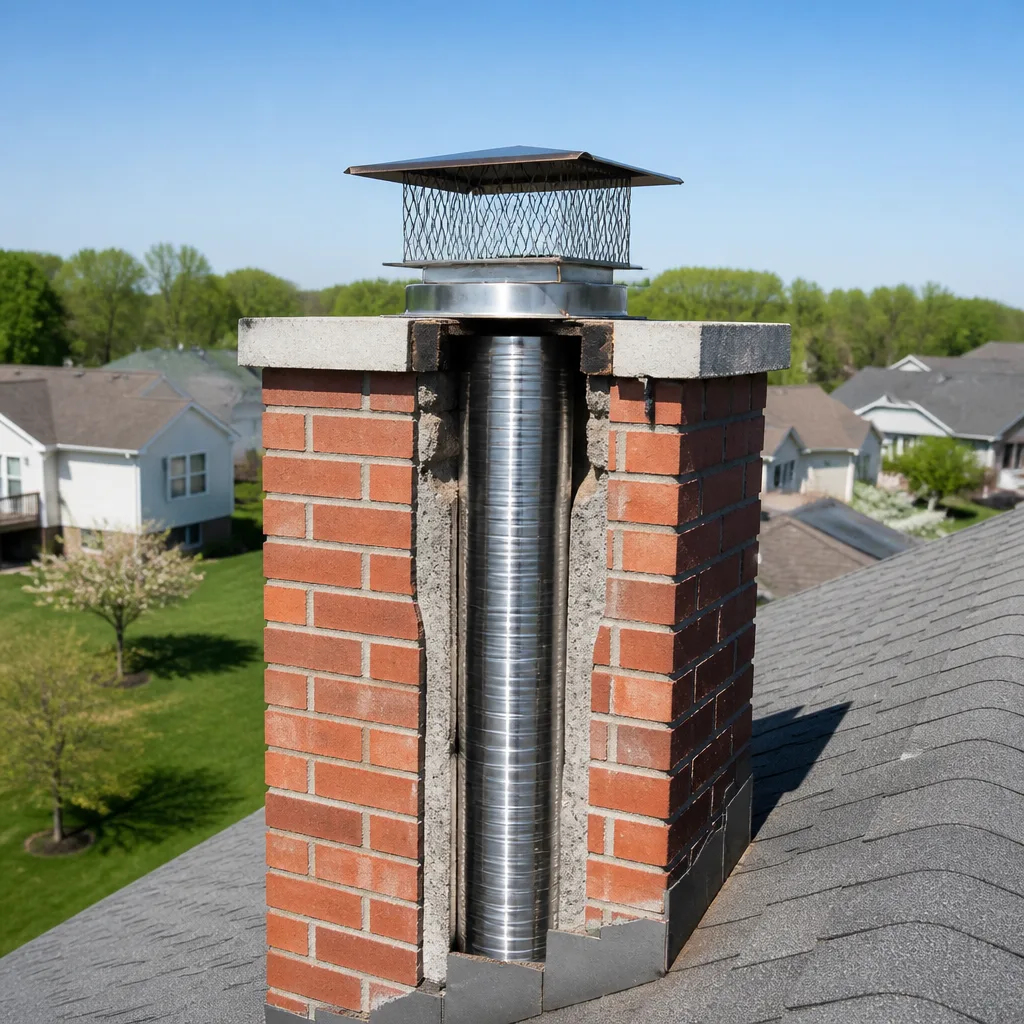 Flue relining
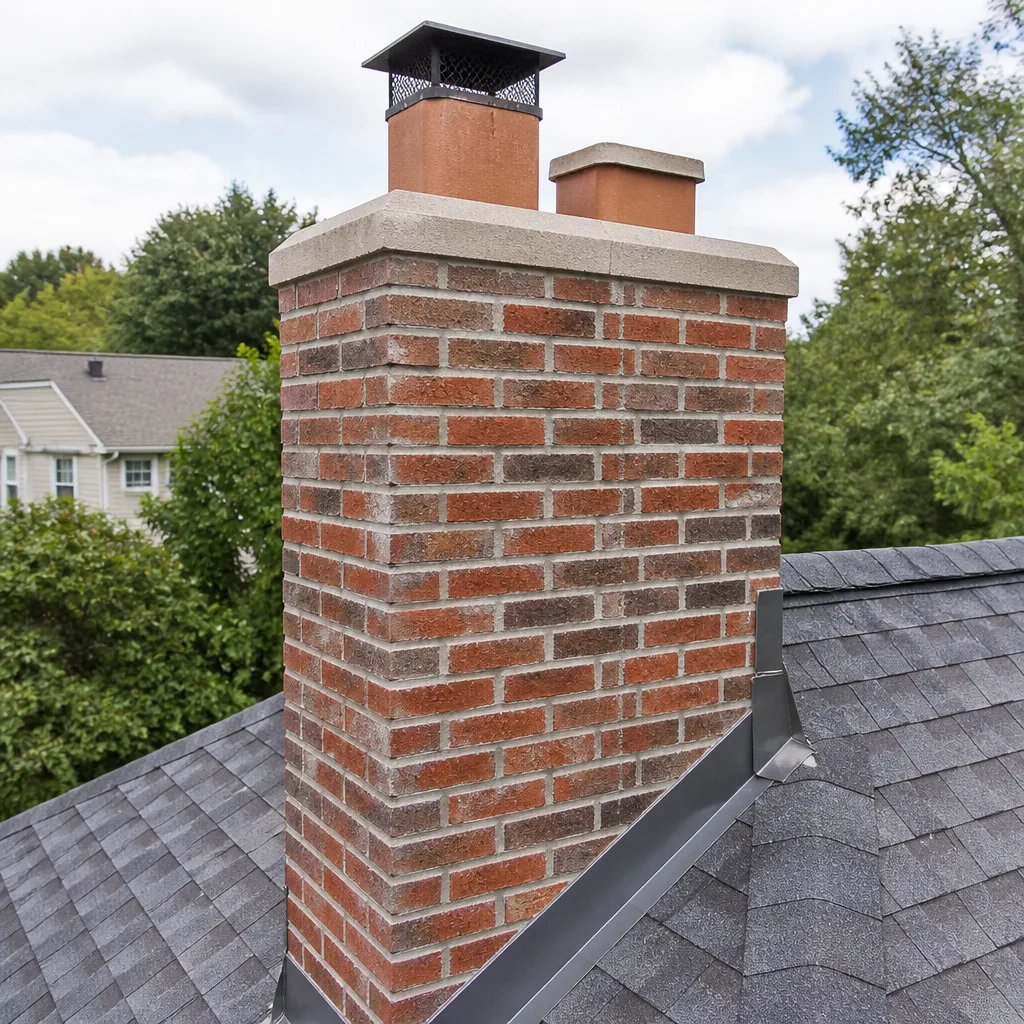 Masonry repair
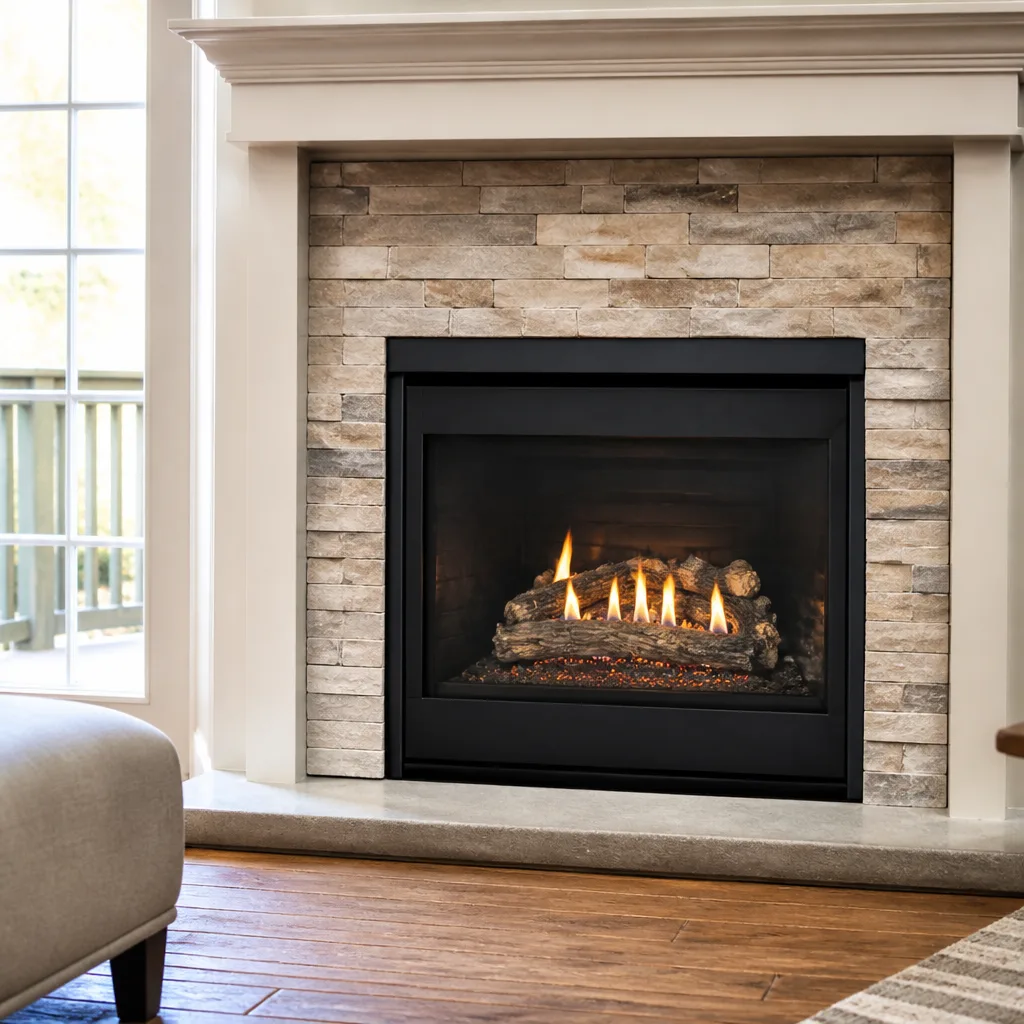 Gas fireplace service
Level 1 sweep and inspection to the NFPA 211 annual standard - flue, crown, cap, and flashing checked and photographed
Chimney sweep logs do not sweep chimneys. They loosen some creosote - which then falls where a brush and vacuum still have to collect it.
Chimney Cleaning Warning Signs: A Pembroke Pines Homeowner’s Reference Guide
A smoky smell when the fireplace isn’t in use isn’t a vague “chimney problem” – it’s a specific diagnostic signal. It points to one of three distinct conditions inside your flue system, and each one calls for a different response. Most homeowners read it as “the chimney smells” and either ignore it or break out a bottle of spray. Both are the wrong move. In this guide, we walk through the warning signs that matter in a Pembroke Pines home and explain what each one actually indicates mechanically, so you can tell the difference between a signal you can schedule around and one that means stop using the fireplace today.
Quick Answer
Chimney cleaning warning signs fall into three categories: smell signals (draft reversal, creosote odor, or moisture), visible signals (efflorescence, cracked crowns, separated masonry, rusted caps), and performance signals (weak draft, smoke rollback, soot staining). A persistent smell when the fireplace is off, white staining on exterior brick, or any smoke coming into the room means stop using the fireplace and get an inspection. Soot buildup you can see in the firebox or a slow-clearing flue means schedule a cleaning before the next burn.
Styles & brands we work with
- Sweep & inspection
- Caps & crowns
- Flue relining
- Masonry repair
- Gas fireplace service
Table of Contents
- What Do Chimney Smells Actually Tell You?
- What Does White Staining on Your Chimney Mean?
- How Do You Tell Normal Crown Cracking from Structural Failure?
- Why Do South Florida Chimneys Attract Insects and Wildlife?
- The Traffic-Light Framework: Green, Yellow, Red Warning Signs
- What Weak Draft and Smoke Rollback Reveal About Your Flue
- Why Inspection Comes Before Any Repair Recommendation
- When Should You Stop Reading and Call a Professional?
What Do Chimney Smells Actually Tell You?
A smell when the fireplace is off tells you air is moving the wrong way through the flue. It’s moving down instead of up. But that general description lumps together three very different mechanical conditions, and only one of them is a cleaning issue.
Draft Reversal Odor
This smells like ash and stale smoke, and it’s strongest on humid, still days. The cause is usually a pressure imbalance or a firebox that’s gone cool while a competing exhaust fan (a bathroom fan, a kitchen range hood, a dryer) is pulling air out of the house. The flue is behaving as an intake rather than an exhaust. Nothing is wrong with the chimney itself, but the condition is persistent enough in many Pembroke Pines homes that it’s worth understanding. If the smell clears quickly when your HVAC fan runs, that’s a strong hint.
Creosote Odor
Creosote smells sharp and tarry, sometimes almost like a chemical. It’s strongest in the summer, when hot humid air meets a cool flue and pushes the creosote smell down into the living space. If that’s the smell you’re getting, your flue has deposits of creosote – a normal byproduct of wood burning that becomes a fire risk as it accumulates. This is a cleaning signal, not necessarily an emergency, but it’s not something to leave for another season either. A chimney sweep will tell you exactly how deep it’s built up.
Moisture and Mold Odor
This smells earthy and musty, like a damp basement. It means water is getting into the masonry or the flue, and it’s the one smell category that trends toward structural damage. Moisture combines with the acidic residue in flue deposits and grinds the mortar down over time. In our experience, this is the scent most often dismissed as “old fireplace smell,” and it’s the one worth taking most seriously.
What Does White Staining on Your Chimney Mean?
White powdery staining on exterior masonry is called efflorescence, and it marks the migration of dissolved salts to the surface. Water enters the brick or mortar, dissolves naturally occurring salts as it passes through, and when it evaporates at the surface, it leaves the salts behind as a white crust. It’s a visible record of water movement.
The amount of white staining tells you roughly how deep the water infiltration goes:
- Light, patchy staining near the crown or the top course: water is likely getting in at the cap, the crown, or a failed flashing joint. This is the shallow end of the problem and often fixed with a new cap and a spot repair.
- Staining lower on the stack, in bands across the middle: water is working through the brick itself or the mortar joints, and the masonry is saturated deeper than surface repairs can address.
- Staining that returns after cleaning: the water source hasn’t been closed off. Cleaning the efflorescence without addressing the entry point is cosmetic, and it’ll be back within a season.
One thing that often confuses homeowners is that efflorescence can be perfectly normal on a new chimney. But on a chimney that’s been through many rainy seasons in Pembroke Pines, fresh or increasing efflorescence is a change signal worth diagnosing. If you’re seeing it alongside interior dampness, get an inspection before assuming a coat of sealer will solve it.
How Do You Tell Normal Crown Cracking from Structural Failure?
The chimney crown is the slab of concrete or mortar capping the top of the stack. It sheds water away from the masonry. Almost every crown eventually cracks, and the size and pattern of the crack are what separate a minor maintenance item from a structural problem.
Normal settlement cracking
- Hairline cracks, roughly the thickness of a credit card or thinner.
- Typically radiating from the center or a corner, or near where the flue pipe exits.
- The crown still slopes away from the flue and sheds water.
- No visible displacement – the pieces on either side of the crack line up.
Structurally significant separation
- Cracks wide enough for a fingernail or thicker.
- The crown has separated from the flue tile or the outer edge of the stack.
- Pieces of the crown are spalling or breaking away.
- The crown is sloping toward the flue instead of away from it, which funnels water directly into the flue.
- Visible lean or tilt in the crown or the tile above it.
That last item on the list is the one that changes the timeline. A crown sloping the wrong way is actively pushing every rainstorm into your flue. A residential chimney crown in Pembroke Pines takes a lot of rain, and a structural crown failure left alone long enough will spread into the mortar joints below it. That’s the point where a crown repair turns into a rebuild. We’ve seen enough crowns shift from “repoint next season” to “rebuild now” to recommend you never ignore a visible slope.
Why Do South Florida Chimneys Attract Insects and Wildlife?
Pembroke Pines chimneys are a good nesting environment for a specific reason: the mild climate means most wildlife doesn’t have a hard winter to survive. The chimney stays relatively warm and dry on cool nights, so birds, squirrels, and roof rats will use it as shelter through the cooler months. That activity is measured, not seasonal the way it is in colder regions. A cracked, missing, or rusted cap is an open invitation.
Watch for these sign categories:
- Nesting material in the firebox or visible at the flue top: twigs, leaves, straw, or shredded material. This is a fire hazard, not just a nuisance, because it can ignite when you burn.
- Droppings or debris on the smoke shelf or hearth: a sign that birds or rodents have been inside the flue.
- Insect swarms near the cap or at the hearth: in humid climates, insects use a chimney the same way they use an attic. Cluster flies, wasps, and roaches find shelter in the mortar joints and the void between the flue liner and the exterior masonry.
- Scratching, chirping, or flapping sounds after dark: likely birds or rodents that have gotten into the flue and can’t get out.
If you’re hearing or seeing activity, an inspection should happen before you burn again. A chimney professional will check the cap and the flue for nests, and will recommend a properly fitted cap – Gelco and Famco components, for example – that keeps wildlife out without restricting the exhaust. The cap should also be checked at the time of a normal cleaning; it’s one of those small parts that protects the rest of the system.
The Traffic-Light Framework: Green, Yellow, Red Warning Signs
Here’s a simple way to decide whether it’s safe to keep using your fireplace while you schedule service. Categorize each sign you’re seeing by what action it demands.
Green – Keep using, schedule service soon
- Visible soot buildup in the firebox or on the damper face.
- Light creosote smell in warm weather, with a working damper and no smoke in the room.
- A slow-clearing flue but no backdraft, no smoke in the room, and a working cap.
- Annual cleaning has been skipped by a season or two, but the fireplace still performs normally.
Yellow – Limited use, book the inspection
- Mild smoke smell inside the house when the fireplace is off, especially during warm weather.
- Occasional smoke rollback at startup that clears quickly.
- Efflorescence on the exterior chimney with no interior dampness yet.
- Hairline crown cracks that are not displaced and still slope correctly.
- Evidence of bird or insect activity but no sign of blockage.
Red – Stop using the fireplace, call a professional
- Smoke entering the room persistently, or a strong draft reversal you can’t clear.
- Any visible animal in the flue, or nesting material blocking the opening.
- Cracks in the flue liner, or pieces of tile visible in the firebox.
- Efflorescence combined with damp masonry, or crumbling mortar.
- A crown with visible displacement, spalling, or a slope toward the flue.
- Creosote buildup you can see and touch in the flue, especially the glazed or tarry kind.
The line between yellow and red is simple: if the risk is active, meaning there’s a live hazard or active damage happening to the system, it’s red. If the risk is building but stable, it’s yellow. If it’s a maintenance issue, it’s green. A trained technician can tell the difference in ten minutes, and the inspection is what sets the correct path. The Monarch Chimney Sweep process runs on the same logic we’re explaining here – inspect first, recommend second.
What Weak Draft and Smoke Rollback Reveal About Your Flue
Draft is the natural upward movement of air through the flue when the fireplace is burning. It depends on the height and smooth interior of the flue, on whether the firebox opening is properly sized to the flue, and on the pressure balance in the home. A change in draft is a signal, and you can read a lot from the specific way it fails.
A flue that pulls weakly from a cold start but works once the fire is hot is usually a cold-flue problem – the flue needs a primed warm-up. That’s normal and manageable. A flue that pulls weakly throughout a burn is more of a concern. It could mean a flue that’s too short for the firebox, a buildup of deposits narrowing the flue, a cap that’s restricting the exhaust, a missing or inoperative damper, or a pressure imbalance (bathroom fans, kitchen exhaust, HVAC pulling air from the room).
Smoke rollback is more definitive. If smoke comes into the room when there’s no visible obstruction, the flue has lost its ability to carry exhaust away. In our experience, that combination of a working fire with persistent rollback is almost always a sign the mechanical balance of the system has changed – maybe the firebox opening was modified, the cap was replaced with the wrong unit, or the liner has failed. It’s a yellow-to-red signal that needs an inspection, not more firewood. If the fireplace is a gas unit rather than wood, rollback carries an extra concern since you’re moving combustion gases into a room – so it’s strictly red for gas appliances.
Why Inspection Comes Before Any Repair Recommendation
Every repair recommendation should be based on what’s actually there. It shouldn’t be based on what a technician expected to find, or on what the average chimney of the same age looks like. The point of a chimney inspection is to record what a specific system needs, so the homeowner can see the evidence and compare it against the repair recommendation.
The inspection at a minimum covers:
- The firebox and the damper. Cracks, missing mortar, damper operation, and visible damage.
- The flue interior. Camera or video inspection where needed to look for liner cracking, tile displacement, and creosote depth.
- The smoke chamber and the smoke shelf. Soot buildup and any damage from previous burning.
- The top of the stack and the cap. The state of the crown, the flue tile, the cap, and the flashing.
- The exterior masonry. Efflorescence, mortar condition, and visible separation.
At Monarch Chimney Sweep, findings are documented before repair recommendations are made, and the recommendation is always offered in the order the repair should happen. A liner doesn’t get replaced until an inspection justifies it. A crown doesn’t get rebuilt until the seam separation is measured. If a repair genuinely can wait, we say so. That’s the standard: chimney repair built to last, not patched to close a ticket.
For a flue that needs structural work, the materials matter as much as the diagnosis. HeatShield resurfacing restores deteriorating liners where the condition allows it, which keeps a full re-line off the table. When the liner needs full replacement, a DuraFlex flexible liner system is engineered for a permanent installation rather than a temporary patch. Both are professional-grade materials, the kind a master mason or certified installer would specify for their own project, not hardware-store substitutes. That distinction is worth asking about directly when you’re comparing quotes.
When Should You Stop Reading and Call a Professional?
Call a professional when the warning sign on your list is active rather than static. Smoke in the room, a live animal in the flue, visible displaced crown tiles, cracked liner tiles in the firebox, or any of the red-line items above are calls for an immediate inspection. Condensation and mold smell on the interior of the fireplace surround is also an urgent item – the moisture is getting in from somewhere.
Schedule rather than wait when the sign is something like a repeated creosote odor in the summer, light efflorescence on the exterior, or a cleaning that’s overdue. These don’t require stopping use, but they do need a planned appointment before the next burn.
Monarch Chimney Sweep offers free estimates in Pembroke Pines – call (855) 701-1714. We answer 24/7. Fast dispatch from 7am to 7pm, Sunday through Friday. Every job starts with an inspection, and you get the documentation before anyone recommends a repair.
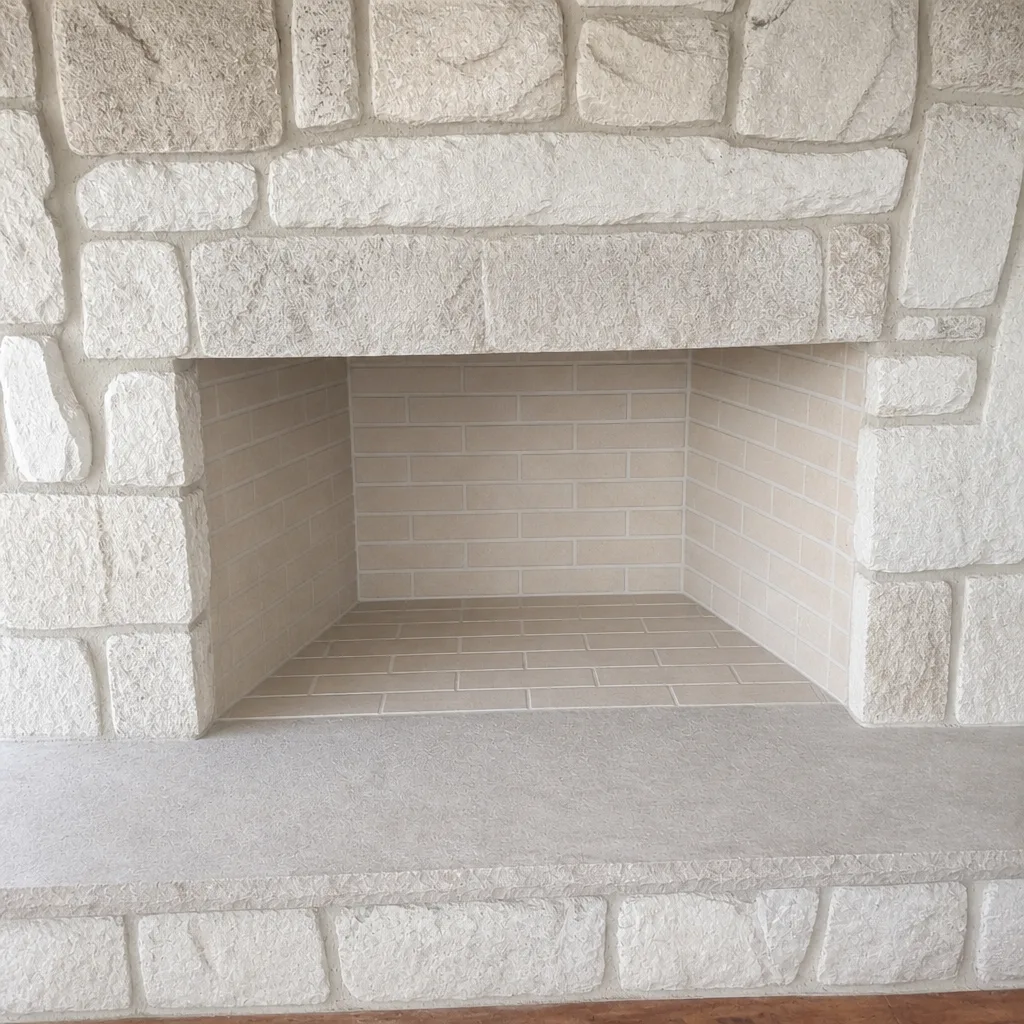
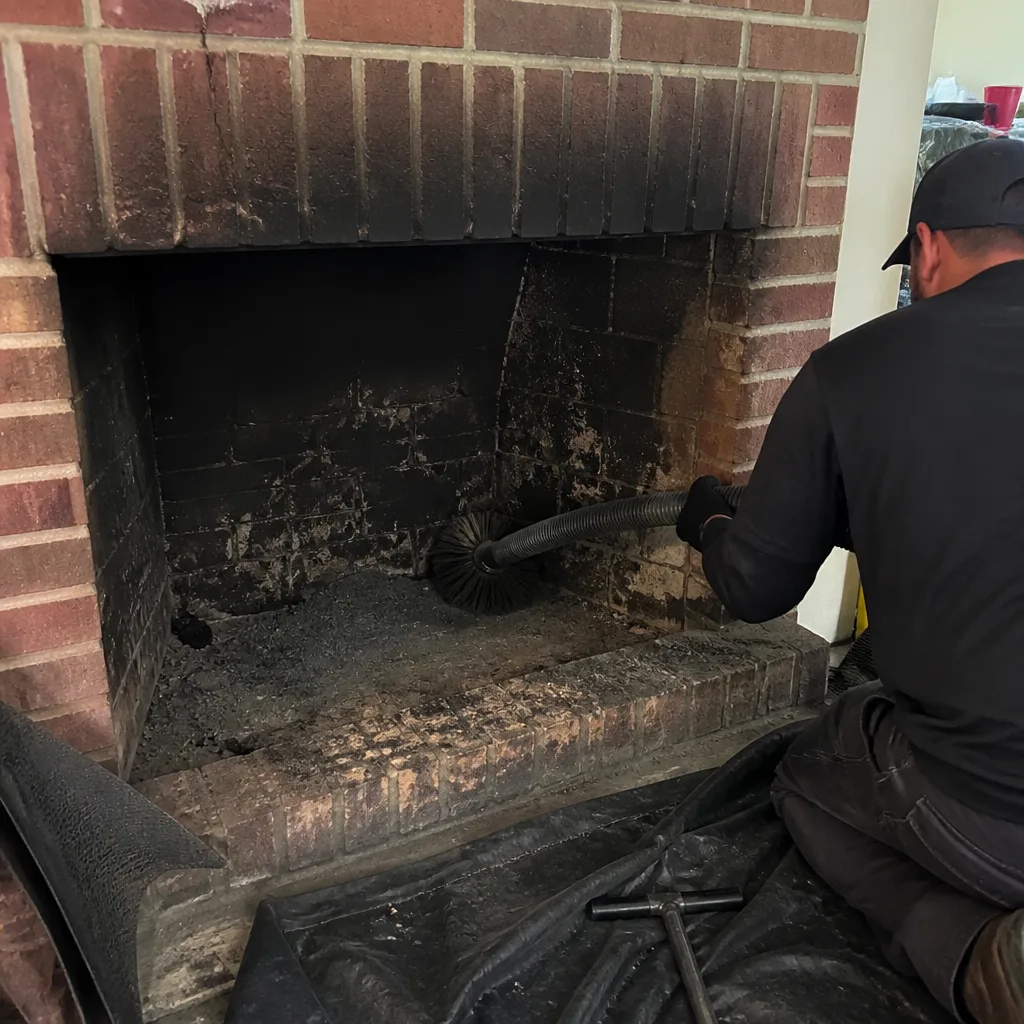
See the difference
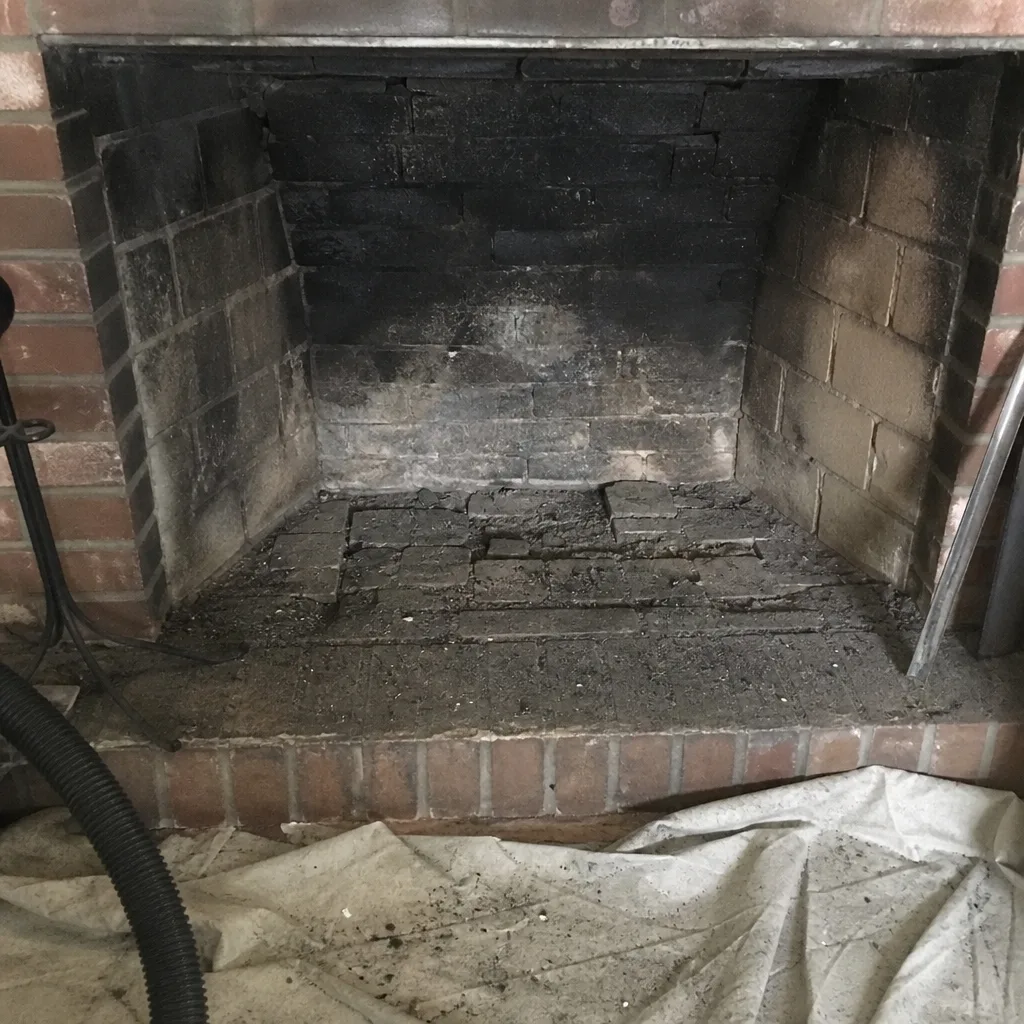 Before
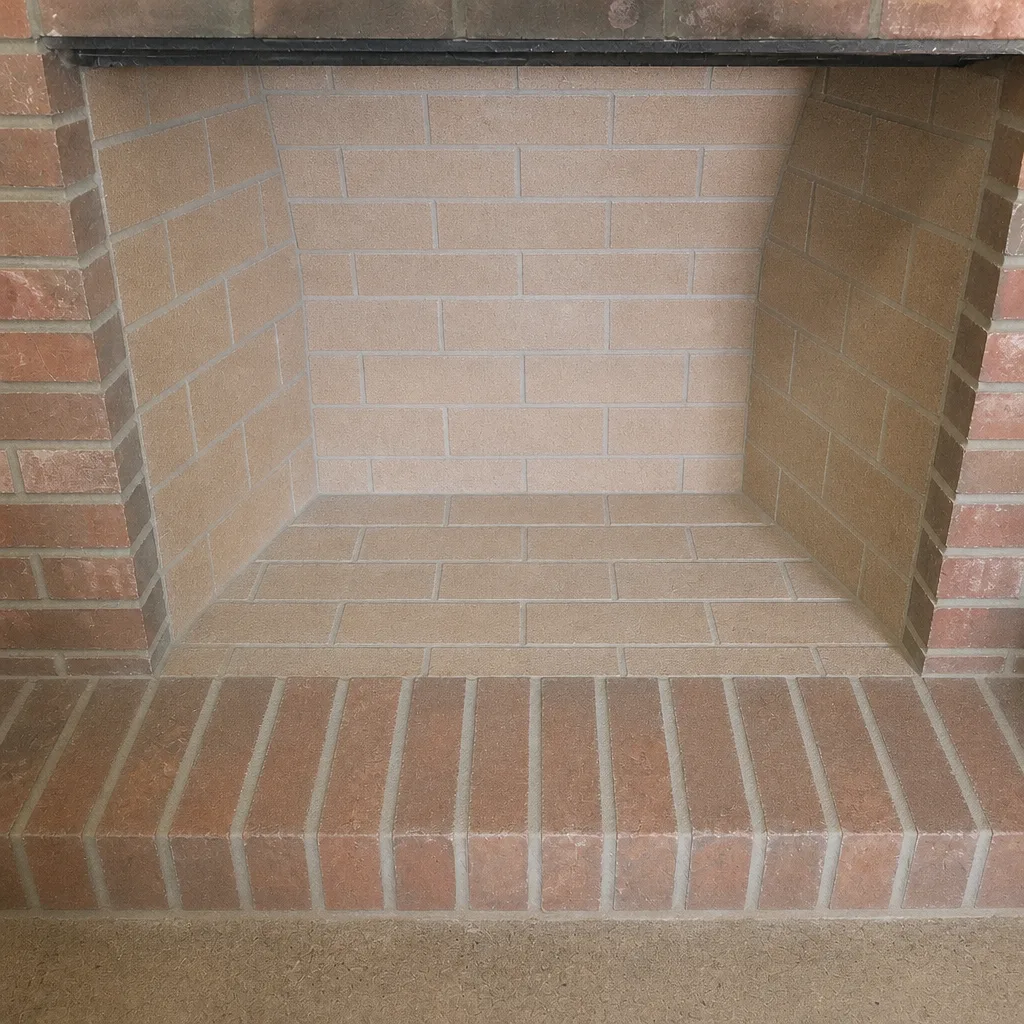 After
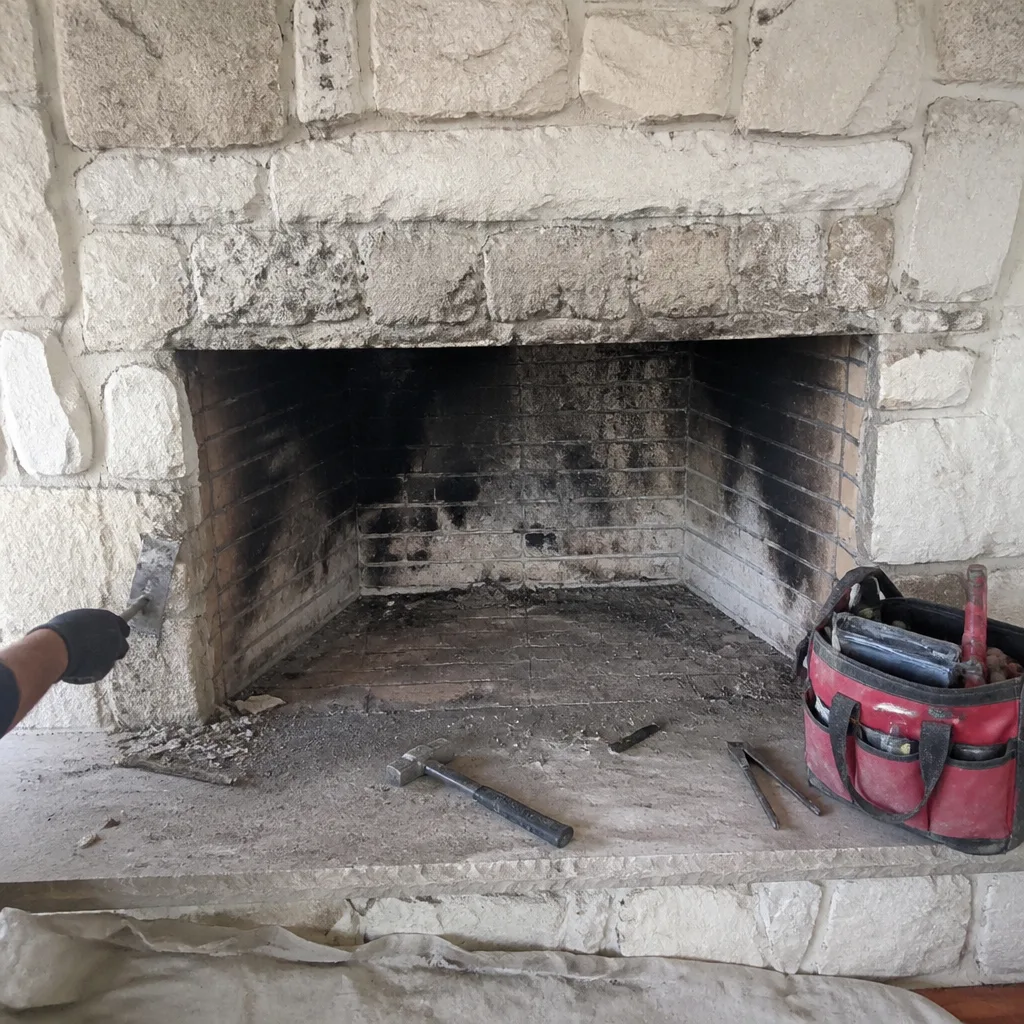 Before
 After
 Before
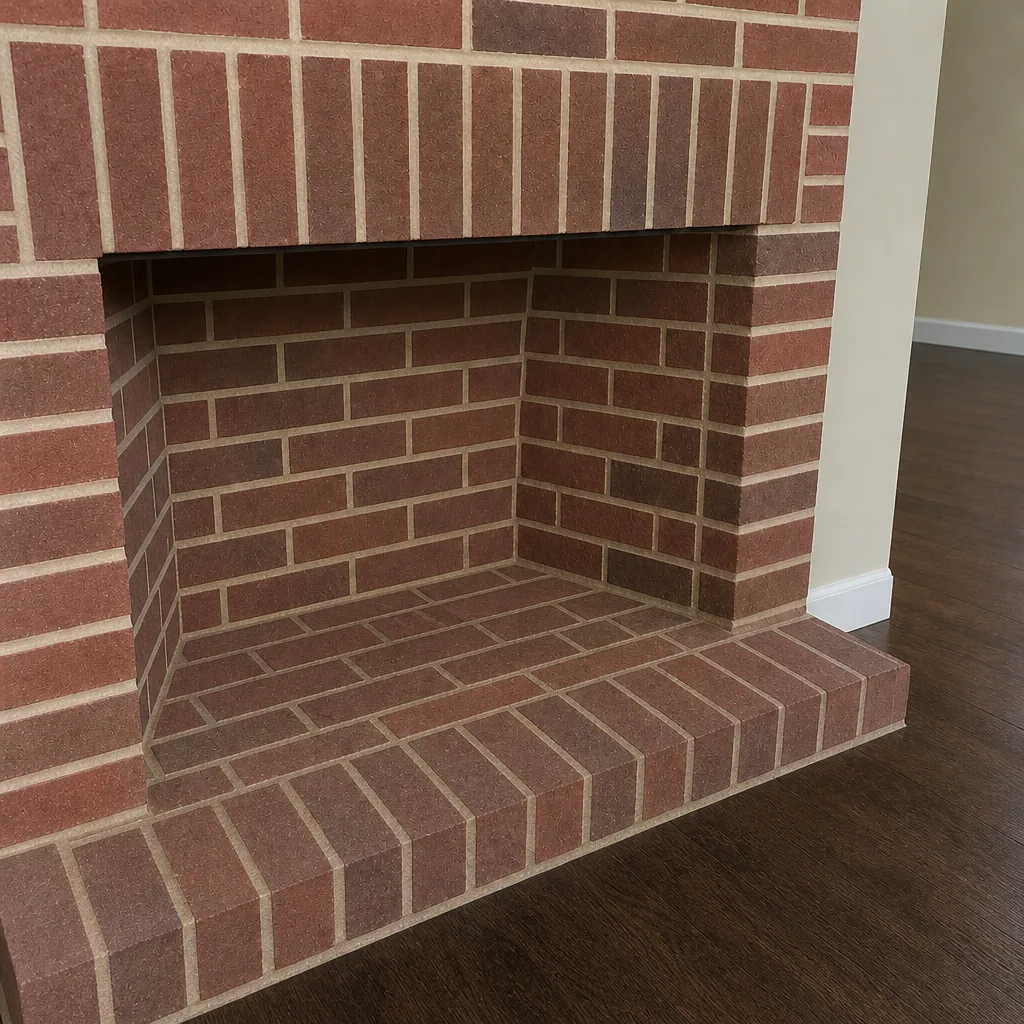 After
Common Mistakes to Avoid
- Treating a smell as cosmetic. Air fresheners and sprays mask the signal without diagnosing it. The three smell categories we described above point to completely different mechanical conditions, and covering one up with a candle doesn’t change the condition.
- Assuming efflorescence means a bad batch of brick. White staining on a Pembroke Pines chimney almost always reflects water movement through the masonry, not a defect in the brick itself. Sealing the surface without finding the entry point traps the water and makes the damage worse.
- Confusing a wide crack with a hairline crack. Whether a crown crack is “just settlement” or “structurally significant” depends on displacement and slope, not just the presence of a line. A crack that’s widening between seasons is a structural problem, no matter how thin it was when you first saw it.
- Burning through a pest problem. Nesting material in a flue is a fire hazard. Lighting a fire to “clear out” a bird nest can ignite debris above the damper. Get the flue cleared first, then find out how the animal got in and fix the cap.
- Basing repair choices on the cheapest quote. A liner replacement quote that’s dramatically lower than the rest is usually a lower-grade liner or a pad-and-patch repair. Ask what material the liner is and who manufactured it. A professional chimney contractor specifies it directly.
- Skipping the inspection because “the sweep is fine.” A sweep and an inspection are two different services. A cleaning can reveal obvious problems, but a proper inspection looks at the whole system – liner, crown, cap, flashing – and documents each. Skip the inspection and you may not know a crown has separated until water is already inside the flue.
- Assuming summer is a safe time to ignore the chimney. In our humid climate, the off-season is when odors are strongest, because the temperature difference reverses the draft. A creosote smell in July isn’t a smaller problem than one in January – it’s the same problem, more noticeable.
Frequently Asked Questions
Once a year for a wood-burning fireplace or insert that’s used regularly, and more often if you burn heavily or see visible soot buildup in the firebox. Schedule it before the first fire of the season so the flue is clear and the cap and crown get checked before they’re needed. A chimney sweep appointment in Pembroke Pines also gives you a natural checkpoint to review any warning signs you’ve noticed.
It means air is moving down the flue instead of up, and the specific smell tells you which of three conditions is causing it. A sharp, tarry smell is a creosote deposit signal. A musty, earthy smell is moisture in the masonry. A stale ash smell that clears when the HVAC fan runs is a pressure imbalance. Each points to a different action, and an inspection distinguishes them in minutes.
On a newly built chimney, light efflorescence can appear and then clear as the masonry cures. On an older chimney, fresh or increasing white staining is a change signal, not a cosmetic issue. It means water is moving through the masonry, and the entry point needs to be found and closed off. Clean the surface and you’ll usually see the staining return within a season.
No, if the crack is thin, the two sides of the crack line up, and the crown still slopes away from the flue. That’s a maintenance item to schedule. Stop using the fireplace and call a professional if the crack has widened, the crown is displaced, a piece is spalling, or the crown is sloping toward the flue.
Birds, roof rats, squirrels, birds of prey in the winter, and insects like cluster flies, wasps, and roaches. In our mild climate, this isn’t a seasonal problem – it’s year-round. Any scratching, chirping, or flapping from the chimney after dark needs a call. So does any nesting material you can see at the damper or in the firebox. The fix is often a properly fitted cap and a full flue cleaning to clear whatever’s already inside.
Yes. The repeated humidity, frequent warm-season rains, and year-round pest activity drive masonry water damage and wildlife intrusion more than cold weather does. In northern climates, the biggest threat is freeze-thaw. Here, it’s persistent moisture and pests. We recommend a yearly inspection and cleaning for a regularly used fireplace, and a self-check of the crown and cap after the rainy season.
The Bottom Line
Most chimney warning signs don’t look like warnings until you understand what they signal. The smell when the fireplace is off, the white staining on the brick, the hairline crack in the crown – they’re not cosmetic. Each is a specific diagnostic record of a specific mechanical condition. Use the traffic-light framework to sort what you’re seeing. Schedule what can wait. Stop the fire for anything red. And get the inspection first, so a repair recommendation is based on what’s actually there rather than what a technician assumes. The team at Pembroke Pines Monarch Chimney Sweep is available for the diagnosis part before anything gets prescribed. Call (855) 701-1714 for a free estimate and put the warning signs in front of someone who can actually read them.
Written by the team at Monarch Chimney Sweep.