
Last updated November 15, 2026
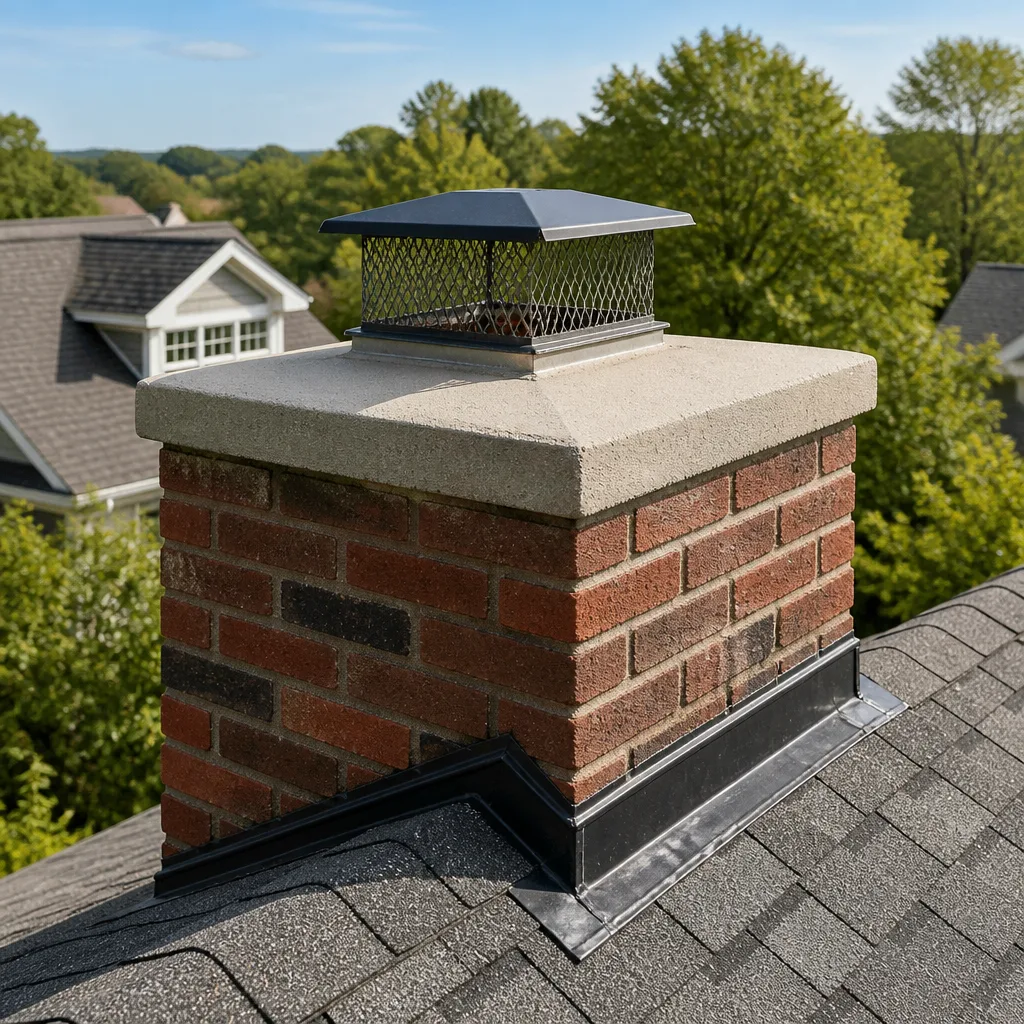 Sweep & inspection
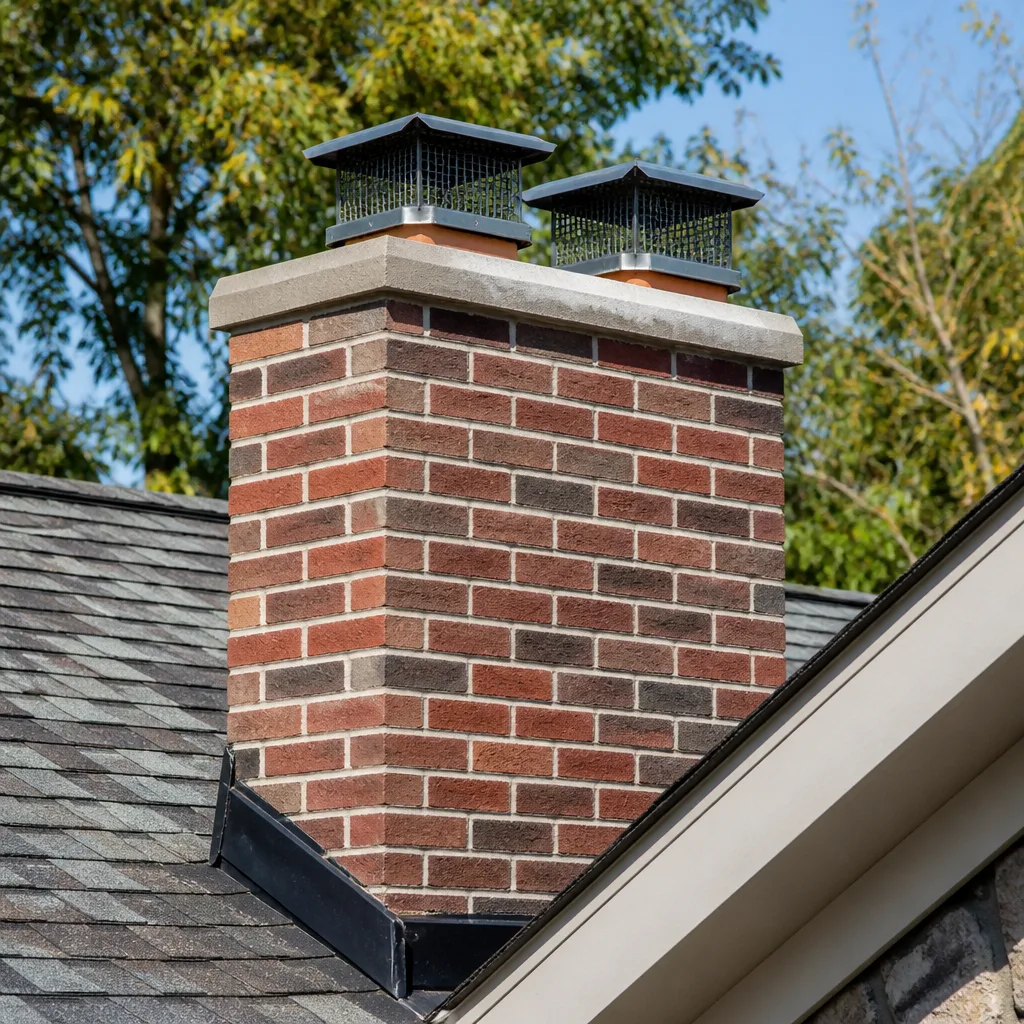 Caps & crowns
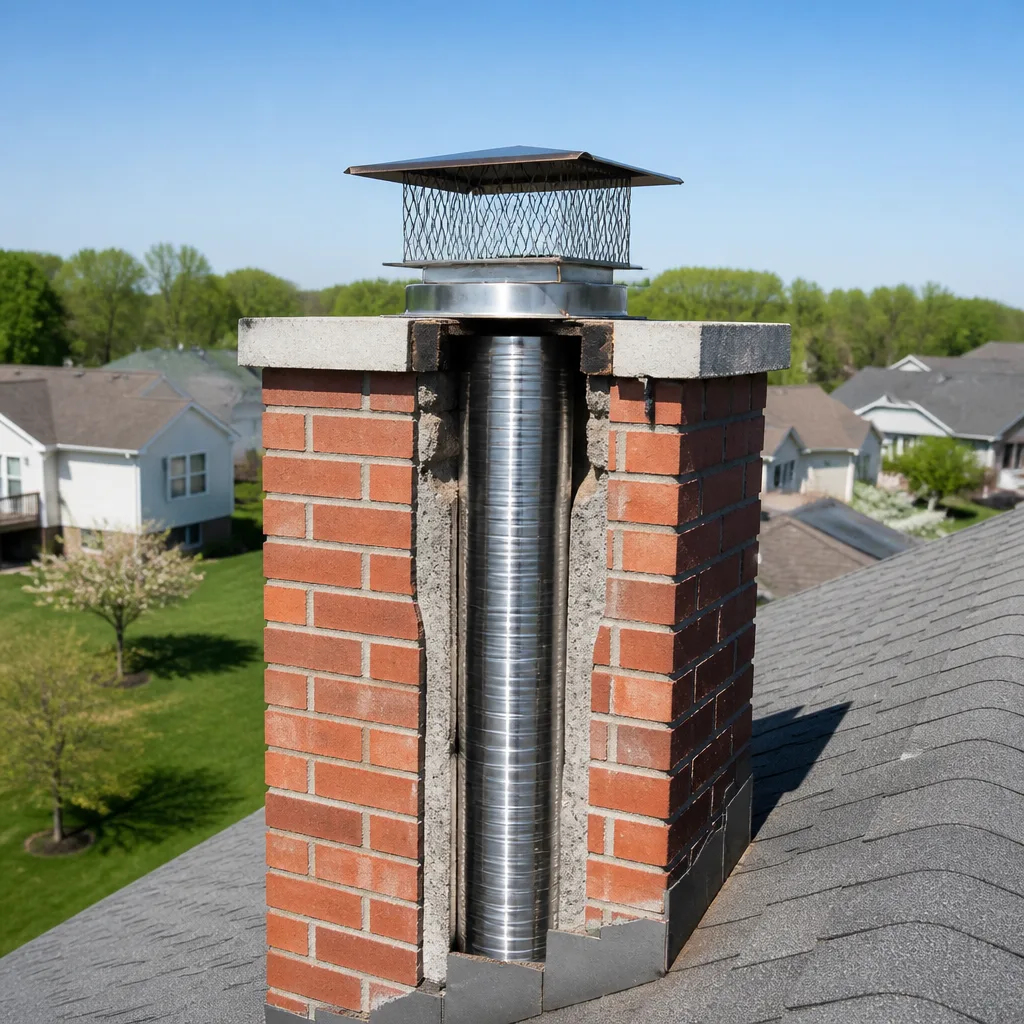 Flue relining
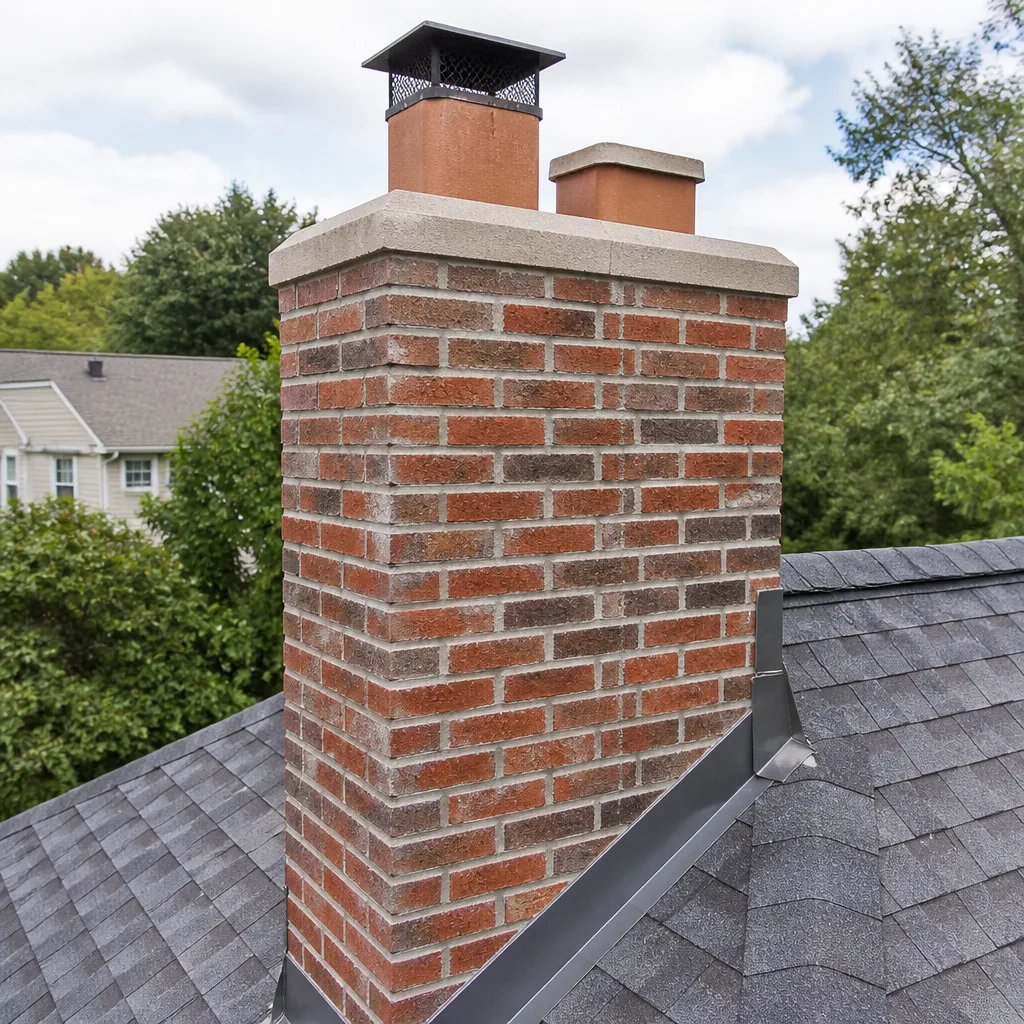 Masonry repair
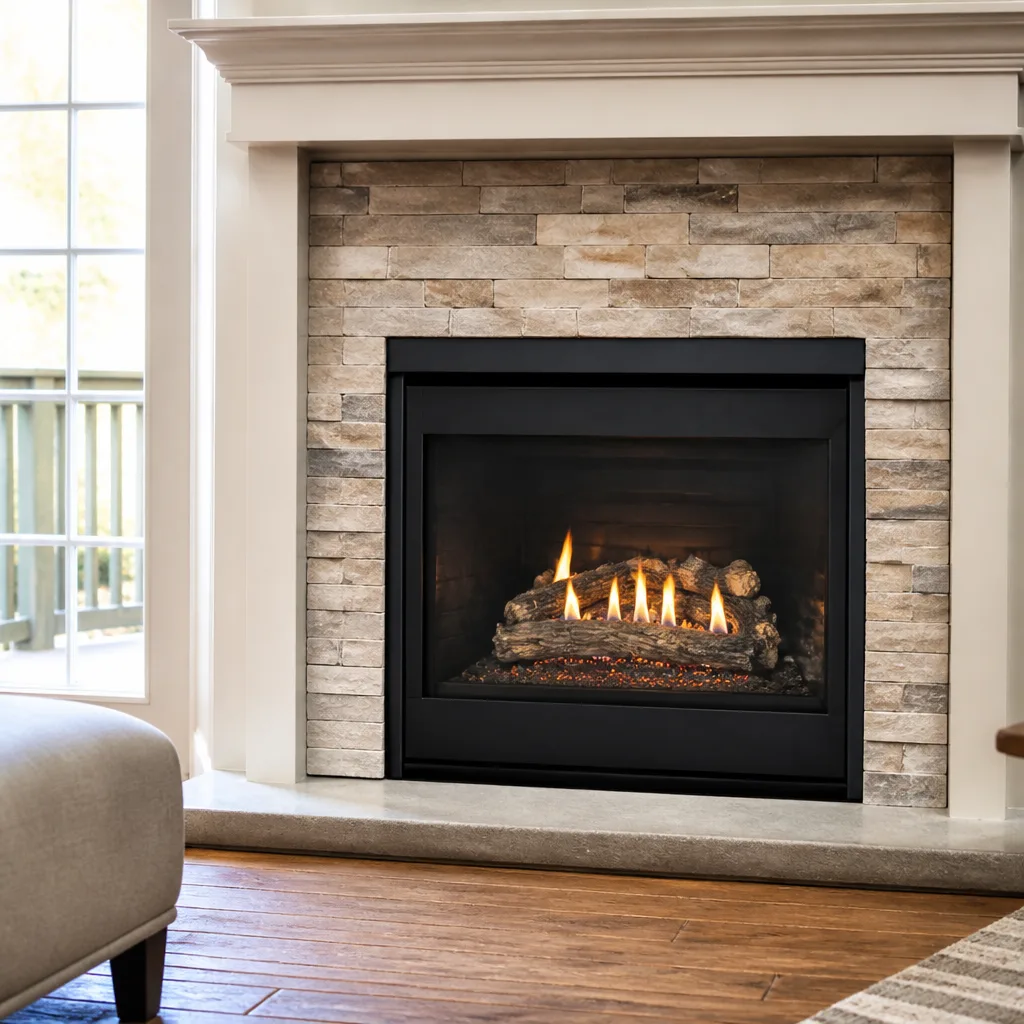 Gas fireplace service
Level 1 sweep and inspection to the NFPA 211 annual standard - flue, crown, cap, and flashing checked and photographed
Chimney sweep logs do not sweep chimneys. They loosen some creosote - which then falls where a brush and vacuum still have to collect it.
Chimney Cleaning Emergency Preparedness Guide for Pembroke Pines Homes
Most people picture a chimney fire as flames roaring out of the fireplace, and that picture is the reason so many homes are unprepared. In our experience, the chimney fires that do the most damage are quiet: a low rumbling in the flue, a wall that feels hotter than it should, a faint smell of smoke in a room where no fire is burning. The first sixty seconds after you notice something wrong decide whether the damage stays inside the flue or spreads into the framing. This guide walks Pembroke Pines homeowners through chimney fire response, post-fire inspection, hurricane-season preparation, and the question of what actually counts as a chimney emergency.
Quick Answer
If you suspect a chimney fire in Pembroke Pines, stop adding wood, close the glass doors if you have them, and leave the house before calling 911 from outside. After the fire department clears the chimney, do not burn again until a professional inspection confirms the flue liner and nearby framing are intact. Preparing for hurricane season is a separate job that belongs in the same plan: secure the cap and crown before a storm, inspect the chimney after, and document its condition before the season starts.
Styles & brands we work with
- Sweep & inspection
- Caps & crowns
- Flue relining
- Masonry repair
- Gas fireplace service
Table of Contents
- Why a Chimney Fire Doesn’t Always Show Flames? Two Scenarios Pembroke Pines Homes Face
- What to Do in the First 60 Seconds of a Chimney Fire
- What Must Happen After a Chimney Fire Before You Burn Again
- How Do You Prepare a Chimney for Hurricane Season in Pembroke Pines?
- What to Check After a Storm Passes
- How to Document Chimney Condition Before Storm Season for Insurance
- What Counts as a Chimney Emergency versus a Priority Repair?
- How Do you Get Ready Before Burn Season Starts?
Why a Chimney Fire Doesn’t Always Show Flames? Two Scenarios Pembroke Pines Homes Face
Pembroke Pines has two distinct chimney seasons, and most homeowners know how to prepare for neither. There’s the burn season, the stretch when a fireplace actually gets used, when the risk is a slow-burning flue fire that never shows itself as a fire. Then there’s hurricane season, when wind-driven rain and flying debris can damage a cap, crack a crown, or push water into a flue that was never meant to hold it. These are two different emergencies requiring two different preparations. The mistake is treating them as one thing, or worse, as a single annual errand that a general handyman can handle.
A chimney fire burns inside a flue, working from the inside of a masonry column, and the fuel is creosote, a tarred residue that builds up every time you burn wood. A dense, deep creosote deposit can catch without a visible flame and carry on for minutes before anyone notices. A hurricane puts stress on the outside of the same structure: the cap, the crown, the flashing, the masonry joints. Both scenarios end at the same place, which is a professional inspection, but the response is entirely different.
Pembroke Pines is a suburban city with a housing stock that runs from newer stucco subdivisions to homes from earlier decades with masonry fireplaces and, in some cases, wood-burning inserts. If you have a fireplace or insert in Pembroke Pines, this guide applies to you. If you have a gas appliance, the venting side still has its own risks, and the same discipline applies: inspect first, then decide. That’s how we approach every job.
- Burn-season risk: creosote ignition, soot obstructions, and flue fires that stay hidden inside the masonry.
- Hurricane-season risk: wind damage to caps and crowns, water intrusion through a failed seal, debris blocking the flue after a storm.
- The shared lesson: both kinds of damage are best caught by inspection before they become an emergency, not after.
What to Do in the First 60 Seconds of a Chimney Fire
The first minute is about getting the fire’s fuel supply cut off and the people out of the house, in that order if you can do both safely. A chimney fire needs oxygen and fuel to keep going, and the chimney needs to be treated as a life-safety system the moment anything looks or sounds wrong. Here is the response sequence, in order, before the fire department arrives.
- Stop feeding the fire. Do not add wood. Do not stir the coals. Close the glass doors or the fireplace screen if you have one, which limits the air the fire can pull.
- Close the damper if it opens and closes freely. If it doesn’t, leave it alone. Do not force it and do not stick your hand or anything else up the flue.
- Get everyone out of the house. That includes pets. A chimney fire can spread into the attic or framing, and you can’t judge that from inside.
- Call 911 from outside. Tell the dispatcher plainly that you have a chimney fire. Do not wait to see if it “settles down.”
- Do not spray water into the fireplace. Water on a hot masonry firebox can crack masonry and cause steam burns, and it doesn’t reach the flue where the fire is.
- Wait for the all-clear. When the fire department arrives, tell them what you observed: the sound, the heat, the smell, how long it lasted.
If you notice heat radiating from a wall behind or beside the chimney, or smoke in a room with no fire, treat it exactly as a chimney fire. Do not go looking for the source. Leave and call 911. The rule is simple: an unfamiliar heat or smoke signature is a fire until a professional says otherwise.
The one thing not to do is burn again right after the flames seem to stop. A chimney fire is often followed by warped or cracked flue tiles, and those cracks are exactly what lets carbon monoxide and smoke into the house on the next burn. That’s the reason the second half of the protocol matters more than the first.
What Must Happen After a Chimney Fire Before You Burn Again
Every chimney fire, no matter how small or how quickly it seemed to end, requires a professional inspection before the fireplace is used again. There’s no shortcut around that. A flue fire can leave the liner cracked, shifted, or separated at a joint, with no visible sign from the firebox side. The damage is hidden inside the chimney structure, so a visual glance from the living room tells you almost nothing.
Here’s what a proper post-fire inspection covers, in our experience:
- The flue liner, checked for cracks, gaps, and separations, including at joints and the top of the flue.
- The cap, crown, and flashing, checked for damage from the heat and for displaced parts.
- The masonry joints, checked for spalling or cracking that could let smoke and carbon monoxide reach the framing.
- The firebox and damper, checked for distortion from the heat.
- The attic and the roof area near the chimney, checked for any sign that heat or smoke escaped.
If the inspection finds a damaged liner, we work with DuraFlex flexible liner systems to re-line the flue, and with HeatShield for resurfacing a deteriorating liner when the existing structure is sound enough to restore. Those are the same materials used by master masons and certified chimney installers. A generalist with a brush doesn’t carry either.
If the inspection finds the flue intact, you get that finding in writing. The point of an inspection isn’t to find work, it’s to know what you have. Either way, you’ll have a documented condition report and a clear answer on whether the fireplace is safe to use. For a full inspection in Pembroke Pines, we start every job with that step, because the diagnosis comes before any recommendation. “Inspect first, recommend second” isn’t a slogan here. It’s the process.
How Do You Prepare a Chimney for Hurricane Season in Pembroke Pines?
Hurricane preparation for a chimney is mostly about securing what the wind can grab and sealing what the rain can reach. Pembroke Pines sits squarely in hurricane country, and the same storm that takes down a tree limb can drop it straight onto a chimney cap. Start at the roof line and work down.
- Check the cap. A cap that’s already rusted through, loose, or missing a screen is the first thing wind will lift. A cap and damper solution sourced from Gelco or Copperfield will hold up where a hardware-store substitute doesn’t.
- Inspect the crown. The concrete crown at the top of the chimney should shed water away from the flue. Any crack, even a hairline crack, lets rain in during a driving storm. A cracked crown gets repaired before the season, not after.
- Check the flashing. The metal flashing where the chimney meets the roof is a classic leak point. If it’s lifted or rusted, it’s a storm water intrusion waiting to happen.
- Look for loose masonry. Spalling brick or crumbling mortar is a wind risk and a water risk at the same time.
- Trim nearby limbs. A limb that overhangs the chimney is a projectile in high wind. Keep the branches clear of the flue.
- Close the damper when a storm is coming. A closed damper limits the wind-driven rain that can enter through the flue.
If you have a wood-burning insert, the same checklist applies to the insert’s venting. If your chimney hasn’t been inspected since the last burn season, the pre-storm window is the time to do it, because you can’t inspect a chimney in a storm and you shouldn’t climb a roof after one. A professional inspection before the season is the safest move for most homeowners.
Most of these items cannot be checked safely from a ladder you carry out of the garage. A chimney crown inspection at roof level is a fall risk for anyone without the right equipment, and a chimney cap that’s been wind-shifted needs to be looked at by someone who knows what a proper installation should look like. That’s one of the reasons we recommend a professional look before each season.
What to Check After a Storm Passes
After a storm, check the chimney from the ground level first, and don’t get on the roof. A post-storm roof inspection is a fall risk, especially while the surface may still be wet, and the chimney itself can look fine from the ground while the flashing has lifted or the cap has shifted. What you can see safely is enough to tell you whether a professional visit is needed.
- Look at the cap and the top of the chimney from the ground. Is anything tilted, missing, or sitting wrong?
- Look for new masonry on the ground around the base of the chimney. Fallen brick or mortar means the structure was damaged.
- Look for stains on the ceiling or walls near the chimney chase inside the house. A brown ring means water got in.
- Smell for smoke in a room where no fire has been lit. That can signal a displaced or blocked flue.
- Check for debris in the firebox. Wind-driven material can find its way through an open damper.
If you see any of these, the chimney needs a professional inspection before you use it again. If you see damage to the cap or crown, that falls into the same category. For a chimney repair in Pembroke Pines, a documented inspection is the starting point, because a repair built on a guess is a repair that fails. Water intrusion through a cracked crown is one of the most common post-storm findings we see, and it’s also one of the cheapest problems to catch early and one of the most expensive to leave alone.
Do not attempt to reinstall a shifted cap or patch a crown yourself after a storm. The parts have to sit correctly for the cap to do its job, and the wrong repair leaves a gap where the next storm goes in.
How to Document Chimney Condition Before Storm Season for Insurance
Insurance claims go more smoothly when you can prove the difference between normal wear and storm damage. That’s the reason we tell homeowners to get a documented inspection before storm season rather than after. A written record of the chimney’s condition, with photos of the crown, cap, flashing, and flue, establishes a baseline. If a storm later damages any of it, you have something to show your insurer beyond a current photo of a broken chimney.
Here’s what a useful pre-season record includes:
- Photographs of the chimney from the ground, from the roof line, and of the cap and crown from up close.
- A written description of the flue condition, the liner, and the firebox.
- Notes on existing cracks or wear, so normal aging isn’t confused with storm damage.
- A dated inspection report, which is the document your insurer will most likely want.
Photographs you take from the ground are a good start, but they can’t show the flue interior or the condition of the cap from the right angle. A professional inspection report covers what a phone camera misses. If you’re planning to make a claim down the road, the report is the record that supports it.
It’s also worth knowing that the whole process is calmer when the baseline already exists. If you call a professional after a storm with a report from before the season, the conversation is about a specific, documented change. That’s easier than trying to prove what a chimney looked like a year ago from memory.
If you’re in Pembroke Pines and want a documented inspection before hurricane season starts, we can provide that. No repair is recommended without evidence you can see for yourself, and if the inspection finds a sound chimney, you’ll get a report and a clear answer that nothing needs doing.
What Counts as a Chimney Emergency versus a Priority Repair?
A chimney emergency is anything that puts fire, smoke, or carbon monoxide where it doesn’t belong right now. A priority repair is a problem that will cause damage or risk if left, but not tonight. The distinction matters because it keeps you from panicking over a cracked crown on a clear day and from underreacting to a smoke smell indoors.
Treat as an emergency:
- Any chimney fire, whether you saw flames or not.
- A strong smell of smoke indoors with no fire burning.
- A carbon monoxide alarm going off with a fireplace or wood stove in the home.
- Visible heat or discoloration on a wall or ceiling near the chimney.
- A chimney cap or masonry section that’s visibly detached after a storm.
Priority, not emergency:
- A cracked crown that’s shedding water, found on inspection or from the ground in dry weather.
- A liner that a previous inspection noted as deteriorating but still intact.
- A damper that sticks or doesn’t close fully.
- Routine creosote buildup before the burn season.
What classifies as urgent is the presence of a fire, smoke, or gas where it shouldn’t be, not the severity of a visible defect. If you’re unsure, the safe call is to treat it as an emergency, get out, and call 911 if smoke or fire is present. Call (855) 701-1714 for a professional opinion when it’s a defect and not a live fire. We answer 24/7, with fast dispatch from 7am to 7pm, Sunday through Friday, and we’re closed on Saturday. A call outside dispatch hours is booked into the next opening, Sunday through Friday, 7am to 7pm.
How Do you Get Ready Before Burn Season Starts?
The best emergency preparedness is a chimney that never becomes an emergency. Before you light the first fire of the season, have the chimney inspected and, if there’s buildup, swept. Creosote is the fuel a chimney fire burns, and it accumulates quietly every time the fireplace is used. A professional sweep removes it and a professional inspection confirms the flue can handle another season. For a chimney sweep in Pembroke Pines, the inspection comes first, and the sweep follows only if the flue needs it.
Our technicians have up to 8 years of experience, and they see the same pattern on many homes: fireplace used more than the owner realizes, flue never inspected, creosote load a surprise. The fix is annual. Sweep when the flue is dirty, inspect every year, and repair only what the inspection actually documents.
For households in the older parts of Pembroke Pines with masonry fireplaces, the annual visit covers the full system: the flue, the cap, the crown, the damper, and the firebox. For households in the newer subdivisions with inserts or gas appliances, the venting still needs the same routine, even if the fireplace itself is gas-fired. One specialist for the full chimney system is a simpler plan than a dusting of separate trades, and the diagnosis is documented either way.
If it’s been a few seasons since the last look, start with a chimney inspection and let the findings set the schedule. If the inspection finds structural problems, we handle chimney repair in-house using professional-grade materials, with no referral to a separate contractor. Every job pathway starts with an inspection, and the repair is the step that comes only after a documented finding.
Common Mistakes to Avoid
- Waiting for visible flames before acting. A quiet rumbling in the flue is still a chimney fire. The fire department should be called before the fire has a chance to grow, not after you’ve convinced yourself it’s probably nothing.
- Burning again after a chimney fire without an inspection. A cracked or displaced liner can leak smoke and carbon monoxide into the home on the next burn. The fire looks over, but the danger isn’t.
- Ignoring the chimney during hurricane prep. Screens on windows and shutters on sliders get all the attention, and the chimney cap and crown get none. A loose cap is a wind projectile, and a cracked crown is an open door for rain.
- Getting on the roof after a storm to “take a quick look.” Post-storm roofs are a fall risk for anyone without the right training and equipment. Look from the ground and let a professional check the rest.
- Skipping the pre-season inspection because the fireplace “works fine.” A fireplace can work fine and still have a creosote load or a hairline liner crack that doesn’t show in normal use. The inspection is about what normal use isn’t revealing.
- Taking the cheapest chimney cap or damper on the shelf. A substitute that rusts in a season winds up costing more than the proper part. A Gelco or Copperfield part is built for the job.
- Treating a smoky room as a nuisance. Smoke backing into the living room means the draft or the flue is compromised. That’s a call-worth problem, not something to live with.
- Keeping no record of the chimney’s pre-storm condition. When a storm hits and the roof is damaged, the homeowner with a dated inspection report has proof of the difference between old wear and new damage. The homeowner without it has a dispute.
See the difference
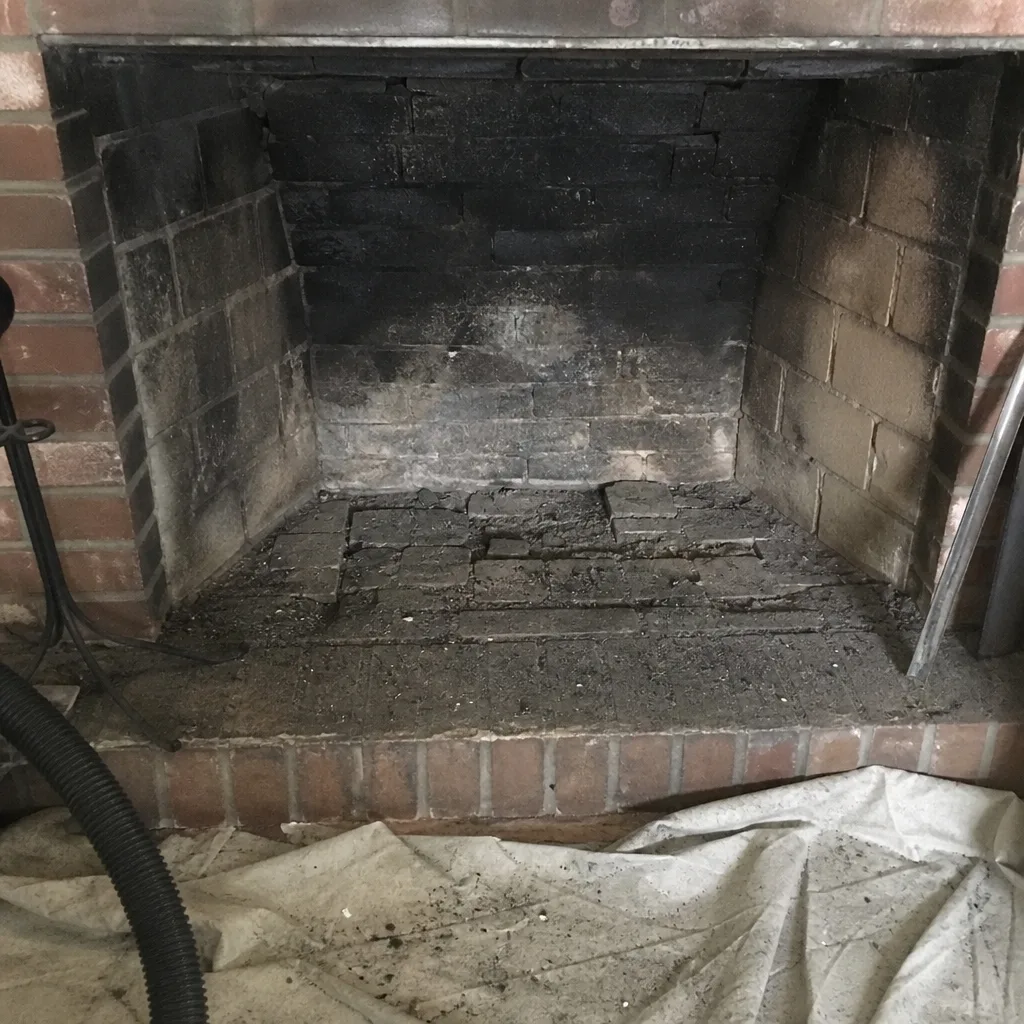 Before
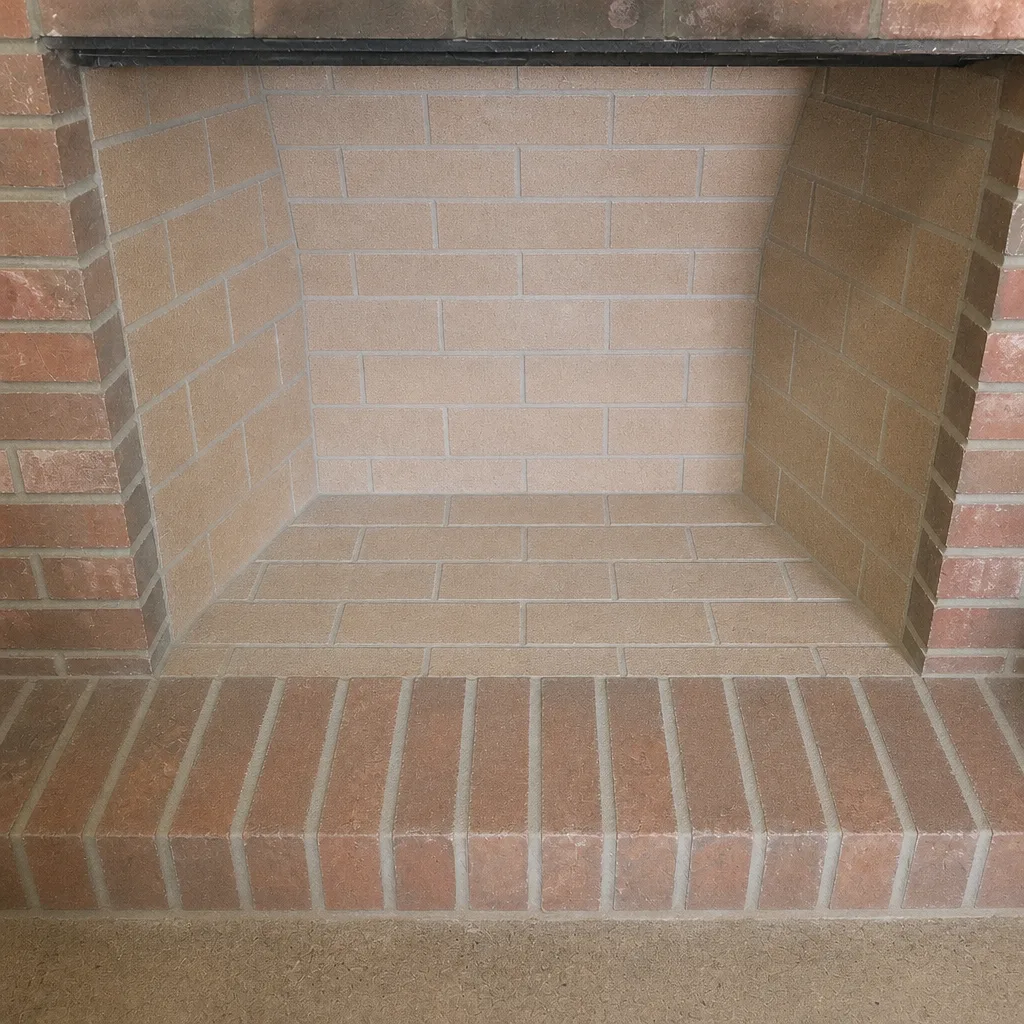 After
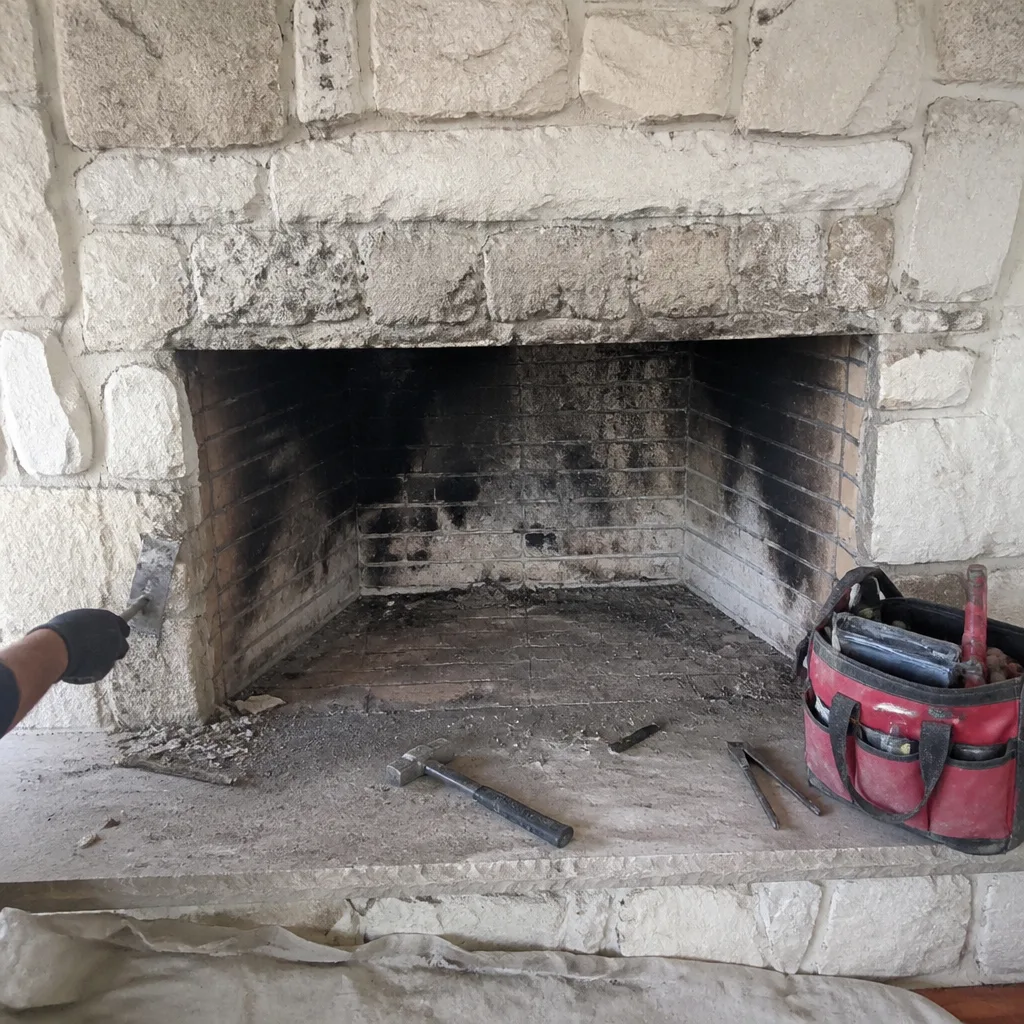 Before
 After
 Before
 After
When to Call a Professional
Call a professional if you’ve had any chimney fire, even one that seemed to end as fast as it started. Call if you smell smoke indoors with no fire going, or if a carbon monoxide alarm has gone off in a home with a fireplace or wood stove. Call if a storm has left loose masonry, a shifted cap, or water stains near the chimney chase. Call before burn season if the chimney hasn’t been inspected in a year, and call before hurricane season if you want a documented baseline for insurance purposes. Call after any storm that dropped a limb near the chimney, since a cap can take a hit that’s invisible from below.
Monarch Chimney Sweep offers free estimates in Pembroke Pines and the surrounding area. We answer 24/7, with fast dispatch from 7am to 7pm, Sunday through Friday, and we’re closed on Saturday. Call (855) 701-1714 for a free estimate. Every visit starts with an inspection, the findings are documented before any work is recommended, and nothing is suggested that doesn’t show up in the evidence.
Frequently Asked Questions
A chimney fire can be silent or it can sound like a low rumble; either way, the reliable signs are heat radiating from the wall behind or beside the chimney, a strong smoke smell in a room where no fire is burning, and a puffed or discolored look to the surrounding masonry. If any of those appear, leave the house and call 911. If a professional inspection afterward is recommended, call (855) 701-1714 for a free estimate and a documented report.
Do not use the fireplace until a professional inspection confirms the liner and nearby framing are intact, no matter how small the fire seemed. A post-fire inspection checks the flue liner, cap, crown, and masonry for cracks and displacement that a look from the living room won’t catch. Call (855) 701-1714 to book that inspection.
Secure the cap and crown, check the flashing and masonry joints, trim any limbs overhanging the chimney, and close the damper when a storm is coming. These are roof-level jobs, so a professional visit before the season is the safer route. Call (855) 701-1714 for a free estimate on pre-season chimney preparation in Pembroke Pines.
Fire, smoke, or carbon monoxide where it shouldn’t be is an emergency; a visible defect like a cracked crown or cracked liner found on inspection is a priority repair. When in doubt, treat it as an emergency and leave the house before calling 911. For the non-emergency category, call (855) 701-1714 and we’ll give you a free estimate and a clear answer on timing.
Yes, a documented inspection before storm season gives you a dated record of the chimney’s condition, which becomes the baseline for any later storm damage claim. Photographs of the cap, crown, flashing, and flue, with a written report, are what your insurer is most likely to want. Call (855) 701-1714 to book a documented pre-season inspection in Pembroke Pines.
Yes. A liner that looks intact from the firebox can be cracked or separated at a joint higher up in the flue, and that crack is how smoke and carbon monoxide reach living space on the next burn. A post-fire inspection is the only way to know. Call (855) 701-1714 to schedule one.
The Bottom Line
Pembroke Pines homeowners face two chimney emergencies, not one: the silent flue fire during burn season and the storm damage of hurricane season. Both are easier to survive with preparation than with reflexes. The first 60 seconds of a chimney fire are about cutting off the fuel and getting out, and the first step after the fire is a professional inspection, always. Storm season prep belongs in the same annual plan, with the cap and crown secured before the season and a documented inspection on file for insurance. Inspect first, recommend second, and repair only what the evidence supports. If you’re ready to get the plan in place, Monarch Chimney Sweep offers free estimates in Pembroke Pines. Call (855) 701-1714. We answer 24/7. Fast dispatch from 7am to 7pm, Sunday through Friday, closed Saturday.
Written by the team at Monarch Chimney Sweep.