
Last updated November 15, 2026
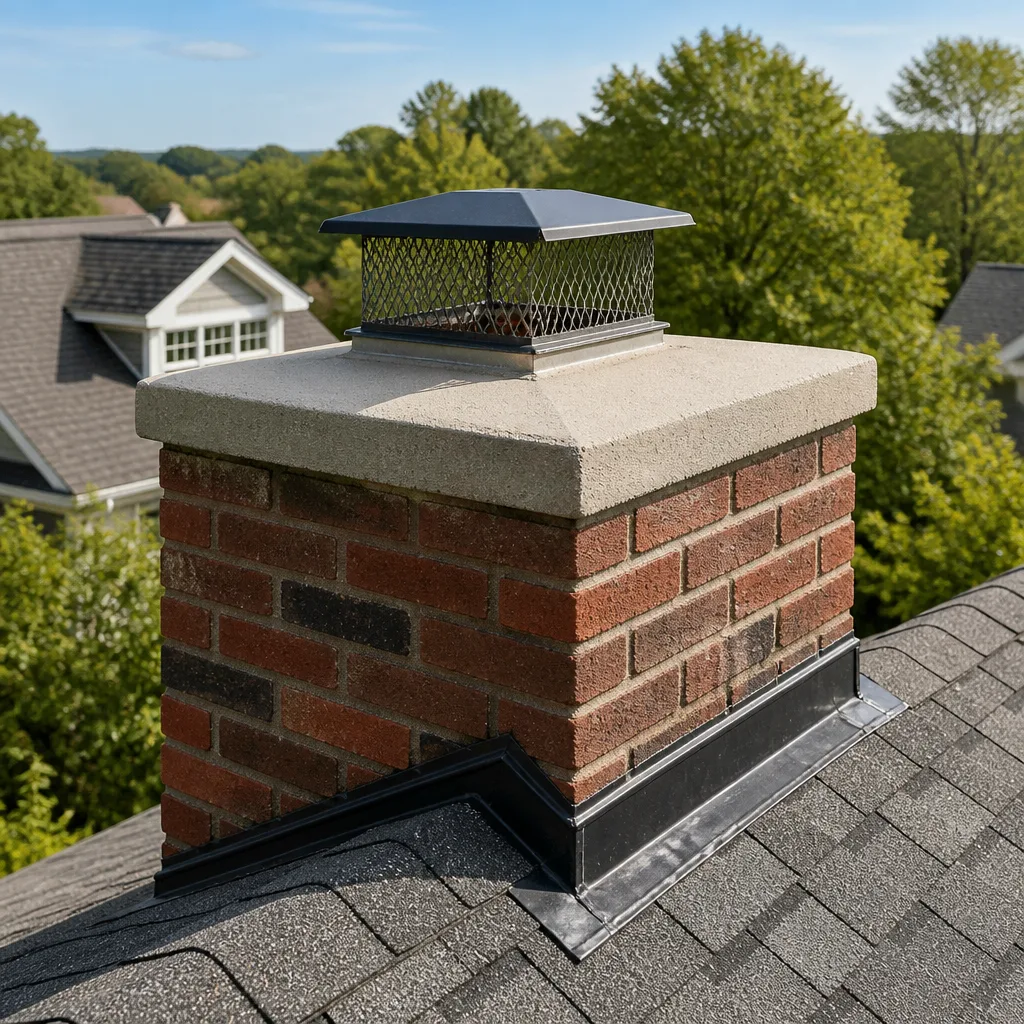 Sweep & inspection
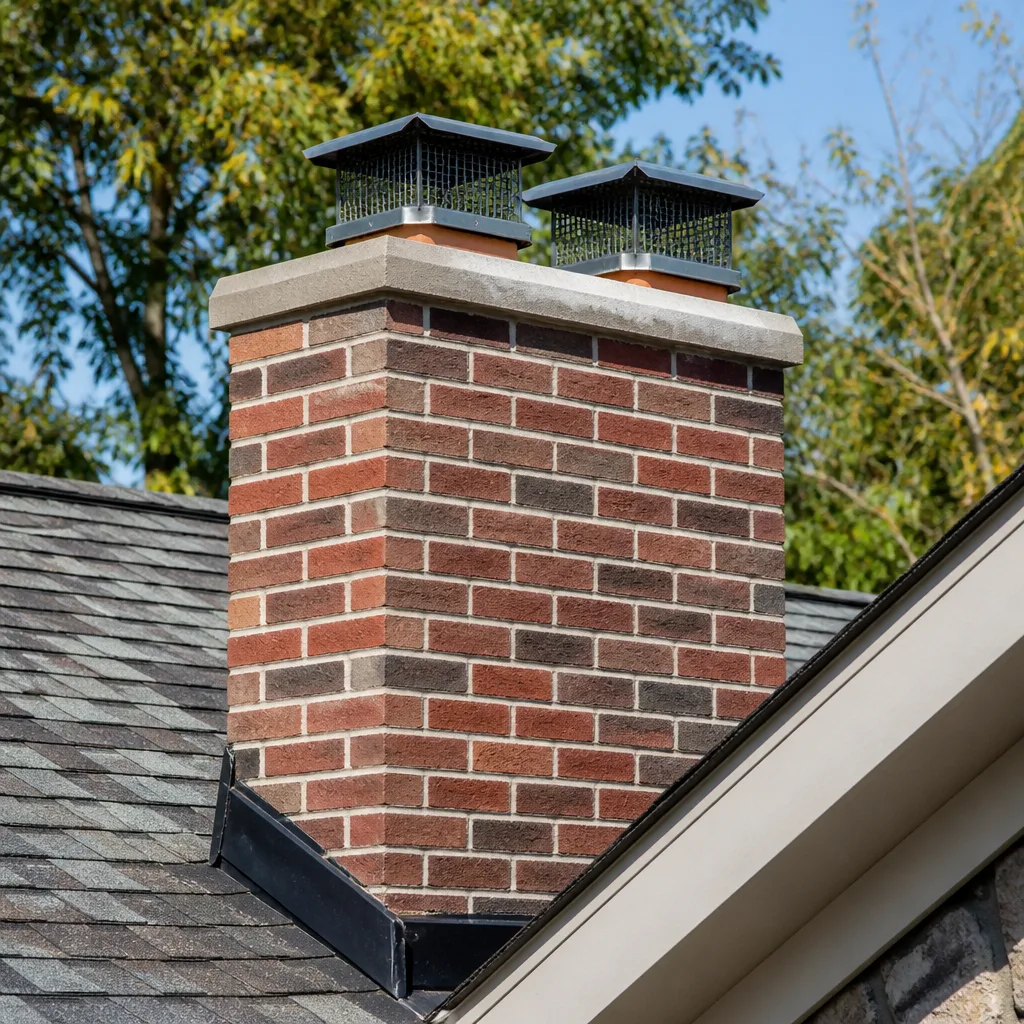 Caps & crowns
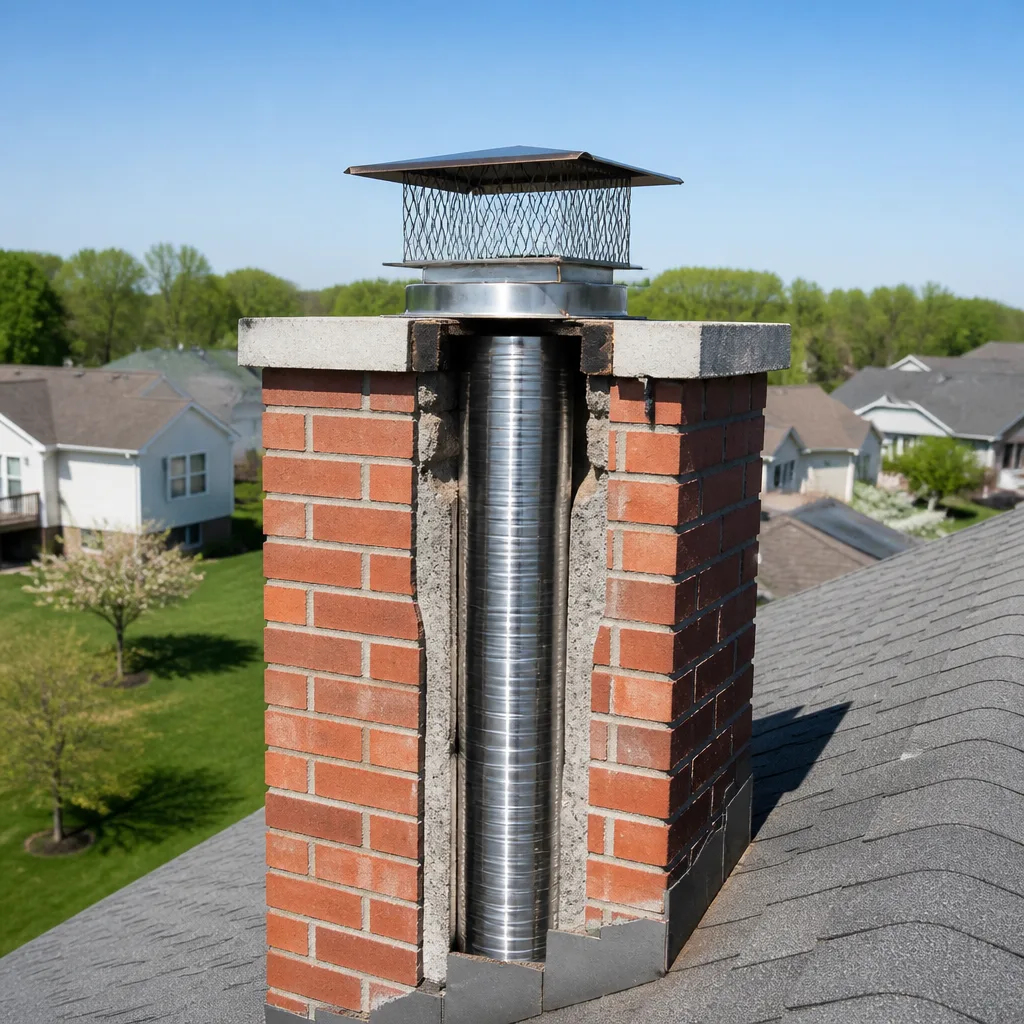 Flue relining
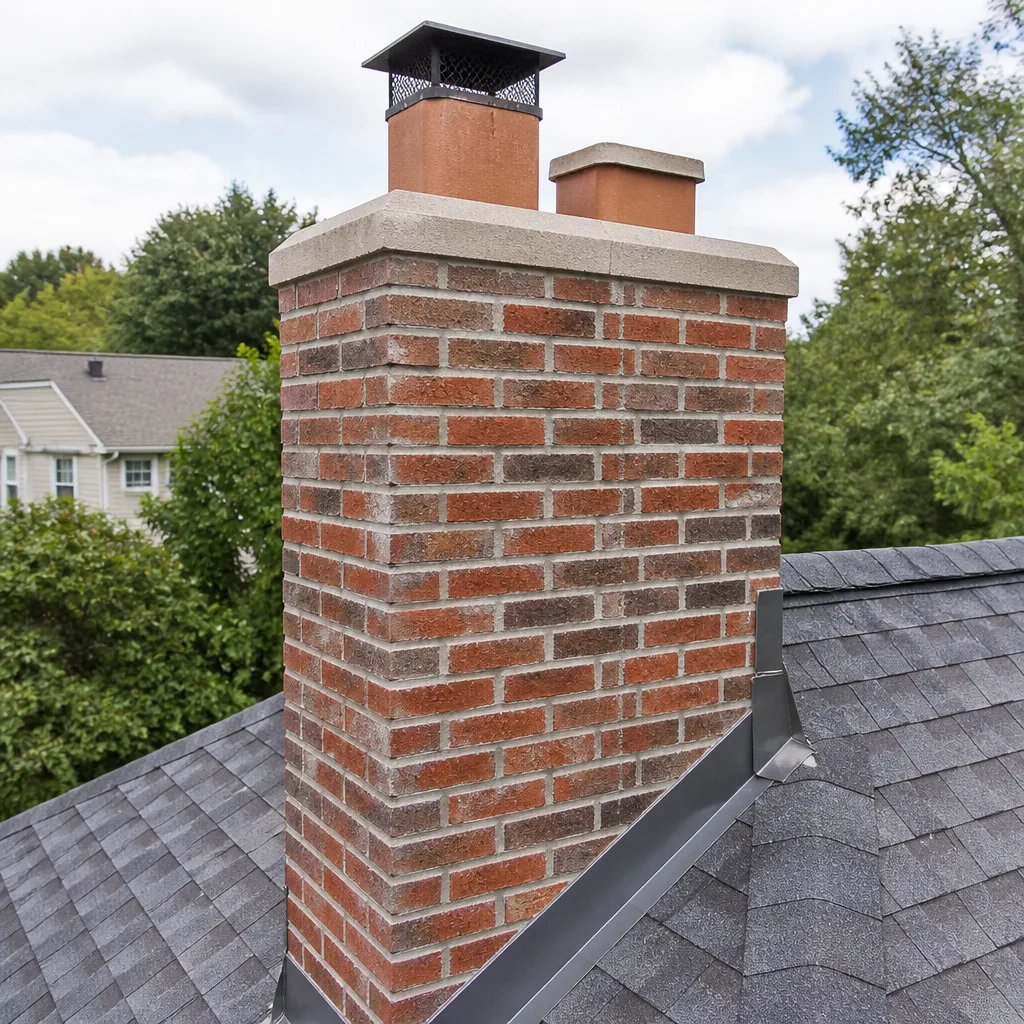 Masonry repair
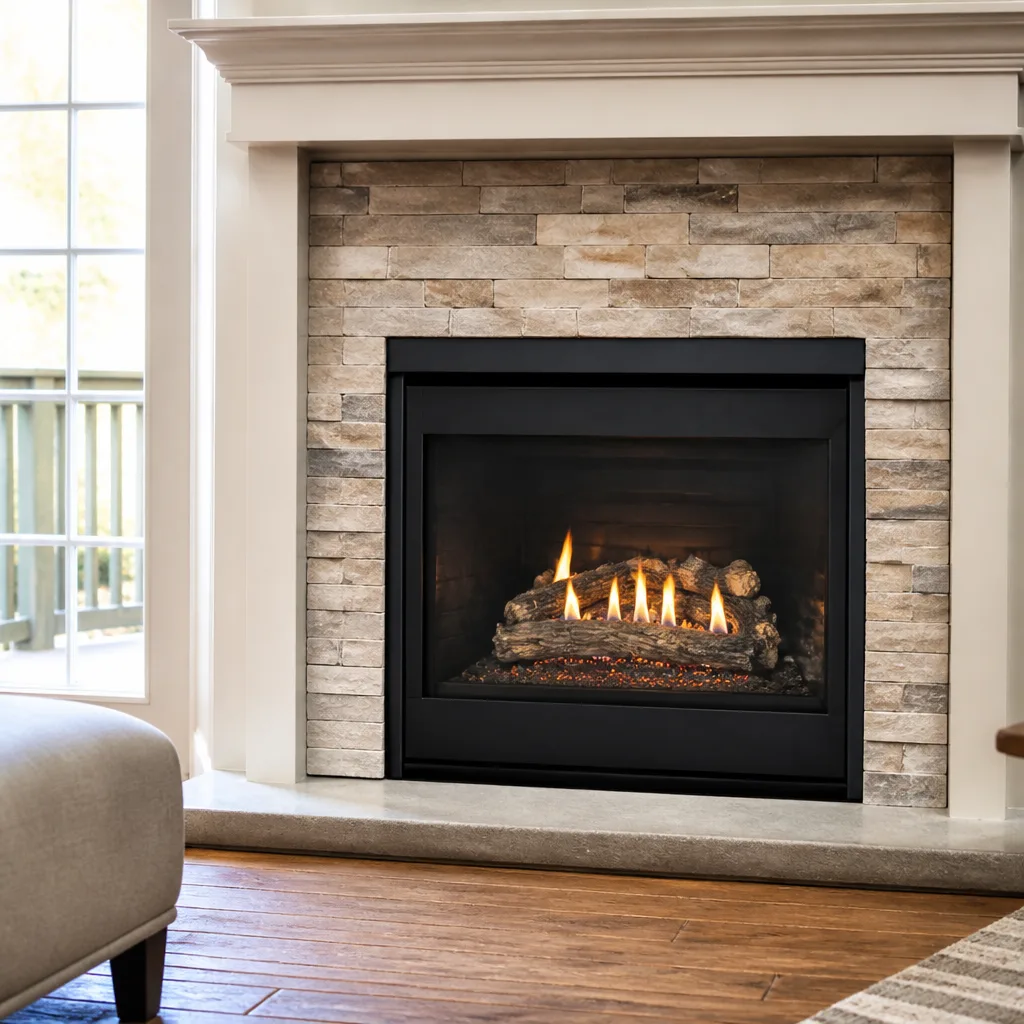 Gas fireplace service
Level 1 sweep and inspection to the NFPA 211 annual standard - flue, crown, cap, and flashing checked and photographed
Chimney sweep logs do not sweep chimneys. They loosen some creosote - which then falls where a brush and vacuum still have to collect it.
DIY vs Professional Chimney Cleaning: The Pembroke Pines Homeowner’s Decision Guide
You can physically remove creosote from a flue yourself. That part is honest, and pretending otherwise would insult your intelligence. What you cannot do from the top of a ladder or by reaching a brush up the firebox is see a hairline crack in a clay tile liner, identify Stage 2 glazed deposits baked onto the flue wall, or catch the early liner breakdown that South Florida humidity quietly accelerates between burning seasons. Those hidden conditions are the ones that actually cause chimney fires, and they’re the reason this guide exists. Below we lay out what DIY brushing genuinely accomplishes, where it stops, and how a Pembroke Pines homeowner can make a clear-eyed call. Our technicians have up to 8 years of experience, and what we’ve learned is that the decision rarely comes down to effort. It comes down to visibility.
Quick Answer
DIY chimney cleaning can remove loose soot and light creosote from an accessible flue, but it cannot reliably evaluate liner condition, detect Stage 2 glazed creosote, or verify that your venting is safe. For a Pembroke Pines home, professional cleaning plus an annual inspection is the safer default because the climate here promotes hidden moisture-driven liner deterioration that a visual-onlyn check misses. DIY is appropriate for exterior maintenance tasks like checking the cap and clearing debris; the flue itself is where professional tools and eyes earn their place.
Styles & brands we work with
- Sweep & inspection
- Caps & crowns
- Flue relining
- Masonry repair
- Gas fireplace service
Table of Contents
- What DIY Chimney Cleaning Can Actually Accomplish
- What DIY Cannot See: The Hidden Risk in South Florida Flues
- Why Annual Professional Inspection Is Recommended Even If You Clean Yourself
- The Equipment That Separates a Proper Cleaning From a Hopeful One
- A Decision Matrix: DIY Tasks vs Professional Tools
- Liability and Insurance When You Do It Yourself in Florida
- How a Professional Chimney Sweep in Pembroke Pines Actually Works
- Common Mistakes to Avoid
What DIY Chimney Cleaning Can Actually Accomplish
Let’s give DIY its due. A motivated homeowner with the right brush and a reasonable amount of caution can remove soot and light, flaky creosote from a straight flue. On a simple masonry chimney with a clean, accessible flue, a bottom-up brushing through the firebox door does real work. It reduces the fuel load inside the flue. That matters.
Here’s what a competent DIY cleaning looks like when it’s done properly:
- Sealing the firebox with plastic and tape before you start, so soot doesn’t migrate into the room.
- Using a brush sized to the flue – too large and it jams, too small and it polishes instead of scrubbing.
- Working from the bottom up with flexible rods on a straight flue, or from the roof on a flue with offsets.
- Removing all debris from the smoke shelf and firebox afterward, because soot left behind is soot that stays.
- Checking the cap and spark screen from the ground or a stable ladder, since a clogged cap is one of the most common causes of poor draft.
What that list describes is a maintenance routine, not an evaluation. A DIY cleaning tells you the flue is now emptier than it was. It does not tell you whether the flue is structurally sound, whether the liner has lost its integrity, or whether the creosote you couldn’t reach has glazed into a form that brushing won’t touch. For a Pembroke Pines home with a wood-burning insert or a regularly used fireplace, that distinction is the whole ballgame.
There’s also the physical reality. Roof work on a two-story Pembroke Pines home, in the heat and humidity this region carries most of the year, is genuinely risky. Most homeowners we talk to who’ve tried a roof-up cleaning describe it as the part they’d rather not repeat.
What DIY Cannot See: The Hidden Risk in South Florida Flues
The DIY debate isn’t really about whether you can push a brush. It’s about the gap between what’s visible from the firebox or the rooftop and what’s happening inside the flue wall. In Pembroke Pines, that gap tends to be wider than in drier climates, and it’s worth understanding why.
South Florida’s humidity is the quiet factor. A masonry chimney is a porous structure. When a flue sits unused through the warm, damp months, moisture works its way into the clay tiles and the mortar joints between them. Add the acidic residue of creosote and condensed flue gases, and those joints begin to soften and crack. The damage happens slowly, from the inside out, and it’s invisible from either end of the flue.
What a professional flue camera reveals that the naked eye cannot:
- Hairline cracks in clay tile liners – too fine to see from the firebox, wide enough to let heat and combustion gases reach framing.
- Deteriorated mortar joints between tiles, where the seal that keeps the flue gas-tight has failed.
- Stage 2 glazed creosote – a hard, shiny, tar-like deposit that brushing cannot remove and that burns at very high temperature.
- Offset and breach conditions where the flue changes direction, a spot brushes skip and cameras catch.
- Blockages from birds’ nests, debris, or a collapsed tile section.
These are the conditions that cause chimney fires. A flue blocked by glazed creosote or a cracked liner is a flue where heat and gases don’t go where they should. No amount of elbow grease from below reveals them. That’s not a knock on DIY effort. It’s a statement about what a brush can and can’t do.
Why Annual Professional Inspection Is Recommended Even If You Clean Yourself
The recommendation to have a chimney professionally inspected every year holds regardless of who cleans it. That position isn’t a sales tactic dressed up as guidance. It reflects a specific technical reality: cleaning and inspection answer different questions, and only one of them is about what’s inside the flue wall.
Think of it as two separate jobs. Cleaning addresses the fuel load – the soot and creosote that accumulate with use. Inspection addresses the containment system – the liner, the joints, the connections, the cap, the damper. A clean flue with a cracked liner is a clean flue that can still fail. That’s why the two are distinct services, and why our approach at Monarch Chimney Sweep is to inspect first and recommend second. Findings get documented before any repair conversation begins.
An inspection at minimum checks:
- The condition of the flue liner, viewed with a camera rather than assumed from a glance.
- The mortar joints and any signs of moisture intrusion or spalling.
- The firebox, damper, and smoke chamber for cracks or gaps.
- The chimney exterior, cap, and spark screen for damage or obstruction.
- The appliance connection, if you burn wood, gas, or use an insert.
- The overall draft performance and venting configuration.
If you burn regularly, an annual inspection is the floor, not the ceiling. In a Pembroke Pines climate, where the off-season is humid and the liner stays damp longer than homeowners expect, that yearly look is what catches slow deterioration before it becomes a repair. It’s also what lets you skip a cleaning when the flue doesn’t need one. A specialist who inspects will tell you when work can safely wait. That’s part of the job.
The Equipment That Separates a Proper Cleaning From a Hopeful One
A brush and a set of rods from a hardware store are the start of a cleaning kit, not the whole of one. The difference between a cleaning that actually protects your flue and one that just makes you feel better comes down to what the technician is holding and what they can see with it. Here’s what professional equipment brings that DIY kits usually don’t.
- A flue camera. This is the single most important tool in the trade. It turns an invisible flue into a documented, photographable one. A photo report you can see for yourself is the difference between “you need a liner” and evidence you can weigh.
- Correctly sized rotary and poly brushes. Different flue types and deposit levels call for different brushes. A wrong-sized brush either jams or does nothing.
- A HEPA vacuum with proper containment. Soot is fine, and it travels. Professional containment keeps it out of your home rather than dispersing it through the room.
- Proper sealing and drop-cloth systems so the cleaning is contained from the first stroke to the last.
- Resurfacing and relining materials. If the inspection finds a deteriorated liner, an outfit that carries professional-grade materials can address it in the same visit. HeatShield resurfacing is built for restoring deteriorating flue liners without tearing out and replacing the whole liner, and DuraFlex flexible liner systems handle re-lining a damaged masonry flue. These aren’t hardware-store products. They’re specified by masons and certified installers for a reason.
- Component-grade caps and dampers. A rusted-out big-box cap is what fails first on a lot of Pembroke Pines chimneys. Gelco, Famco, and Copperfield components are the parts professional chimney contractors actually specify.
None of this is meant to say a homeowner can’t buy some of these tools. Some can. What’s harder to buy is the experience to know which flue calls for which brush, and what a camera image means. That judgment is the real equipment.
A Decision Matrix: DIY Tasks vs Professional Tools
Not every chimney task needs a specialist, and treating them all as equal blurs the line. Some exterior maintenance is well within reach for a careful homeowner. Some of it isn’t, and knowing the difference saves you from a dangerous mistake. Here’s how we’d split it.
Safe for a careful homeowner:
- Checking the chimney cap and spark screen from the ground or a stable ladder for visible damage or obstruction.
- Clearing leaves, twigs, or animal debris from the cap and around the crown.
- A visual scan of the exterior masonry for obvious cracks or missing mortar.
- Keeping the firebox clean between burn seasons.
- Confirming the damper opens and closes freely.
Where professional tools are non-negotiable:
- Any actual flue cleaning that needs to be verified as complete.
- Liner inspection, including anything requiring a camera.
- Stage 2 glazed creosote, which brushing cannot remove.
- Diagnosing draft problems or poor performance.
- Any job that requires roof access on a steep or high roof.
- Liner resurfacing or replacement.
If you’re in doubt about which side a task falls on, the honest answer is to ask. A quick call to Monarch Chimney Sweep for a free estimate will tell you whether it’s a DIY job or a specialist one. That call costs you nothing and it’s the difference between a clean chimney and a verified one.
Liability and Insurance When You Do It Yourself in Florida
Here’s the part most DIY guides skip, and it’s worth a clear-eyed look. If a chimney fire happens and you file a claim, the first question an adjuster asks is what maintenance you performed and whether it was documented. A homeowner who cleaned their own flue has no inspection record, no photo history, and no professional sign-off. That changes the conversation.
We’re not an insurance company and we can’t tell you what your policy says. What we can tell you is what we’ve seen from the maintenance side. Documentation matters when a claim is filed, and the clearest documentation is a professional inspection with a photographable record of condition. When a specialist inspects first and documents findings, you have a paper trail. When you clean your own flue and nothing is written down, you have an assertion.
There’s a second layer. Florida homeowners who burn wood have an obligation to keep their appliance and venting in safe working order. If a fire or a carbon monoxide incident traces back to a maintenance failure, the absence of records becomes a liability question, not a paperwork one. We can work with your insurer on the documentation side. What we can’t do is recreate a history that was never recorded.
None of this is a reason to panic about a DIY cleaning. It’s a reason to think about what a professional inspection gives you beyond the cleaning itself: a record you can point to if you ever need to.
How a Professional Chimney Sweep in Pembroke Pines Actually Works
A proper chimney sweep in Pembroke Pines is a process, not a brush and a shrug. The order matters, and it starts with inspection. Here’s how a typical appointment runs when it’s done right.
- Inspection first. Before any cleaning, the technician evaluates the flue with a camera, checks the firebox, damper, and cap, and notes the condition of the liner and joints. This is the diagnostic step, and it comes before any recommendation.
- A flat price agreed before booking. The sweep is priced up front, not discovered at the end. The written estimate sets the final price.
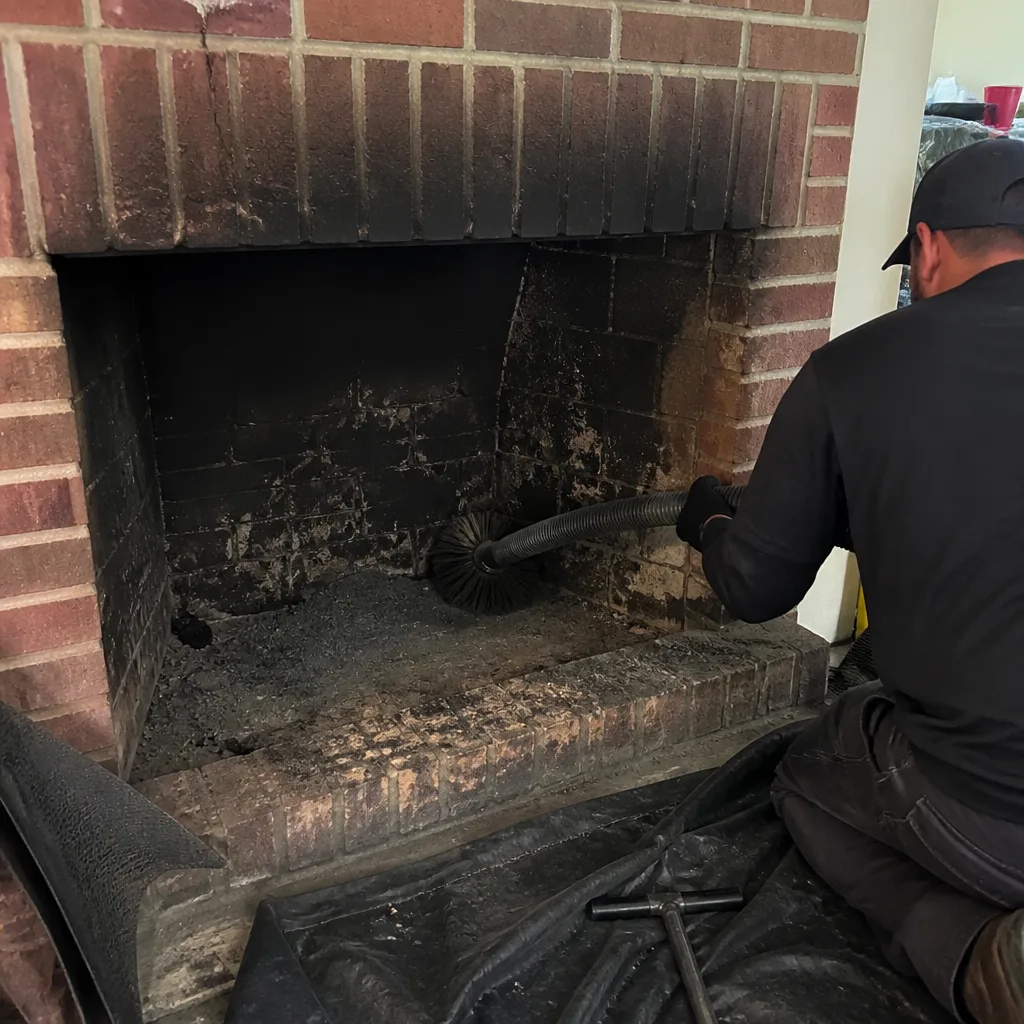
- Containment and cleaning. The work area is sealed, a HEPA vacuum keeps soot out of the home, and the flue is brushed with the correct tool for the flue type and deposit level.
- Documentation. The findings are recorded, and a photo report shows you what was found. Nothing is recommended without camera evidence you can see for yourself.
- Recommendation, if any. If the flue needs repair, you get a clear explanation of what and why. If it can safely wait, we say so. That’s the honest part of the job.
If the inspection turns up a deteriorated liner, repair can follow the same visit rather than sending you on a referral runaround. That’s where chimney repair comes in, from HeatShield resurfacing for a liner that’s lost its integrity to DuraFlex re-lining when the flue needs a full replacement. Olympia Chimney components round out the venting side. The point is that the person who found the problem can fix it, with materials specified for the job rather than patched to close a ticket.
For a Pembroke Pines homeowner, this process is what makes the difference between a cleaning and a safety evaluation. The cleaning is the visible part. The inspection is where the value lives.
Common Mistakes to Avoid
- Cleaning without inspecting. Running a brush up the flue tells you nothing about liner condition. The cleaning and the inspection are two different jobs, and skipping the second one defeats the purpose of the first.
- Assuming a straight visual check is enough. In Pembroke Pines humidity, the dangerous cracks are the ones you can’t see from the firebox. A camera catches what a glance can’t.
- Ignoring glazed creosote. Stage 2 deposits won’t come off with brushing. If you see shiny, tar-like buildup and try to brush it clean, you’re polishing a hazard rather than removing it.
- Burning without a cap. A missing or damaged cap lets rain, debris, and animals into the flue. It’s one of the cheapest fixes and one of the most commonly deferred.
- Putting off the annual inspection during the off-season. The South Florida burning season is short, and the humid months in between are when the liner quietly deteriorates. That’s exactly the window when an inspection catches it early.
- Trusting a generalist with a brush. A handyman who owns a brush isn’t a chimney specialist. Materials, diagnosis, and documentation are what separate the two.
- DIY on the roof without a second thought. Two-story roof work in Pembroke Pines heat is a real risk. The part of the job that puts you on a ladder is the part to hand off.
When to Call a Professional
Some situations clearly call for a professional, and it’s worth naming them plainly. Call when you’ve never had the flue inspected and you burn regularly. Call when you notice poor draft, smoke rolling back into the room, or a smell that lingers long after the fire is out. Call when you see glazed creosote and can’t remove it. Call after any chimney fire, even a small one, because the liner needs to be evaluated before you burn again. Call when you’re buying or selling a Pembroke Pines home and need a documented condition record. And call if you’re simply unsure whether a task is a DIY one or a specialist one.
Monarch Chimney Sweep offers free estimates in Pembroke Pines. Call (855) 701-1714. We answer 24/7. Fast dispatch from 7am to 7pm, Sunday through Friday. We’re closed Saturday.
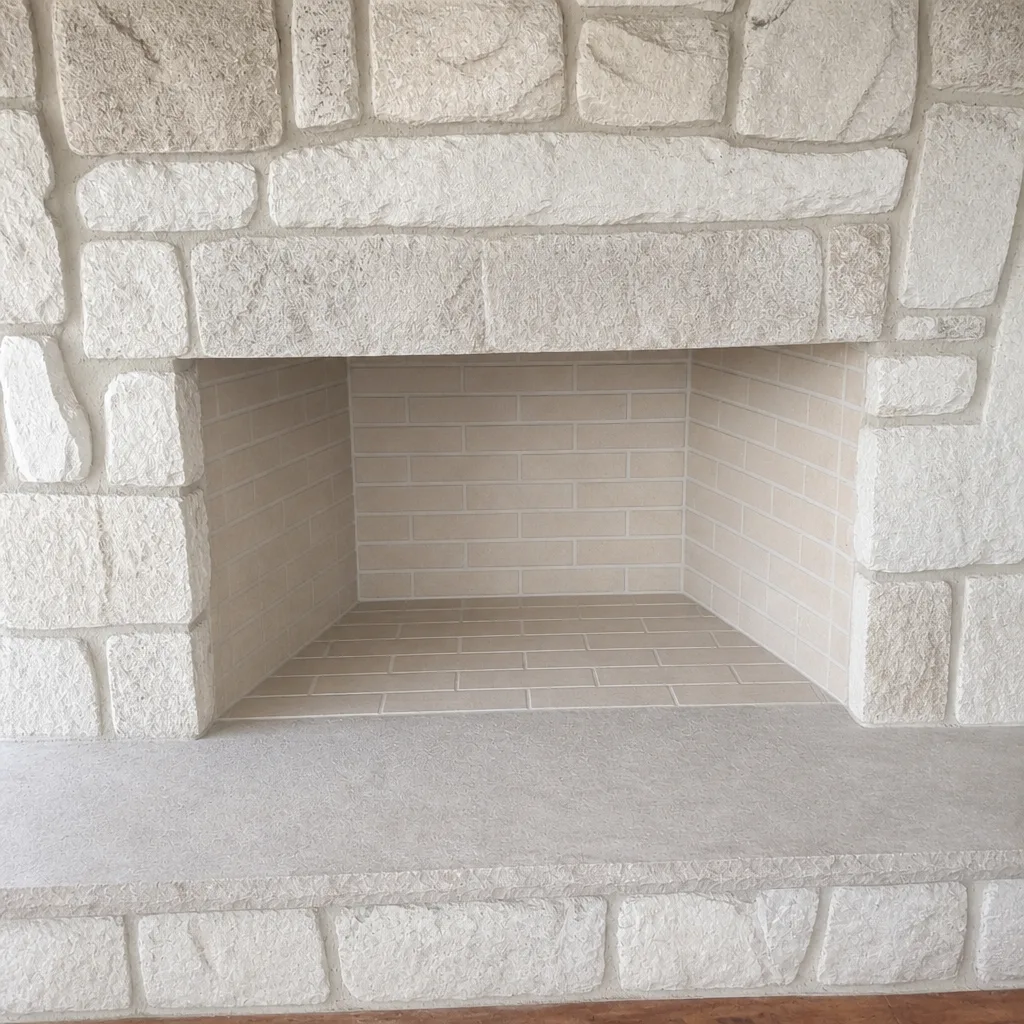
See the difference
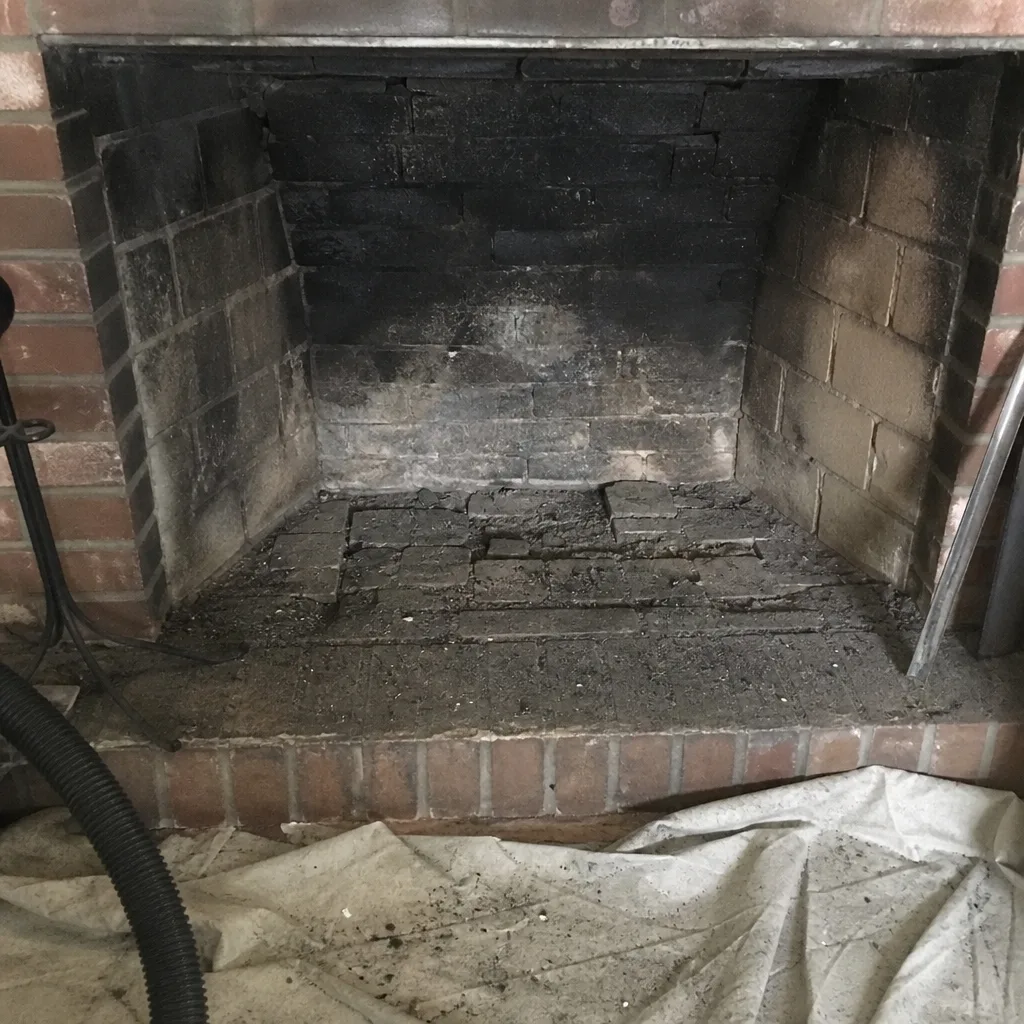 Before
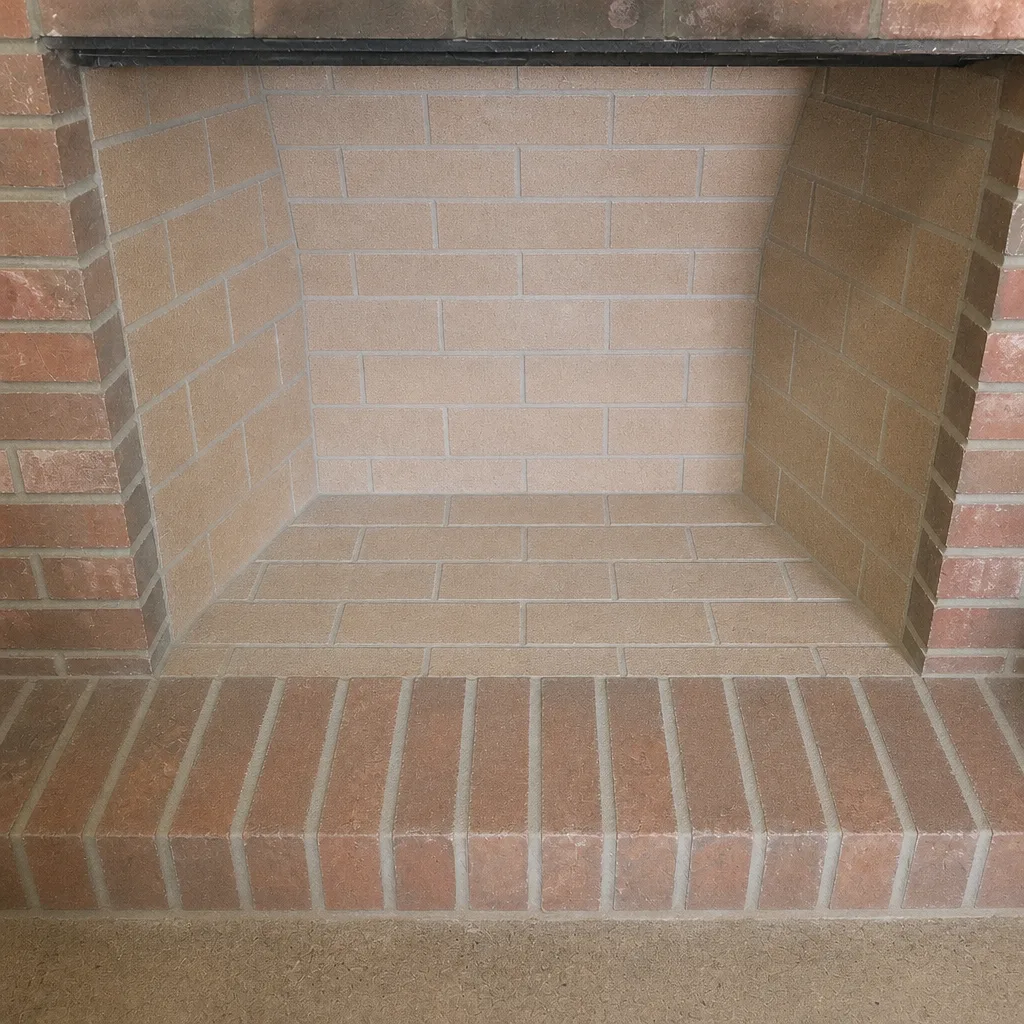 After
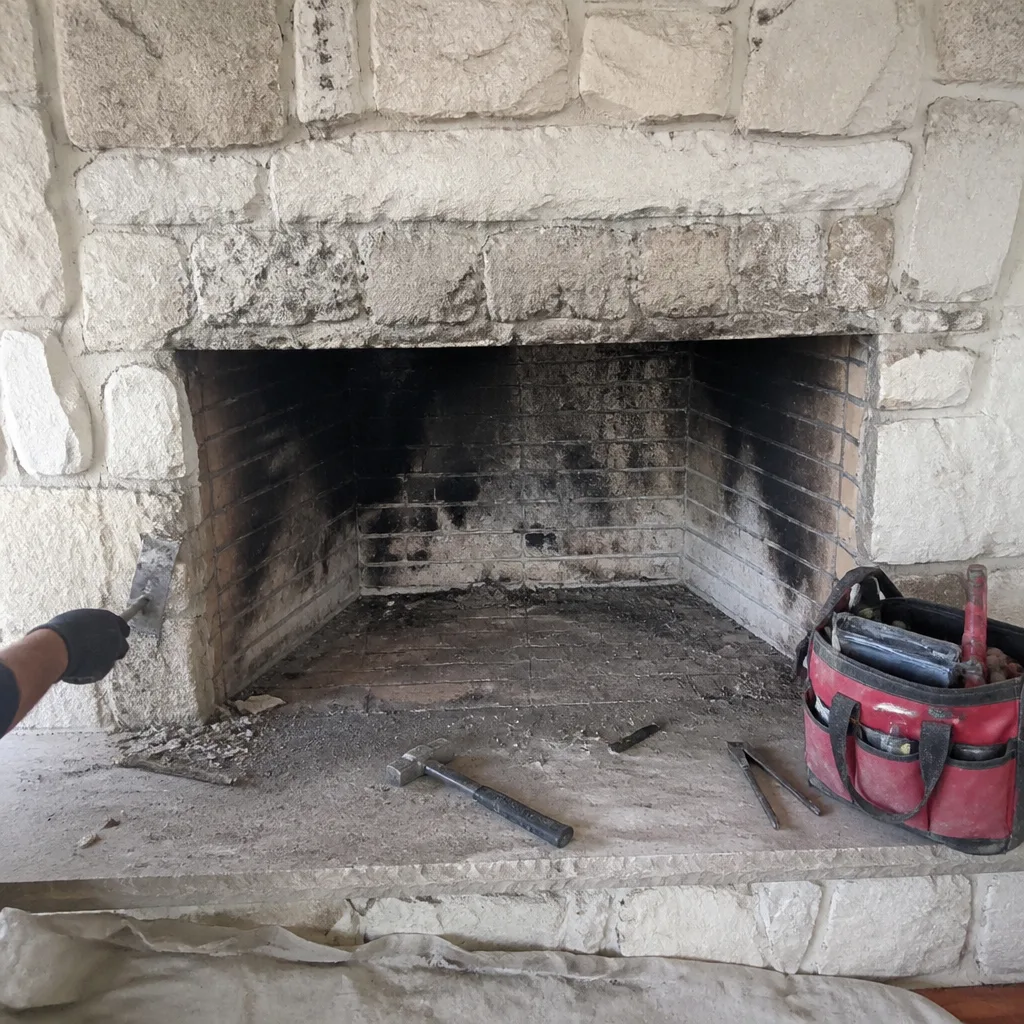 Before
 After
 Before
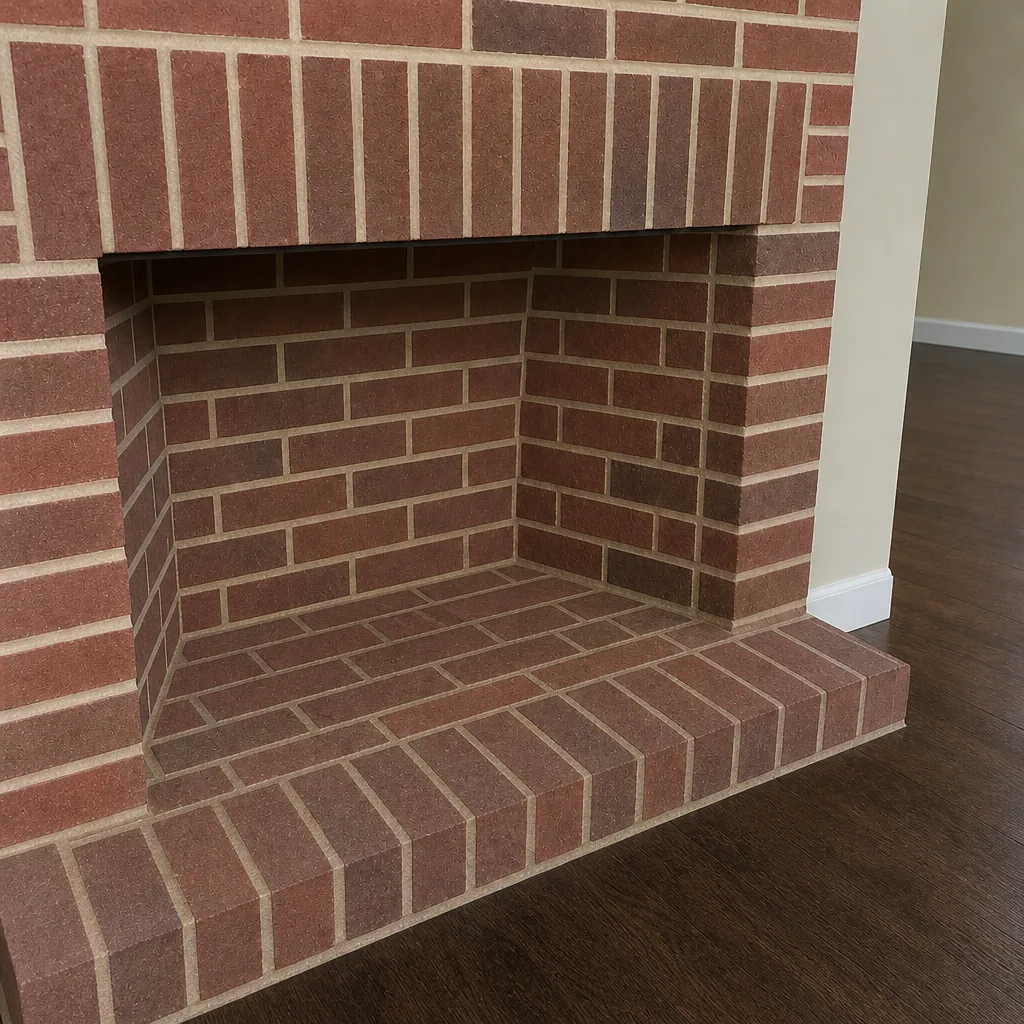 After
Frequently Asked Questions
You can clean loose soot and light creosote yourself on an accessible flue, but you can’t verify liner condition or catch hidden damage without a camera, so skipping the professional side leaves the highest-risk conditions unevaluated. DIY cleaning and professional inspection answer different questions, and only one of them is about what’s inside the flue wall. Call (855) 701-1714 for an exact quote; estimates are free.
A chimney sweep in Pembroke Pines is priced per job by a written estimate, and the flat sweep price is agreed before booking. The estimate is free, and it sets the final price. Call (855) 701-1714 for an exact quote.
Only if the inspection evidence shows the existing liner has lost its integrity. Nothing is recommended without camera evidence you can see for yourself, and if the liner can safely wait, we tell you so. When a liner does need attention, HeatShield resurfacing can restore a deteriorating flue without a full replacement, and DuraFlex re-lining handles a damaged masonry flue. Call (855) 701-1714 for an exact quote.
Sweep frequency depends on how much and what you burn, but an annual inspection is recommended regardless. The inspection tells you whether a cleaning is actually needed. If you burn wood regularly, annual inspection is the floor. Call (855) 701-1714 for an exact quote; estimates are free.
Skipping maintenance allows creosote to build and hidden liner damage to deepen unnoticed, and those are the conditions that cause chimney fires and allow combustion gases to reach places they shouldn’t. It’s also a ventilation concern, since a blocked or damaged flue can let carbon monoxide into the home. The risk isn’t a scare tactic; it’s a simple matter of what an uninspected flue can hide. Call (855) 701-1714 for an exact quote.
Whether a claim is paid is up to your insurer and your policy, and we can’t answer that for you. What we can say is that a documented professional inspection gives you a condition record a DIY cleaning doesn’t, and that record matters when a claim is filed. Call (855) 701-1714 for a free estimate.
The Bottom Line
DIY chimney cleaning removes soot and light creosote, and it’s a reasonable maintenance habit on a simple, accessible flue. What it can’t do is see a cracked liner or identify the glazed creosote that brushing won’t touch. In Pembroke Pines, where humidity quietly works on the liner between burning seasons, that visibility gap is where the real risk lives. The decision isn’t about effort. It’s about what you can’t see. Annual professional inspection is recommended whether you clean yourself or not, because a clean flue with a damaged liner is still a flue that can fail. Inspect first, recommend second. That’s the standard.
If you’re in Pembroke Pines and you want a straight answer on the condition of your flue before you decide anything, Monarch Chimney Sweep offers free estimates. Call (855) 701-1714. We answer 24/7. Fast dispatch from 7am to 7pm, Sunday through Friday. Every job pathway starts with an inspection, findings are documented before repair recommendations are made, and nothing is recommended without camera evidence you can see for yourself.
Written by the team at Monarch Chimney Sweep.