
Last updated November 15, 2026
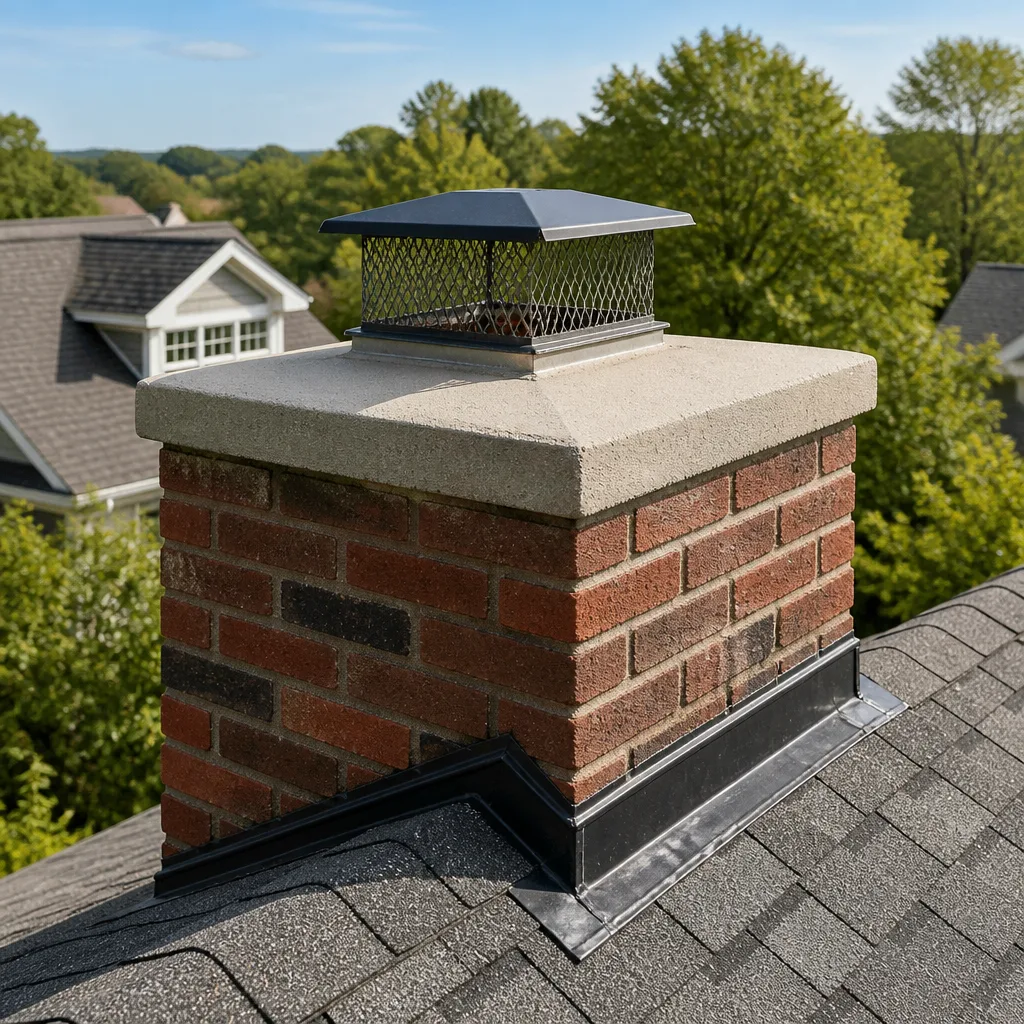 Sweep & inspection
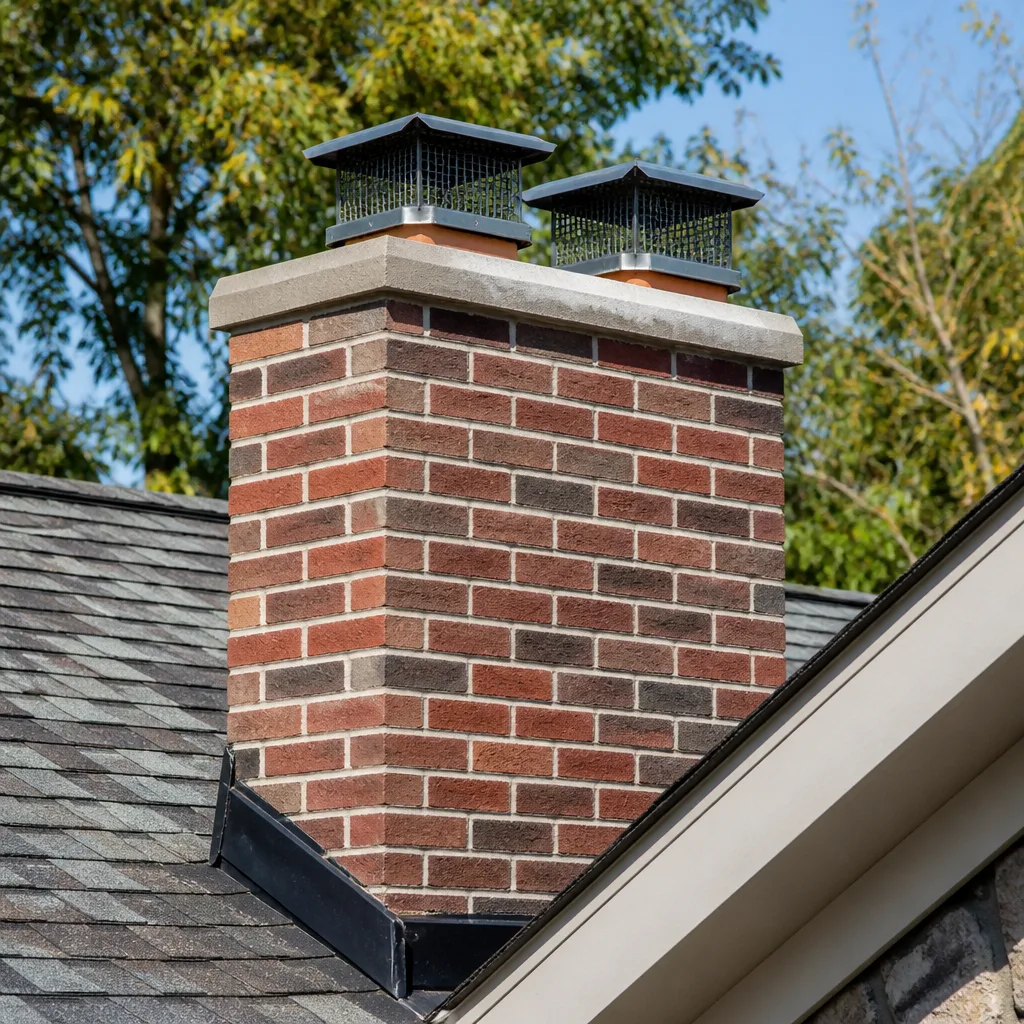 Caps & crowns
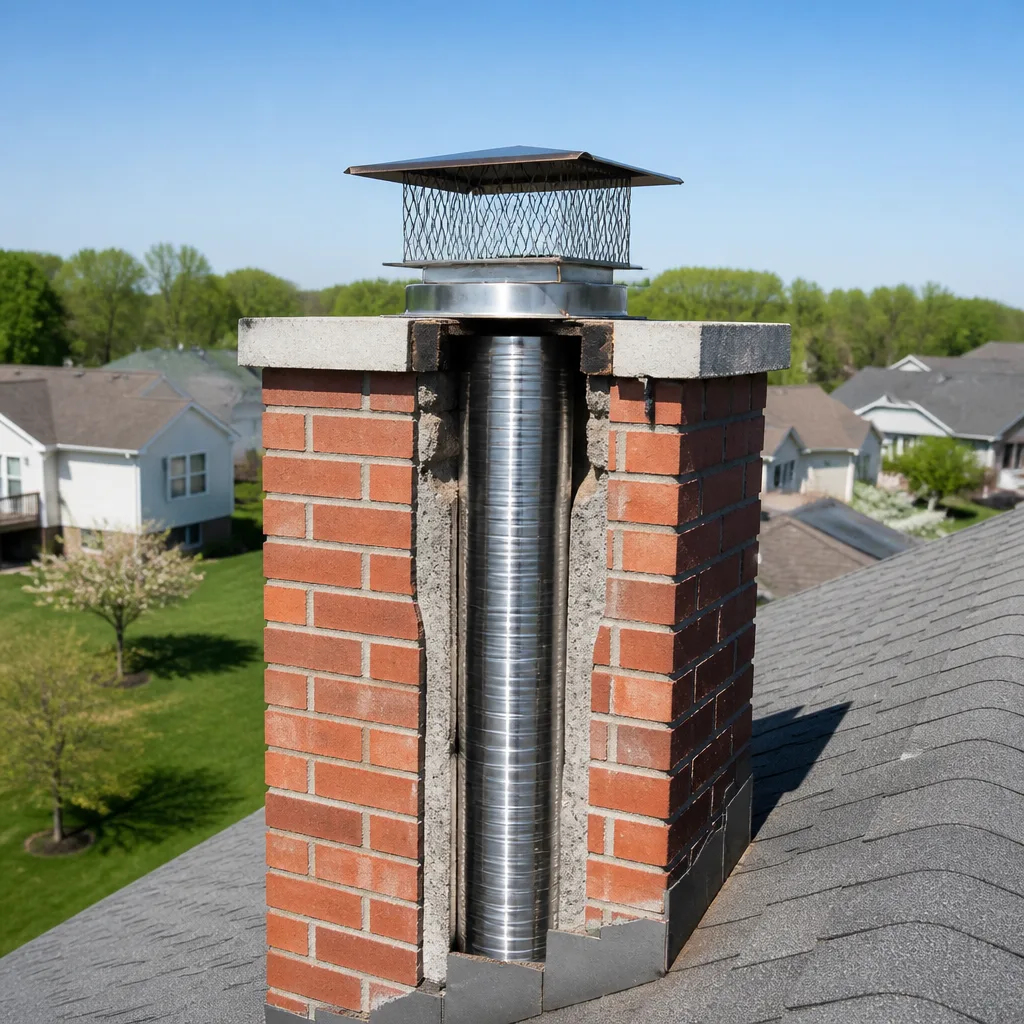 Flue relining
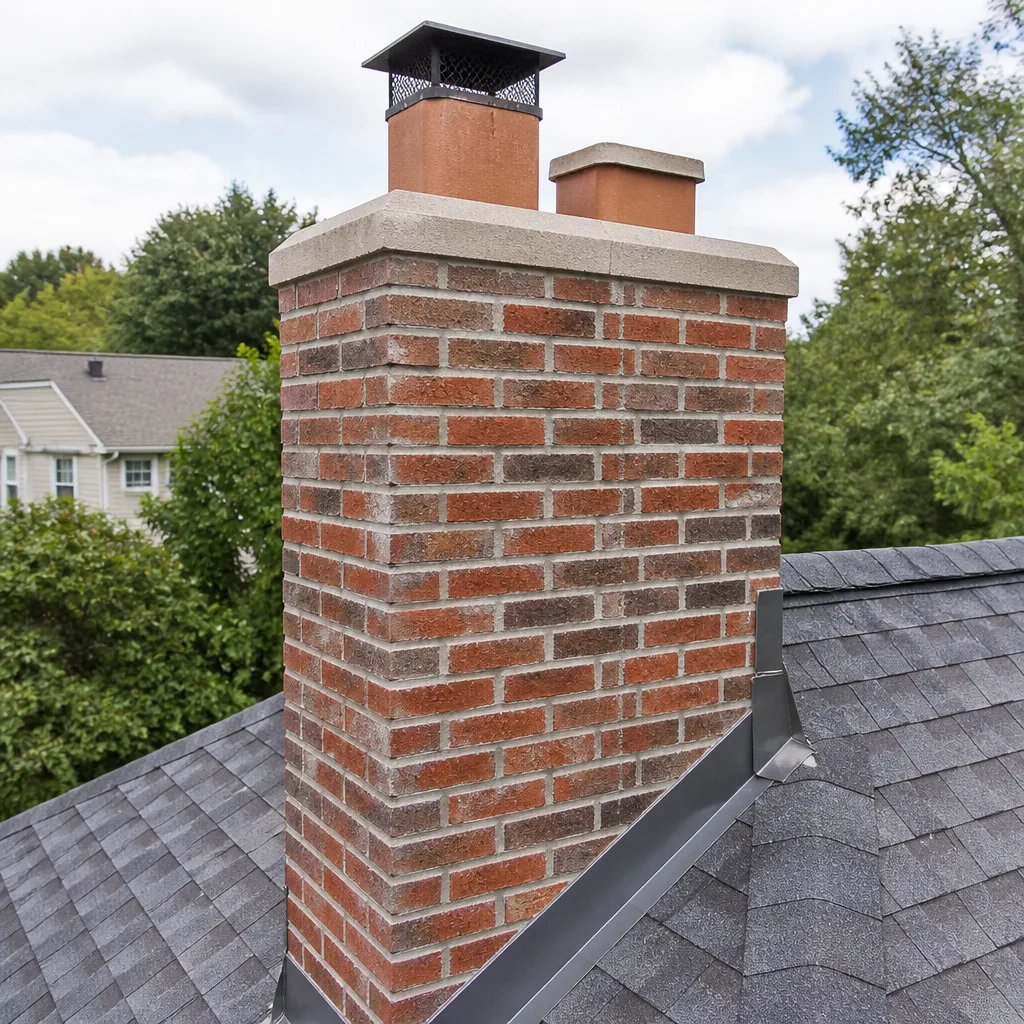 Masonry repair
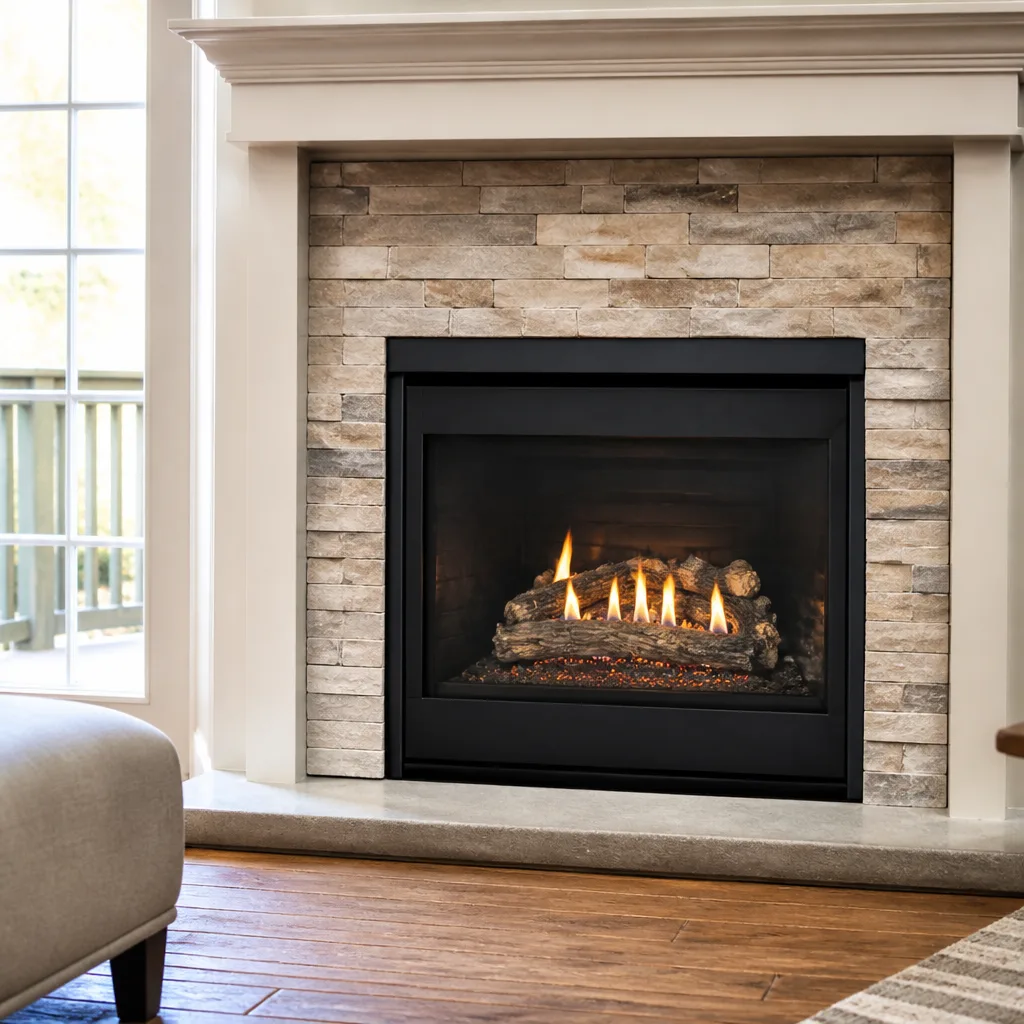 Gas fireplace service
Level 1 sweep and inspection to the NFPA 211 annual standard - flue, crown, cap, and flashing checked and photographed
Chimney sweep logs do not sweep chimneys. They loosen some creosote - which then falls where a brush and vacuum still have to collect it.
Choosing the Right Chimney Cleaning Brand: A Buyer’s Guide for Pembroke Pines
Most homeowners judge a chimney company by its logo, its van, or its review count. The real difference shows up when the kit opens. A professional-grade sweep carries drop cloths and a HEPA vacuum, a camera small enough to travel the flue, and a set of nylon brushes matched to the liner material. A part-timer shows up with a poly brush and a shop vac from the garage. That gap in equipment is a better hiring filter than any star rating, because it predicts the quality of the outcome, the documentation you get, and how long a repair holds up. In Pembroke Pines, where humidity and strong sun age chimney components fast, materials matter even more. This guide shows you what to look for.
Quick Answer
The right chimney cleaning company in Pembroke Pines is one that carries professional-grade sweeping equipment, pairs a camera inspection with every sweep, and uses specified materials for liners, sealants, and caps rather than hardware-store substitutes. Brand names like HeatShield, DuraFlex, Gelco, Olympia Chimney, Famco, and Copperfield signal that a contractor has real supplier relationships and technical training. Ask for the inspection report before you agree to any repair, and confirm the parts and materials in writing.
Styles & brands we work with
- Sweep & inspection
- Caps & crowns
- Flue relining
- Masonry repair
- Gas fireplace service
Table of Contents
- What professional-grade chimney equipment actually looks like
- Why liner system brands tell you about a contractor’s training
- Sealants and crown coatings in Pembroke Pines’ heat and humidity
- How to spot a real chimney specialist versus a generalist
- The paper trail that separates a professional sweep from a service call
- Questions to ask before you book a sweep in Pembroke Pines
- Step by step: how to evaluate a chimney company
- The brands that show up in serious chimney work
What professional-grade chimney equipment actually looks like
A sweep’s toolkit is the first honest signal you get. In our experience, the equipment is laid out before any work starts, and the homeowner can see it. What you want to see falls into a few clear categories.
- Rod and brush sets matched to the flue. Nylon brushes in multiple diameters handle masonry and stainless liners differently. A single one-size brush is a warning sign.
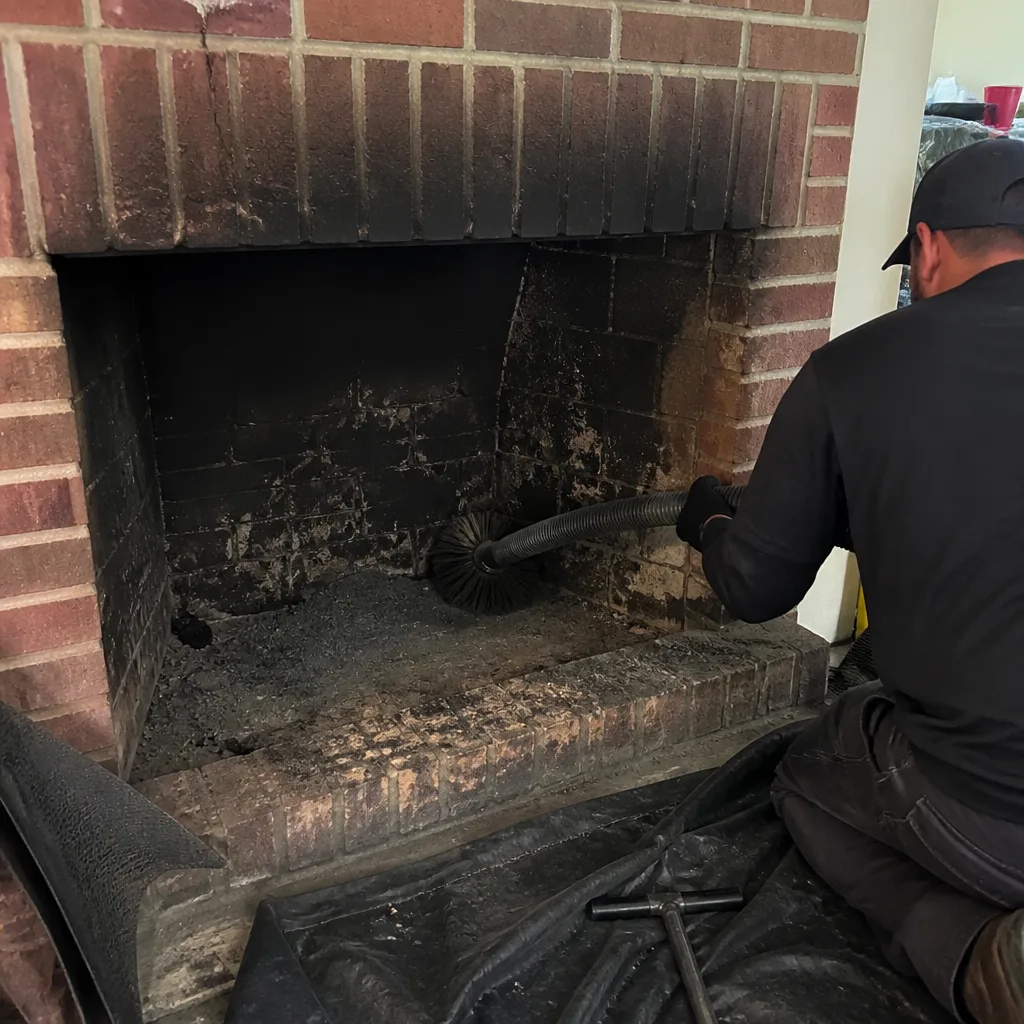
- Containment and cleanup gear. Heavy drop cloths, a HEPA-rated vacuum with a sealed hose, and plenty of plastic sheeting. Soot travels if it isn’t contained at the source.
- Inspection camera. A small articulating or push-rod camera that reaches the top of the flue and records what it finds. This is the tool that produces the photos you should be handed.
- Combustion and drafting checks. A draft gauge, a moisture meter for firewood, and a carbon monoxide monitor. These confirm that the system is venting correctly, not just that it’s clean.
- Specialty repair materials. Resurfacing compound, crown coating, and stainless liner components from known suppliers, sealed in labeled packaging.
The equipment question matters more than it looks in Pembroke Pines. Homes here tend to have short chimneys, and the flue configurations vary from house to house depending on when the home was built and what was originally installed. A sweep who carries only one brush type and no camera is working blind on a system that needs to be understood, not just scrubbed. When tools are matched to the flue and a camera confirms the result, the sweep is repeatable and the report is honest.
If a technician can’t tell you what brush and what camera they’ll use, that’s your answer. Book with a company that can, and the whole visit changes character.
Why liner system brands tell you about a contractor’s training
Liner products are not commodities. The brand on the box means real money spent on specifications, installer training, and warranty support. The names you’ll encounter in professional work include HeatShield, DuraFlex, Olympia Chimney, Famco, and Copperfield, each occupying a specific slot in the system.
HeatShield is a resurfacing process. It restores a deteriorating clay flue liner without tearing it out and running a full-length stainless liner. That’s a specialist capability, not a generalist one. A company that can offer HeatShield resurfacing is a company that has been trained and has the equipment to do it correctly. DuraFlex is a flexible stainless liner system used both for new installs and for re-lining damaged masonry flues. Olympia Chimney is the kind of supplier professional installers specify when they want a known flexible liner component with warranty backing. Famco and Copperfield supply caps and damper hardware, which you’ll see in venting and top-sealing work.
Each of these brands represents a supplier relationship. A company doesn’t walk into a supply house and get permission to install a HeatShield system on a Tuesday afternoon. It has to be trained on the compound, the application, and the cure. It has to have access to the product. That training and access is a filter that a generalist handyman service can’t pass.
You don’t need to memorize the brand names. You need to ask one question: what materials will you use for this repair, and why? A specialist will answer with a product name and a reason. A generalist will answer with “we’ll take care of it” or “whatever the supply house has.” That gap tells you whether the repair will last.
Sealants and crown coatings in Pembroke Pines’ heat and humidity
Pembroke Pines runs hot and humid for most of the year, and that has consequences for the top of a chimney. The crown, the flat concrete cap at the top of the masonry, takes direct sun. It takes rain. It takes the same temperature swing every day, from cooler mornings to hot afternoons. Cheaper sealants crack under that cycle within a season or two. Proper crown coating materials are formulated for it.
What to look for in sealant and coating specifications:
- Elastomeric crown coating. Flexible rather than brittle, so it moves with the masonry instead of cracking away from it.
- UV-stable formulation. Strong Florida sun breaks down low-grade coatings fast. UV-stable products hold up.
- Masonry-compatible sealant. Anything labeled for masonry and rated for exterior use on vertical or horizontal surfaces above the roofline.
- Product name and spec sheet. A serious company will tell you the product and show you the spec. A generalist will say “some sealant” and move on.
The crown is not a cosmetic feature. When it fails, water enters the masonry and the interior of the flue, and the damage spreads. In a climate with this much humidity, water that gets into a chimney has a long and expensive stay. A correctly specified crown coating is one of the least expensive ways to protect the whole system, and it is a repair where material choice makes the difference between a fix and a callback.
Ask any Pembroke Pines chimney company to specify the crown coating they’ll use and how it handles sun and rain. The answer says more about the work than the price.
How to spot a real chimney specialist versus a generalist
A generalist company adds chimney work to a long list of home services: pressure washing, gutters, handyman repairs, maybe roof work. That’s not a knock on generalists. It’s a fact about training. Chimney work is a narrow discipline with its own codes, its own failure modes, and its own materials. The broad service menu is a filter, and it usually fails.
Here’s how to tell the difference in a Pembroke Pines market where both kinds of company advertise the same keywords:
- Ask what they don’t do. A real chimney specialist turns down work outside the discipline. A generalist says yes to everything.
- Ask for an inspection report before any repair recommendation. Specialist companies inspect first, recommend second. Generalists often quote a repair before they’ve looked at the flue.
- Check the material list. Recommended materials should have names: a HeatShield resurfacing spec, a DuraFlex liner, a specified Gelco or Famco cap. “Standard cap” is not a specification.
- Look at how the company talks about the system. A specialist understands sweep, repair, and inspection as three connected disciplines. A generalist treats the chimney as one more job on the calendar.
- Ask who performs the liner work. If the answer is “we subcontract it,” you’re dealing with a middleman, and the material accountability splits in two.
The pattern is consistent. A specialist can answer questions about flue geometry, draft, liner sizing, and cap compatibility without consulting anyone. A generalist can’t. On a first call, you’ll hear the difference within a minute.
Monarch Chimney Sweep works within the full chimney lifecycle. That means a chimney sweep is a diagnostic visit, not just a cleaning, and any recommended chimney repair is backed by the inspection that came before it. Inspect first, recommend second. That’s the standard, and it’s what you should expect from anyone you hire.
The paper trail that separates a professional sweep from a service call
A sweep who leaves with nothing in your hand has left you with nothing. Documentation is the work product. It’s also the only way to compare one visit to the next and to prove what condition the chimney was in before and after.
What a professional visit produces:
- A written inspection report. The condition of the flue, the firebox, the damper, the crown, and the cap, with notes on anything that needs attention.
- Photographs from inside the flue. Camera images that show what the technician saw: the amount of creosote, the condition of the liner, and the top of the flue.
- A photo of the crown and cap from the roof. These are the first components to fail in Pembroke Pines weather, and they need eyes on them.
- A clear statement of what needs work now versus what can wait. Not everything found needs to be fixed immediately. A professional says so plainly, because honest timing builds trust.
- A written estimate for any recommended work. The document lists the material, the scope, and the price. It’s the document the work is priced from.
The documentation standard is also the best way to answer the concern that keeps homeowners from booking a sweep: fear of being told they need thousands of dollars in liner work they can’t verify. The answer is simple. Nothing gets recommended without camera evidence you can see for yourself, and the report tells you plainly when work can safely wait.
Documentation is also the record that serves you later, at resale or after a chimney fire. A decade of reports is a history of the system. A decade of unrecorded visits is a mystery. Ask any company you’re considering what you’ll receive in writing. If the answer is vague, that’s the answer.
Questions to ask before you book a sweep in Pembroke Pines
The right questions get you to the right company faster than any review. These are the ones that separate specialists from the rest.
- “Will the visit include a camera inspection?” If the answer is no, the visit is incomplete. A sweep without a camera is a guess with a brush.
- “What brands of liner and sealant do you install?” Look for real names, not general descriptions. HeatShield, DuraFlex, and Olympia Chimney are the markers of a trained installer.
- “Do you inspect first before recommending repair?” A company that quotes repair over the phone before looking at the flue is selling, not diagnosing.
- “What will I receive after the sweep?” The correct answer is a report with photos, plus a written estimate if work is recommended.
- “Do you do the liner work yourselves or subcontract it?” Direct work means direct accountability for the material.
- “What does a sweep cost, and what does the estimate cover?” A professional company quotes per job. The written estimate sets the final price.
- “What is the recommended sweep interval for my system?” A specialist will tell you it depends on how you burn, not just how much.
Take notes on the answers. A prompt, specific answer is a good sign. “We’ll take care of it” is not. You’re hiring a specialist to know what they’re doing, and a specialist answers these questions without hesitation.
Step by step: how to evaluate a chimney company
Here’s a practical process you can follow in an afternoon, before you ever pick up the phone.
- List the candidates. Search for chimney services in Pembroke Pines and note every company that shows up. Include specialists and generalists both, so you’re comparing categories and not just prices.
- Filter by discipline. Cut any company whose website is a menu of unrelated home services. A generalist working on a chimney is a compromise on a safety system.
- Look for material names on the company’s pages. Search their site for brand names like HeatShield, DuraFlex, Gelco, Famco, or Olympia Chimney. A specialist mentions the materials because the materials are the work. A generalist doesn’t because they don’t use them.
- Ask the questions from the previous section on the phone. Listen for specificity. Note any hesitation.
- Book the inspection first. Not the repair. The inspection tells you what the system needs. The repair follows.
- Review the report with the technician present. Ask what can wait and what can’t. A straight answer on both is what you’re paying for.
- Compare the written estimates. Look at the material listed on each line item. A quote for “chimney repair” without material specs is not comparable to one with named products.
Run this process once a year, or before every burning season, and you’ll build a relationship with a company you can trust with the whole system. The sweep itself takes an hour or two. The process of finding the right company takes an afternoon and lasts for years.
If you’re starting from zero, our Monarch Chimney Sweep team is a name to start with. And if you’re new to the area, our page for Pembroke Pines explains how we work locally.
The brands that show up in serious chimney work
You don’t need to become a materials expert. You do need to recognize the names that indicate a company is operating at a professional level. Here’s a reference you can carry into the conversation.
- HeatShield. A resurfacing system for restoring a deteriorating flue liner without a full tear-out. A specialist-only capability.
- DuraFlex. A flexible stainless liner system used for re-lining masonry flues. The brand name signals real installer relationships.
- Olympia Chimney. A supplier of flexible liner components specified by professional installers. A marker of a trained supplier network.
- Gelco. Manufactures chimney caps and top-sealing hardware used by professional chimney contractors. Not a hardware-store substitute.
- Famco. Supplies dampers and cap components to the trade. Named brands in the cap slot mean a real specification.
- Copperfield. A brand you’ll see in cap and venting work specified by professional masons.
None of these brands is a guarantee on its own. The installer matters more than the box. But when a Pembroke Pines chimney company names these brands, you’re dealing with a business that has invested in supplier relationships and training. That’s a much stronger signal than a five-star review, because it’s verifiable.
Ask any company you interview to name the brands they install. If they can’t answer without checking, they haven’t installed enough of it to know.
Common Mistakes to Avoid
- Choosing by review count alone. Star ratings measure customer experience, not material quality. A well-rated generalist can still use the wrong sealant on the crown. Look at the equipment and the material names before you look at the reviews.
- Accepting a repair quote before an inspection. Anyone who quotes a liner replacement over the phone hasn’t seen the flue. Inspect first, recommend second, always. If they won’t put the camera in before quoting, walk away.
- Booking a sweep without a camera inspection. A sweep without photos is a cleaning you can’t verify. You’re paying for a report, not just a scrubbing. Insist on the camera and the photo record.
- Assuming the cheapest quote is the best deal. A cheap crown coating that cracks in a Pembroke Pines summer costs more in the long run than the specified product. Compare material specs, not just numbers.
- Letting a generalist handle a liner. Liner work is sizing, materials, and code. A handyman service that also cleans gutters is not the answer. Hire the specialist.
- Skipping the sweep until something smells wrong. Chimney problems announce themselves late. Annual inspection catches wear before it becomes a repair. The report is the point.
- Not keeping the documentation. A decade of inspection reports is a history of your chimney. Throw them away and every future hire starts from scratch. Keep the file.
See the difference
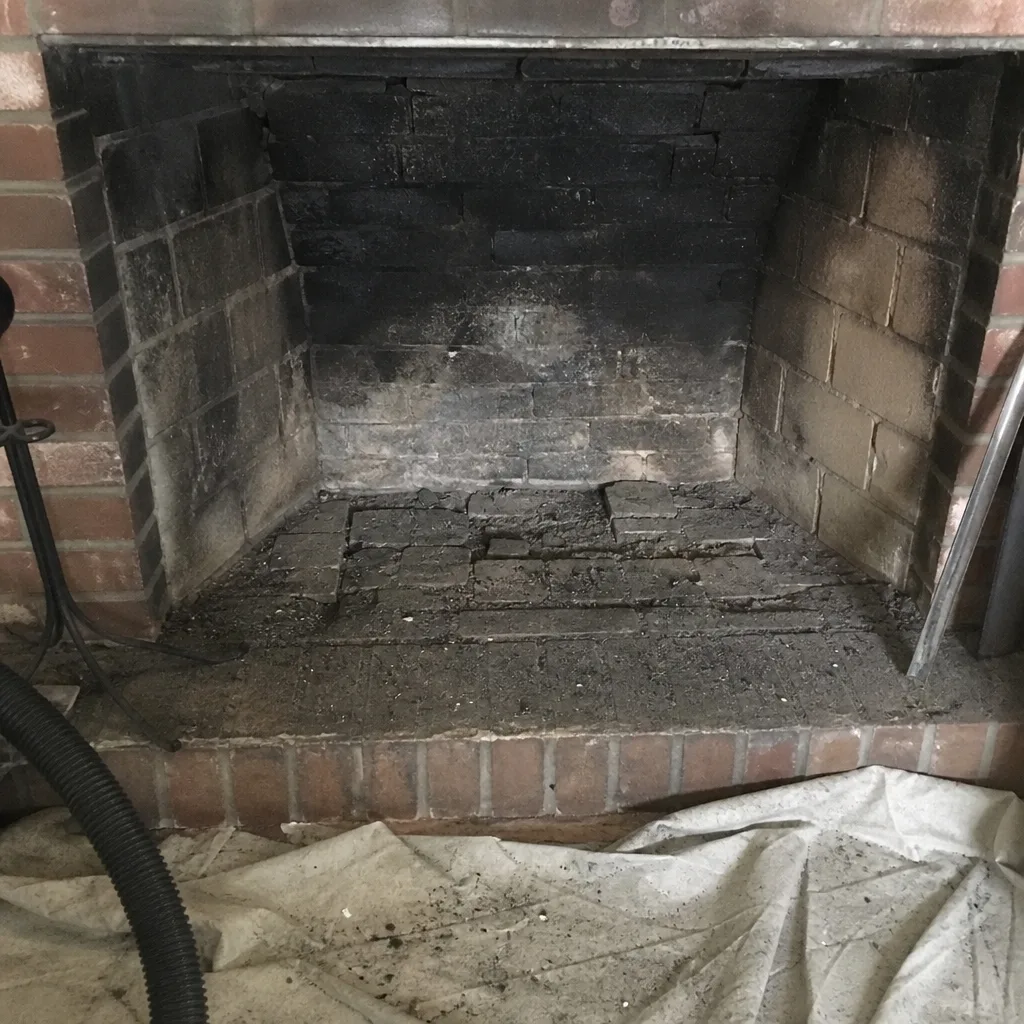 Before
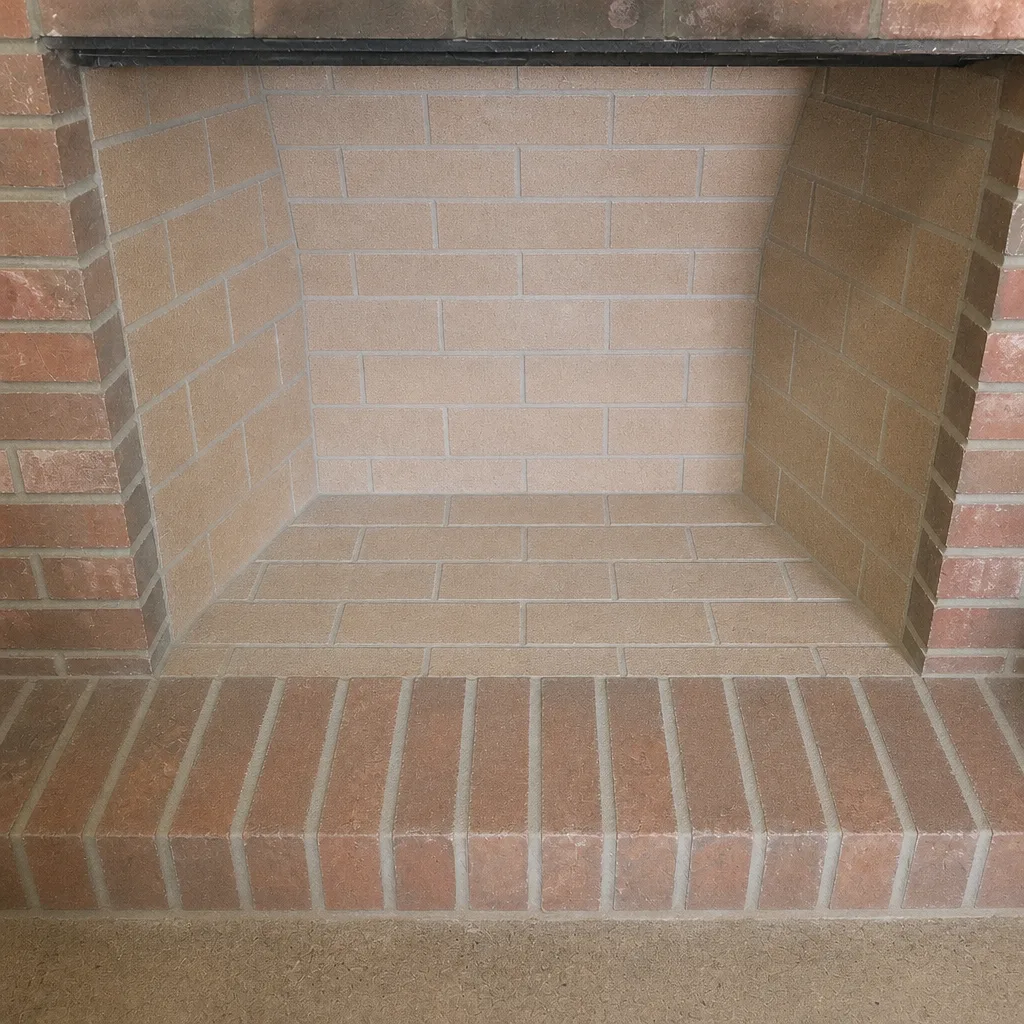 After
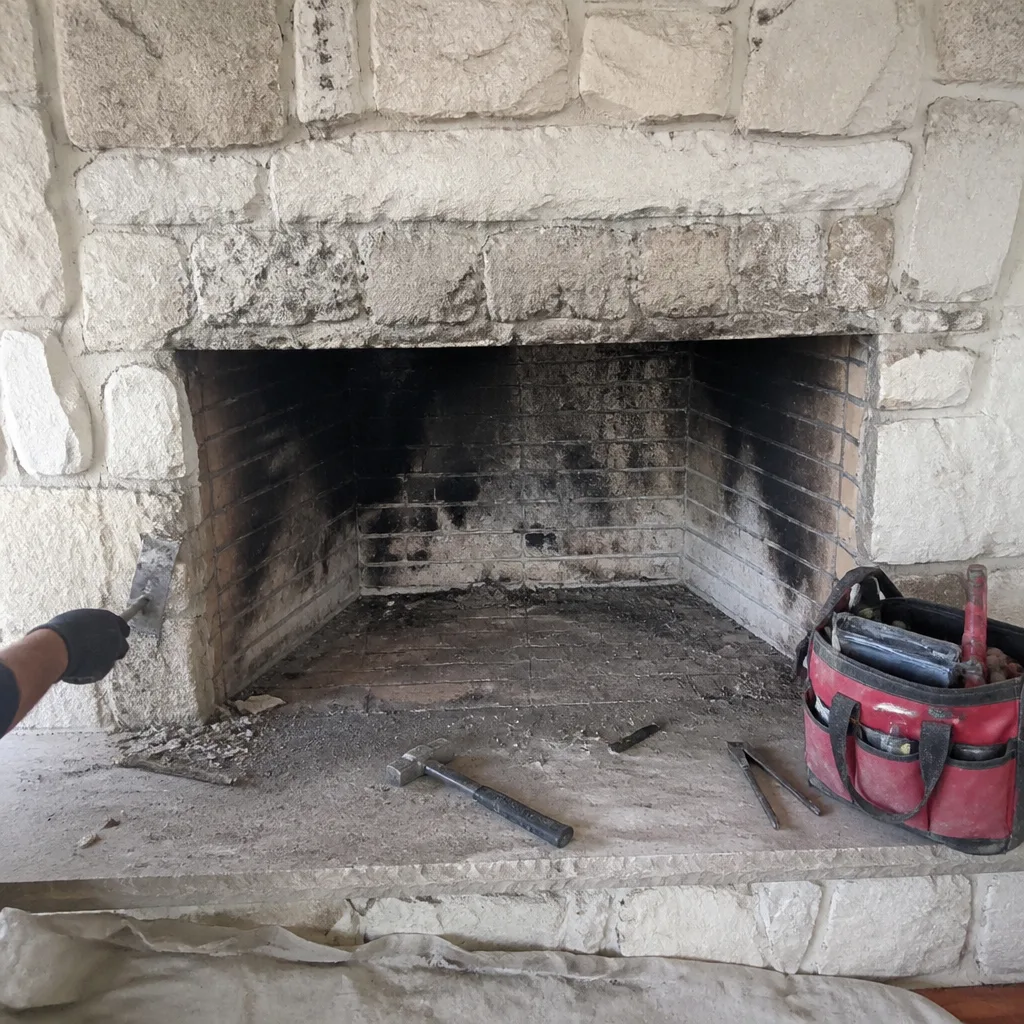 Before
 After
 Before
 After
When to Call a Professional
Call a professional when you’ve never had the chimney inspected, when you’ve moved into a home with a fireplace or wood insert, or when it’s been a year or more since the last sweep. Call when you smell smoke in the room with the fire lit, when the draft feels weak, when the firebox shows staining, or when a fireplace that once worked well doesn’t. Call when you’re planning to burn more this season than last, since the sweep interval depends on how you burn as much as on how often. Call when you see cracked masonry on the crown, rust on the cap, or water stains on the ceiling near the chimney. And call before any repair is quoted to you by someone who hasn’t inspected the flue. Monarch Chimney Sweep offers free estimates in Pembroke Pines. Call (855) 701-1714. We answer 24/7. Fast dispatch from 7am to 7pm, Sunday through Friday.
Frequently Asked Questions
A standard chimney sweep in Pembroke Pines is priced per job by a written estimate, and the estimate is free. The number depends on the system: a straightforward masonry flue with a fireplace is a different scope than a wood insert, a gas appliance, or a flue that needs camera inspection through a longer run. The written estimate sets the final price, so ask for it before the visit. Call (855) 701-1714 for an exact quote. Estimates are free.
Not always, and a professional will tell you so. Some liners are sound and only need cleaning. Some have localized damage that HeatShield resurfacing can restore without a full replacement. Others have failed to the point that a DuraFlex re-line is the only safe option. The recommendation should come from camera evidence you can see in the report. If a company recommends a liner without showing you the images, get a second opinion. Call (855) 701-1714 for an inspection first.
Once a year for most Pembroke Pines homeowners who burn regularly, and more often if you burn a lot of wood, burn green or unseasoned wood, or use the fireplace as a primary heat source through the cooler months. A gas appliance usually needs an annual inspection even if the flue stays cleaner, because the venting and the cap can still wear. The sweep interval is a recommendation based on your burning habits, not a rule. Call (855) 701-1714 to book an inspection.
Creosote builds up in the flue, and creosote is what burns in a chimney fire. Blockages from soot, nesting material, or a failed cap reduce draft and can push carbon monoxide back into the room instead of up the chimney. Those are real hazards and the reason the flue is treated as a life-safety system. The honest version is that a skipped sweep doesn’t fail on a schedule. It fails when conditions line up, often when the fire is lit. Call (855) 701-1714 to book a sweep before the burning season.
Only for the simplest cleaning, and even then the inspection piece is usually missing. Chimney work involves specific liner materials, cap and damper components, and code requirements that generalists don’t train on. The brands you should look for in the quote, like HeatShield, DuraFlex, Gelco, Famco, Copperfield, and Olympia Chimney, are supplied to trained installers. If a generalist can name these and use them correctly, they’re functioning as a specialist. If they can’t, hire a specialist. Call (855) 701-1714 to talk through your system.
A written description of the flue, firebox, damper, crown, and cap, plus camera photos from inside the flue and photos of the roof-level components. It should state clearly what needs work now and what can wait, and it should come with a written estimate for anything recommended. Nothing should be recommended that isn’t backed by an image you can see for yourself. If a company can’t tell you what’s in their report, ask before booking. Call (855) 701-1714 for a report you can keep.
The Bottom Line
The brand question is really a materials question. The tools in the kit, the liner and resurfacing brands on the invoice, the sealant specified for the crown, and the documentation left behind after the visit tell you more about the company than any logo. In Pembroke Pines, where sun and humidity age chimney components quickly, those material choices decide whether a repair lasts or comes back as a call. Our technicians have up to 8 years of experience, and every job pathway starts with an inspection. Inspect first, recommend second. Equipment, materials, and paper trail – those are the three filters that find the right company.
If you’re ready to book, call (855) 701-1714 for a free estimate. We answer 24/7. Fast dispatch from 7am to 7pm, Sunday through Friday. Nothing gets recommended without camera evidence you can see for yourself, and the written estimate sets the final price.
Written by the team at Monarch Chimney Sweep.