
Last updated November 15, 2026
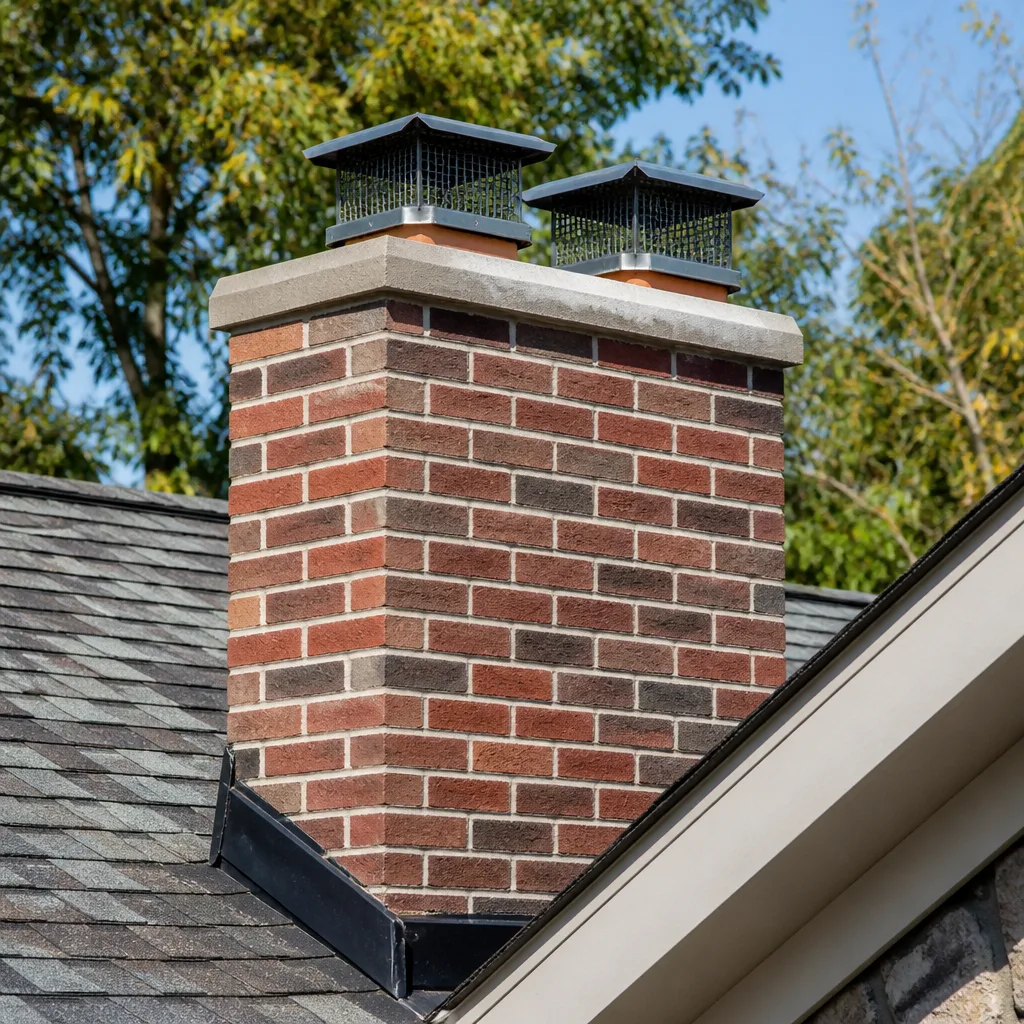
 Sweep & inspection
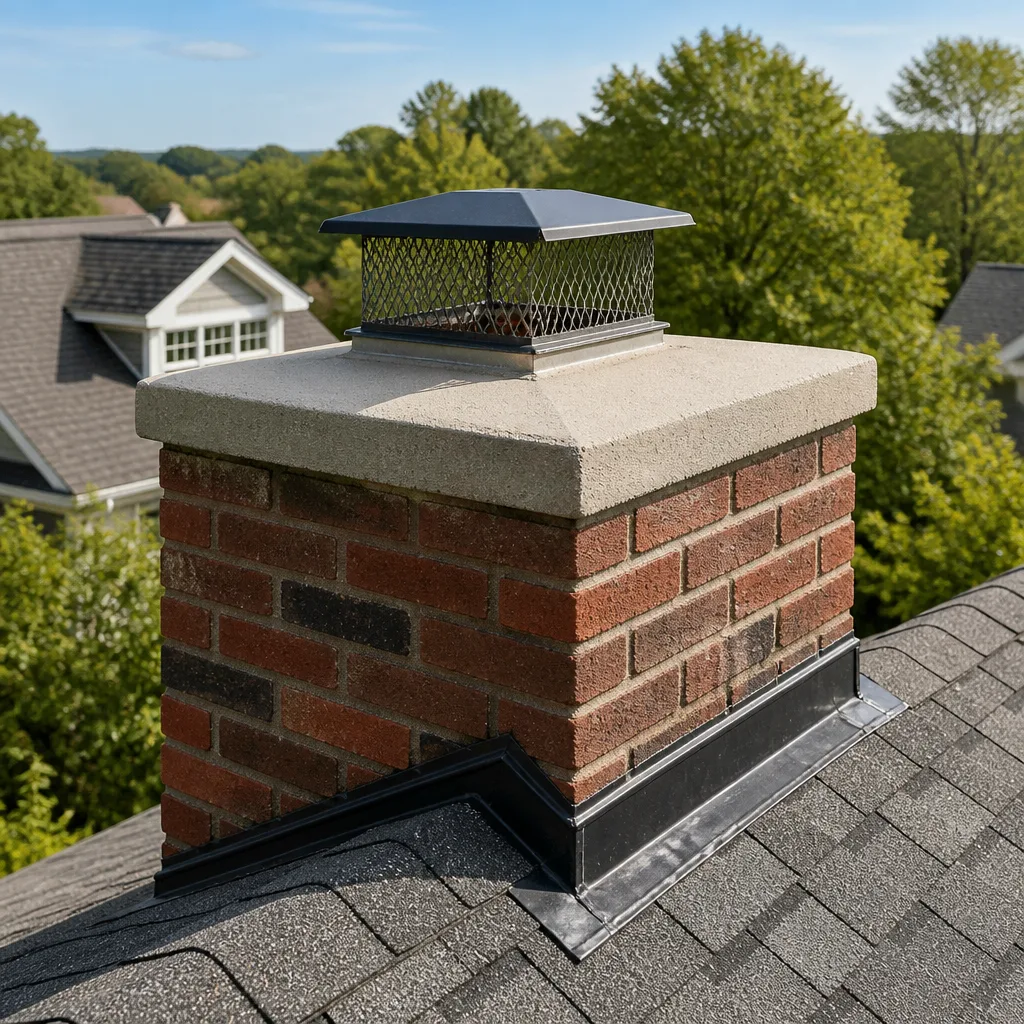
 Caps & crowns
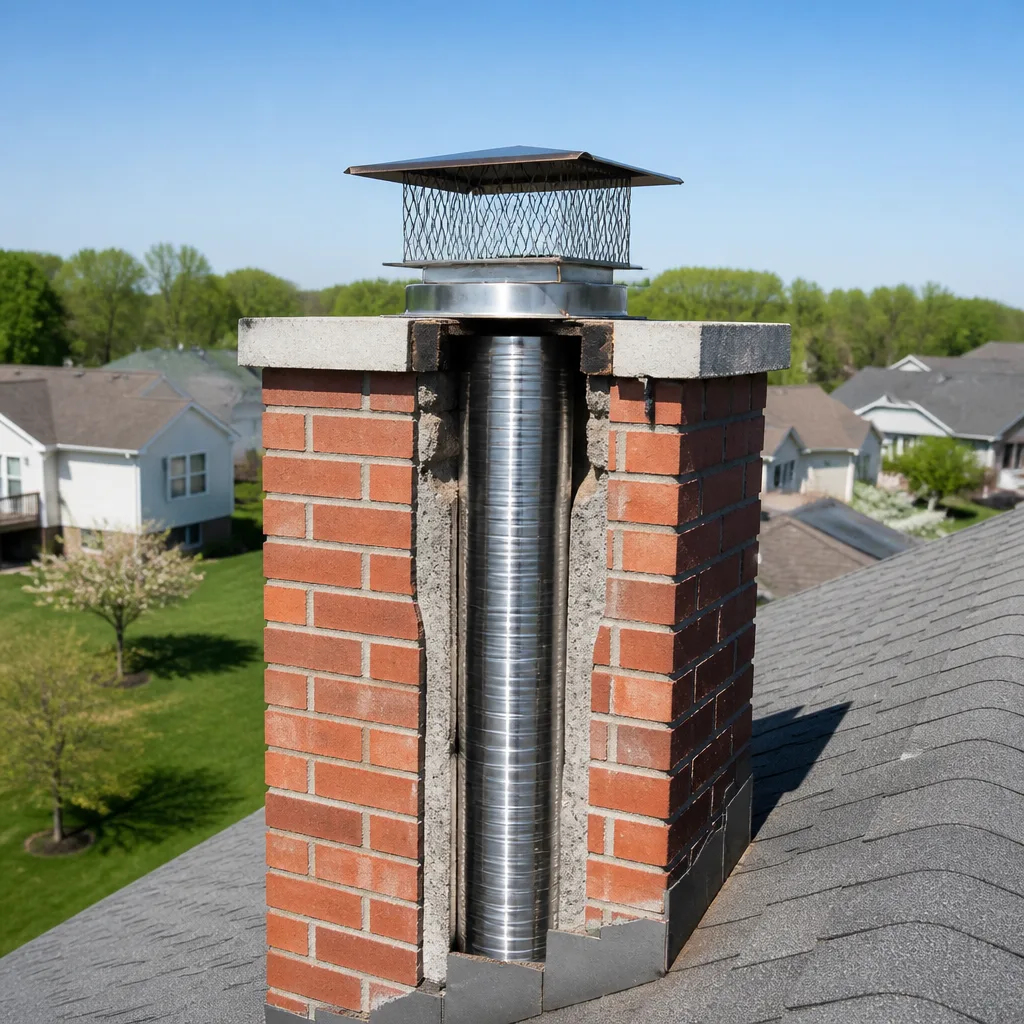 Flue relining
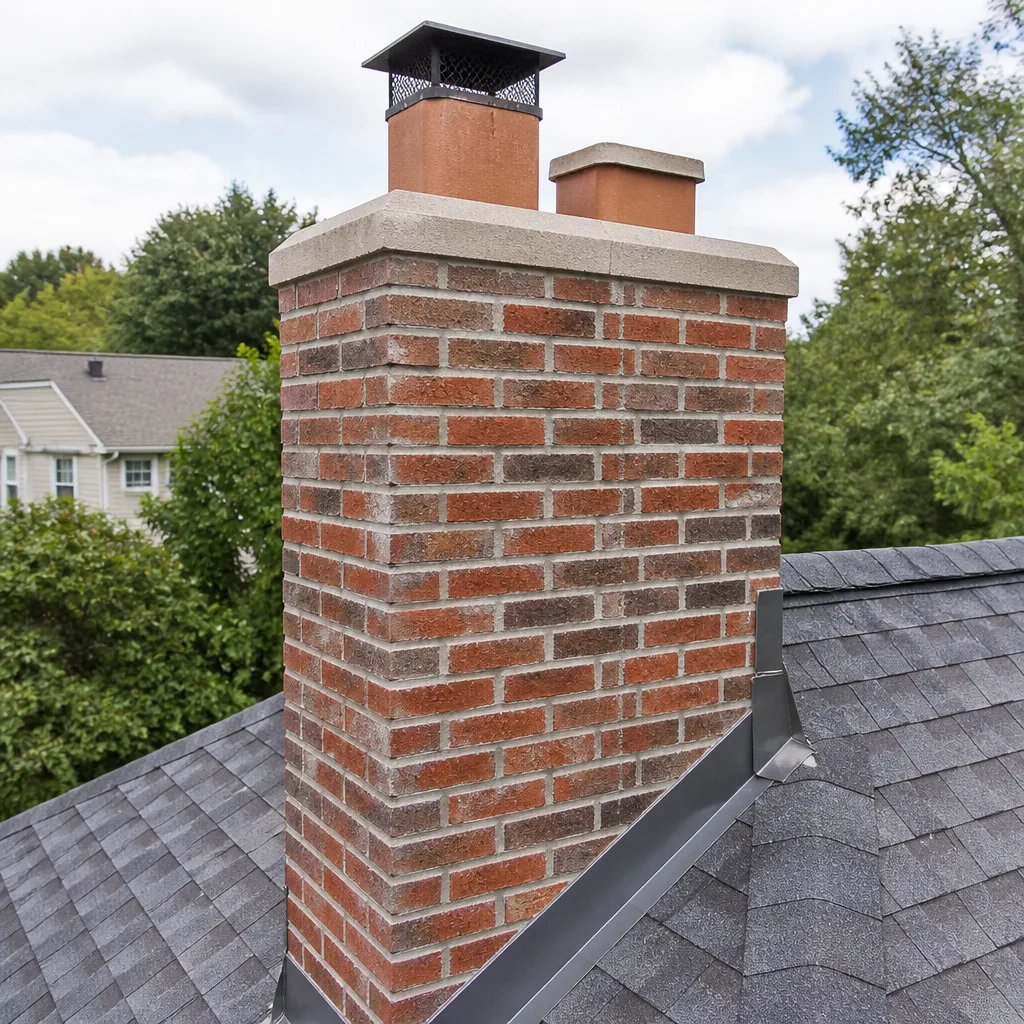 Masonry repair
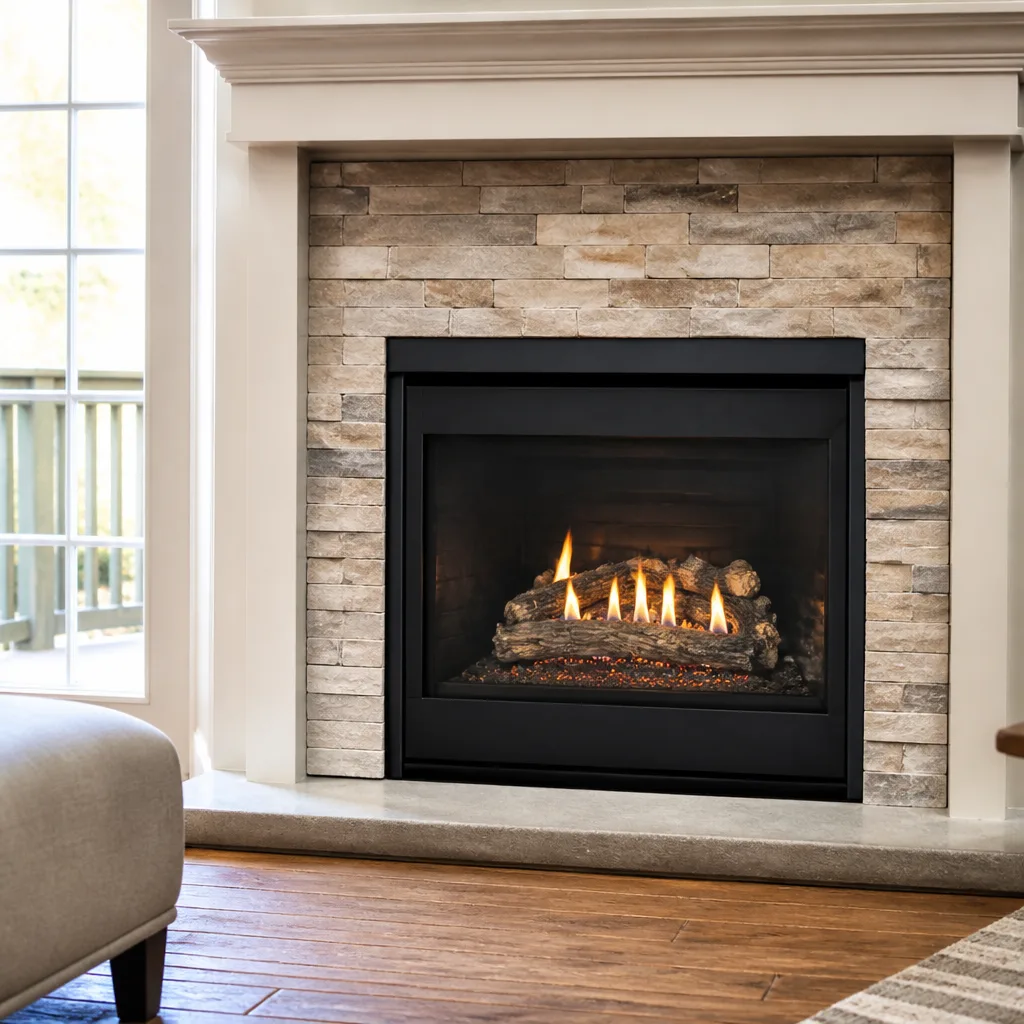 Gas fireplace service
Level 1 sweep and inspection to the NFPA 211 annual standard - flue, crown, cap, and flashing checked and photographed
Chimney sweep logs do not sweep chimneys. They loosen some creosote - which then falls where a brush and vacuum still have to collect it.
Seasonal Chimney Cleaning Care for Pembroke Pines: Year-Round Homeowner’s Guide
Most chimney care advice is written for places with snow. Pembroke Pines doesn’t have that problem. What it has is nine months of heat and humidity, a hurricane season that runs from June through November, and a burn window that compresses a full year of chimney wear into roughly five months. Chimney problems in South Florida don’t announce themselves in winter. They build quietly through the off-season, and you find out something is wrong the first cold night you light a fire. This guide walks through the whole calendar, month by month, so you know what to check, when to book a sweep, and how to close out the fireplace correctly when the season ends.
Quick Answer
Chimney care in Pembroke Pines is a year-round job, not a fall one. Book a cleaning and inspection in October or early November, before the burn season starts, monitor the exterior during hurricane season, and close the fireplace properly in April or May so humidity and pests stay out through the summer. Most homes here need one professional sweep and inspection per year, plus a visual check of the cap and crown after any major storm.
Styles & brands we work with
- Sweep & inspection
- Caps & crowns
- Flue relining
- Masonry repair
- Gas fireplace service
Table of Contents
- Why Pembroke Pines Chimneys Age Differently
- June to September: What Happens Inside an Idle Chimney
- Hurricane Prep and Post-Storm Recovery for Crowns, Caps, and Masonry
- October to November: The Optimal Pre-Season Window
- December to March: Monitoring Through the Burn Season
- April to May: Closing Out the Fireplace Correctly
- The Full Year at a Glance
- Common Mistakes to Avoid
Why Pembroke Pines Chimneys Age Differently
A chimney in a cold climate gets tested by freeze and thaw. A chimney in Pembroke Pines gets tested by moisture and heat, and the difference matters for how you schedule care. Summer humidity here is sustained, not occasional. It sits against masonry for months at a time. Add wind-driven rain from summer storms and the occasional named system, and you have an environment where water intrusion is the leading cause of chimney deterioration.
Then there’s the burn schedule. Most Pembroke Pines households run the fireplace from December into February, with occasional use on either side. In a colder state the chimney gets continuous use through six months and the owner thinks about it constantly. Here it gets intermittent use, which is actually harder on the flue in some ways. Long idle periods let creosote harden and let moisture settle in. Short bursts of use mean the chimney never really dries out between fires.
There’s a practical consequence to this. The single best habit for a Pembroke Pines homeowner is treating chimney care as a seasonal calendar rather than an annual chore. A sweep booked in October catches a year of accumulated buildup before it’s a problem. A check after hurricane season catches the damage that heavy rain and wind causes to crowns and caps. Skipping either one means the next season starts on top of an existing issue.
Our technicians have up to 8 years of experience, and much of that experience has been in homes where the chimney is inspected once a year and then forgotten. The homes that do well are the ones where the owner knows what to look at in June and what to book in October.
June to September: What Happens Inside an Idle Chimney
An idle chimney is not a dormant chimney. From June through September in Pembroke Pines, the flue is a closed box with warm, humid air inside it, and several things happen without anyone noticing.
- Moisture enters through the top. A cap or crown with a hairline crack lets in water during afternoon storms. That water sits in the flue and on top of the smoke shelf, where it can rust a damper, stain masonry, and feed mold.
- Creosote from last season softens, then hardens. The tar-like deposits from the previous winter don’t disappear. They absorb moisture in the humid months, and some of it slumps into new positions inside the flue.
- Pests move in. Birds, wasps, and small mammals find an open flue or a missing spark screen and set up house. A nest in the flue reduces airflow and creates a fire hazard the first time you light the fireplace.
- Dampers seize. A damper that opens and closes easily in December can be stiff by October, particularly if the chimney has taken on water.
What to watch for during the summer in Pembroke Pines: staining on the exterior chase, a damp or musty smell near the fireplace, daylight visible at the top of the firebox, or a damper that won’t move smoothly. Any of those are signs the chimney took on water. If you see them, the fix usually starts with an inspection before the fall cleaning, not after.
Hurricane Prep and Post-Storm Recovery for Crowns, Caps, and Masonry
Hurricane season in South Florida runs from June 1 through November 30, and Pembroke Pines sits squarely in the middle of it. A chimney is a tall, heavy, exposed structure, and the parts that take the most abuse are the ones at the very top.
Here’s what actually gets damaged, and what to check for:
- The crown. The concrete cap at the top of the chimney is designed to shed water away from the masonry below it. Wind and rain can crack or dislodge it. Look for visible cracks, a crown that’s pulled away from the flue, or a piece missing entirely.
- The cap and spark screen. Top-mounted caps from professional manufacturers are built to take weather, but they can still come loose if their fasteners fail. A cap that’s rattling, tilted, or gone is a direct path for rain and debris.
- Chimney flashing. This is the seal where the chimney meets the roof, and it’s the single most common source of water intrusion into a home after a storm. Look for lifted or curled metal at the base of the chimney.
- Exterior masonry. Look for new cracks in the brick or stucco, and for any sign the chase has actually moved. Large cracks or a lean should be inspected by a professional, not by a homeowner on a ladder.
- Interior leaks. A ceiling stain, water running down the chase inside the home, or dampness in the attic after heavy rain means the chimney is letting water through somewhere.
One caution: don’t get on the roof to check these yourself, particularly after a storm when the roof surface may be wet and the wind may still be moving. Inspections are what Monarch Chimney Sweep does. If a storm passes and you’re not sure whether the crown or cap took damage, book an inspection before the season starts.
The repair pathway is the same as everything else here. Inspect first, recommend second. If the crown has failed, replacing it with a proper cast crown is a different job from patching it, and a professional chimney contractor will use the same materials that master masons specify, not a tube of caulk from a big-box store.
October to November: The Optimal Pre-Season Window
October and early November is the single best window for a chimney sweep in Pembroke Pines. Here’s why the timing matters more here than in other markets.
The burn season here starts around December and runs into March. That gives you a narrow window in October and November when the chimney is idle, the weather is mild enough for exterior work, and everything is caught up. Book the cleaning and inspection during that window and any repair identified in the inspection can be done before the fireplace is in use. Book it in December and you’re either waiting on a repair or burning before the chimney is ready.
What a professional sweep actually includes, done properly:
- Inspection first. Before any brush goes in, the technician inspects the firebox, flue, damper, and exterior. This step is skipped by generalists and it should never be skipped. Findings are documented before cleaning begins, not after.
- Cleaning of the firebox, smoke chamber, smoke shelf, and flue. Creosote is removed from every surface that can accumulate it, not just the flue itself.
- Damper and cap check. The damper should move freely and seal properly. The cap should be intact and attached.
- A written report. Any issues found during the inspection are documented so you know exactly what’s wrong, where, and how urgent it is.
The inspection-first approach matters because it separates a real diagnosis from an upsell. If a company tells you the flue needs a new liner, the inspection report should show you what they saw. Our approach is to document before we recommend, which is why every job starts with an inspection.
When a liner replacement is needed, flexible liners from DuraFlex are the standard for both new installs and re-lining damaged masonry flues. For flues that need resurfacing rather than full replacement, HeatShield is a specialist process that restores the liner by casting a new surface onto the existing flue from the inside. Both have their place, and the choice depends on what the inspection finds.
December to March: Monitoring Through the Burn Season
Pembroke Pines homes are typically low-frequency burners. That doesn’t mean the chimney needs less attention during the season, just different attention. Here’s what to watch during December through March:
- Creosote buildup rate. More smoke means faster buildup. If fires smoke into the room rather than up the flue, or if the fire struggles to get going, the flue is probably restricted and needs attention before the next fire.
- Smoke smell in the house. A faint smoke smell in the room with no fire burning usually means the damper isn’t sealing or there’s backdraft from a flue that’s not drafting properly.
- Creosote in the firebox. A thick coating of dark, tarry, or flaky material at the top of the firebox means the creosote is building faster than the cleaning cycle can keep up with. That’s a fire risk, not a cosmetic issue.
- Burn one log at a time, hot fires only. Small hot fires produce less creosote than smoldering ones. On a cool evening in Pembroke Pines, it’s easy to overload the firebox and damper it down. Doing that repeatedly is the fastest way to build creosote.
- Carbon monoxide protection. Every home with a fuel-burning appliance should have a carbon monoxide alarm on each level. That’s true in every season, not just the winter months.
Mid-season check-ins on your own chimney are visual only. If anything you see is a concern, the right move is to book a professional to look before the next fire, not to wait until the spring cleanup. A chimney that was fine in October can develop a problem during a season of use, and a mid-season inspection is a short visit compared to a chimney fire response.
If the burn season passes without issues, that’s a good thing, but it doesn’t mean you skip the spring close-out. The chimney still took on a season’s worth of use, and it’s about to sit idle for nine months.
April to May: Closing Out the Fireplace Correctly
April and May in Pembroke Pines mark the end of the burn season and the start of the longest idle stretch of the year. How the fireplace is shut down at the end of the season determines how well it survives the summer. This is the step most homeowners skip, and it’s the most important one.
- Clean out ash and leftover wood. Cold ash sitting in the firebox through the humid summer absorbs moisture and stains the firebox. Empty the firebox and the ash dump completely once the last fire is out for the season.
- Close the damper fully. This is the single best protection against summer pests and condensation. A chimney with a closed damper is much harder for birds and insects to enter.
- Verify the cap and spark screen are intact. This is the entry point for pests. If the screen is torn or missing, replace the cap. Components from Gelco and Famco are what professional chimney contractors specify, not the generic caps sold at hardware stores.
- Look at the crown and flashing one more time. Water damage from a summer storm enters through the crown or the flashing in most cases. A quick look now, while the roof is dry and the weather is stable, gives you six weeks to schedule any repair before the fall.
- Book the fall inspection now, not in October. Scheduling early means you’re not competing with the October rush when every other Pembroke Pines homeowner decides it’s time for a cleaning.
A correctly closed-out chimney in Pembroke Pines enters the summer with no standing ash, a closed damper, an intact cap, and a clear record of what the last inspection found. That’s the difference between a chimney that comes back to life cleanly in December and one that arrives with a pest nest and a seized damper.
The Full Year at a Glance
Here’s the seasonal care calendar for a Pembroke Pines chimney, condensed into one place:
- June to September: Watch for storm damage after any significant weather. Look for water staining, a damp smell, or daylight at the top of the firebox. You don’t need a service visit unless something looks wrong.
- October to early November: Book the annual sweep and inspection. This is the optimal window before the burn season begins. Have any inspection findings repaired before the first fire.
- December to March: Burn season. Watch for smoke rolling into the room, a stuck damper, or heavy creosote in the firebox. Burn hot, small fires. Verify your carbon monoxide alarms.
- April to May: Close out the fireplace correctly. Clean ash, verify the cap and screen, check the crown and flashing, close the damper, and book the fall appointment.
Everything in the calendar comes down to one idea: an idle chimney in this climate is not in stasis. It’s exposed to humidity, rain, wind, and everything that nests, and it needs to be inspected before the season starts so the findings can be acted on with time to spare.
Common Mistakes to Avoid
- Treating chimney care as a fall-only chore. In a climate with a nine-month off-season, an annual sweep is a year-round cycle. Skipping the spring close-out or the post-storm check leaves the chimney unattended through the months that do the most damage.
- Hiring a generalist with a brush. A general handyman can push a brush through a flue, but the inspection that determines whether the chimney is safe is a different skill set. Every job should start with a proper inspection and a documented report.
- Skipping the inspection when the cleaning looks clean. A clean flue doesn’t tell you the crown is cracked, the liner is deteriorating, or the flashing is failing. Cleaning and inspection are separate services, and both are needed.
- Letting a “needs a new liner” call go unverified. Liner replacement is a real and sometimes necessary repair, but it should always come from an inspection you can see the findings from. If a company recommends a new liner without showing you what they saw, get a second opinion.
- Patching a failed crown instead of replacing it. Caulk over a cracked crown looks fixed for one season and then fails again. A proper crown rebuild is a masonry repair, and it’s the kind of repair that actually lasts. The materials matter here, which is why the industry uses brands like Copperfield and Olympia Chimney for components and HeatShield for flue restoration.
- Roofing the chimney yourself after a storm. Getting on a wet roof in Pembroke Pines, ladder-work near a chimney, and moving masonry are all jobs for a trained professional. A fall from a roof is far more serious than the chimney repair itself.
- Ignoring a summer pest nest. A bird nest or wasp nest in the flue is not a spring problem. It restricts airflow, creates a fire risk, and can block carbon monoxide from venting properly. If you can hear birds or see evidence of pests, book an inspection before the season.
When to Call a Professional
Several scenarios in this guide call for a professional, not a homeowner with a flashlight. If it has been more than a year since the last cleaning and inspection, book one. If a storm has passed and you see water stains, cracked masonry, or a missing cap, call and schedule an inspection. If the fireplace smokes into the room, the damper won’t close, or you can smell smoke when no fire is burning, don’t wait for the next cycle. And if any inspection recommends a liner replacement or a structural repair, get a documented diagnosis before you commit to the work.
Our technicians have up to 8 years of experience, and every job begins with inspection. We use professional-grade materials, including DuraFlex and HeatShield for liner and flue work, and chimney repair is treated as a masonry job, not a patch job. Monarch Chimney Sweep offers free estimates in Pembroke Pines – call (855) 701-1714. We answer 24/7. Fast dispatch from 7am to 7pm, Sunday through Friday.
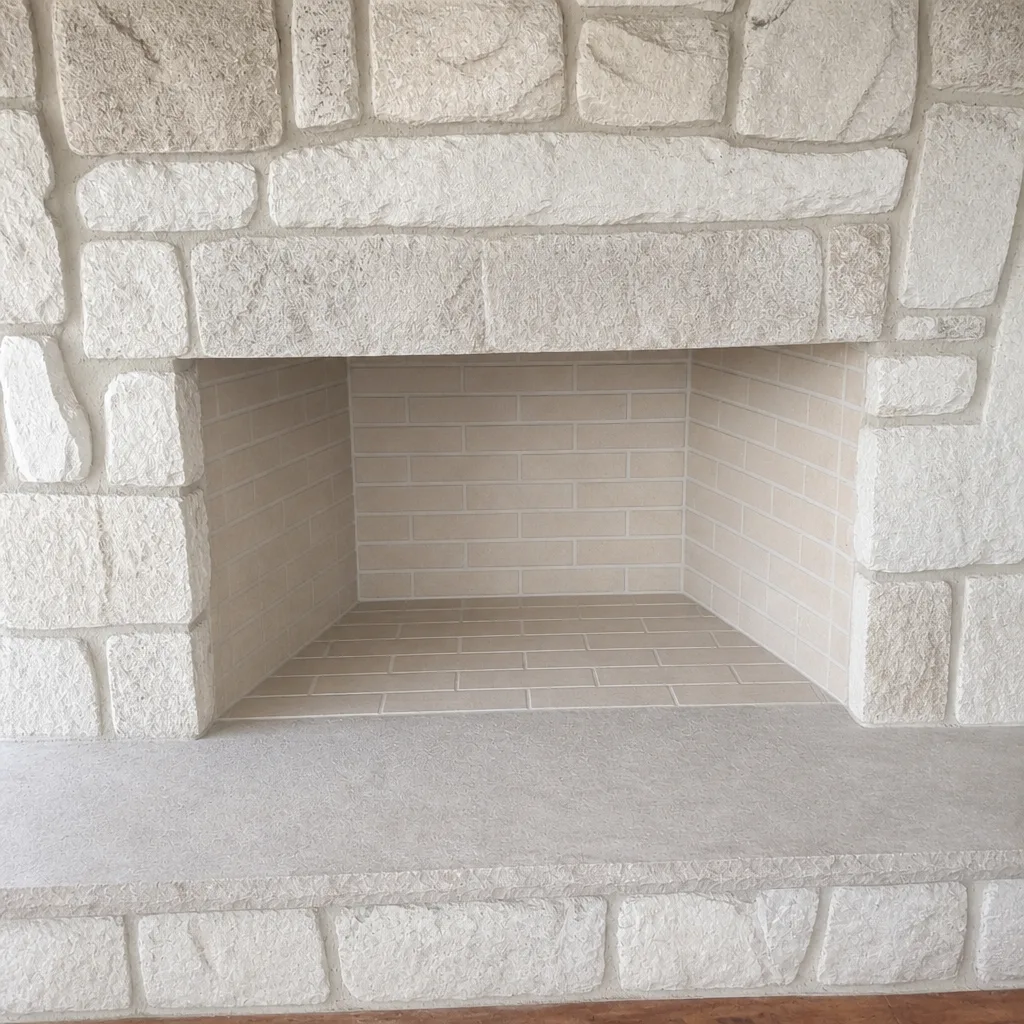
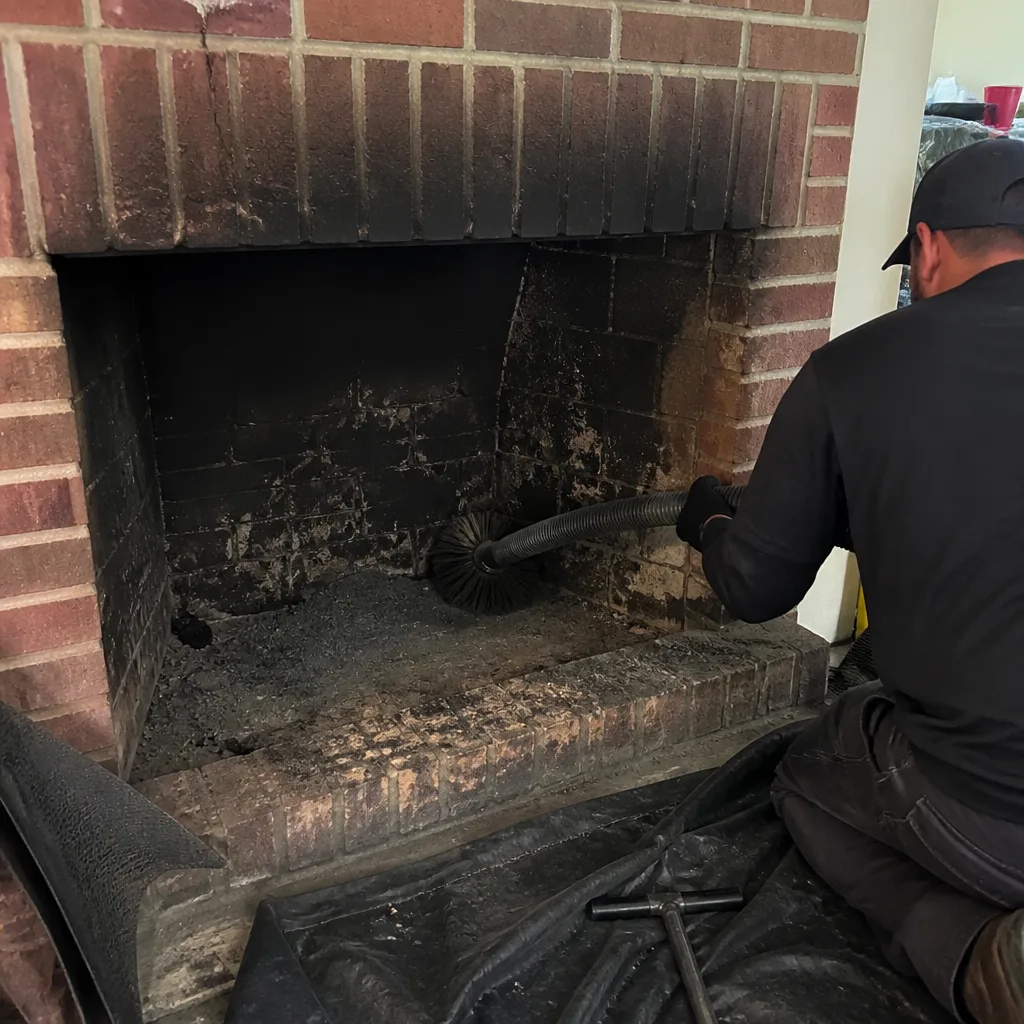
See the difference
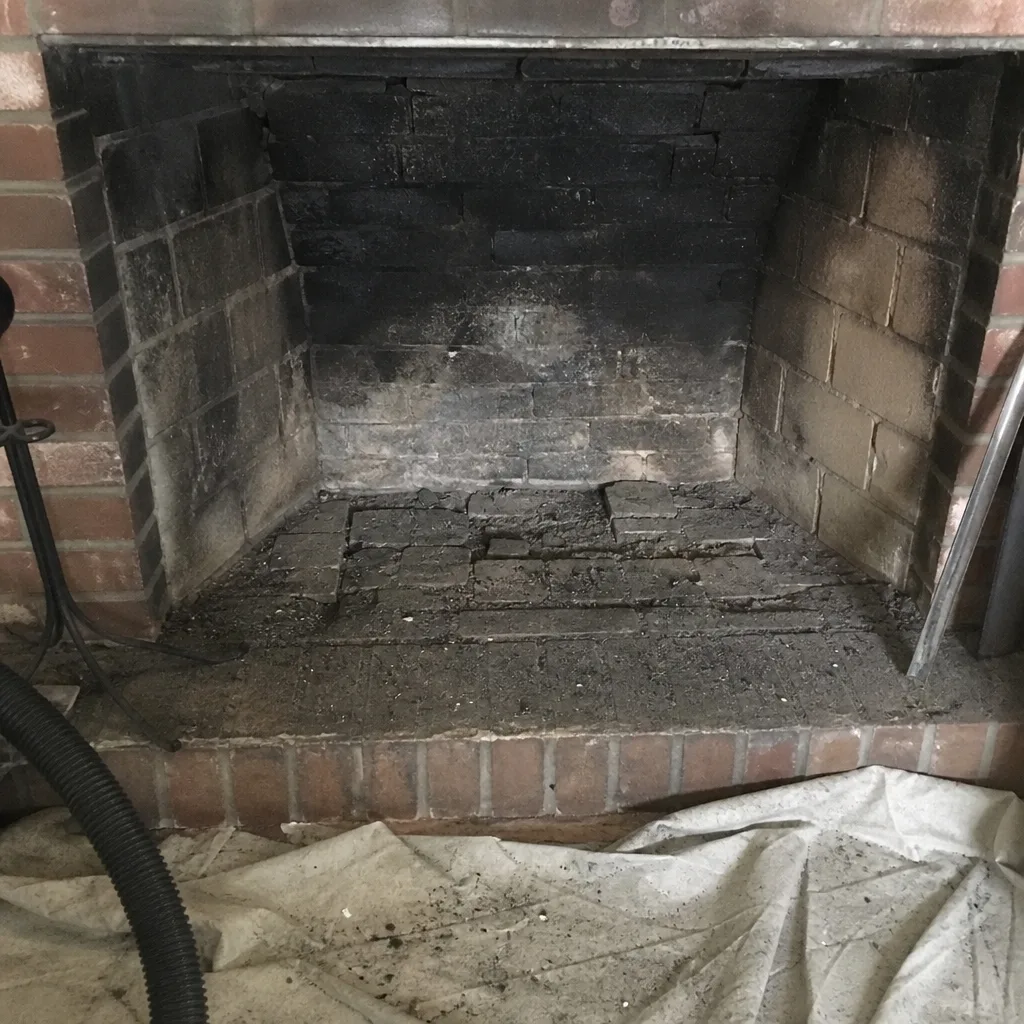 Before
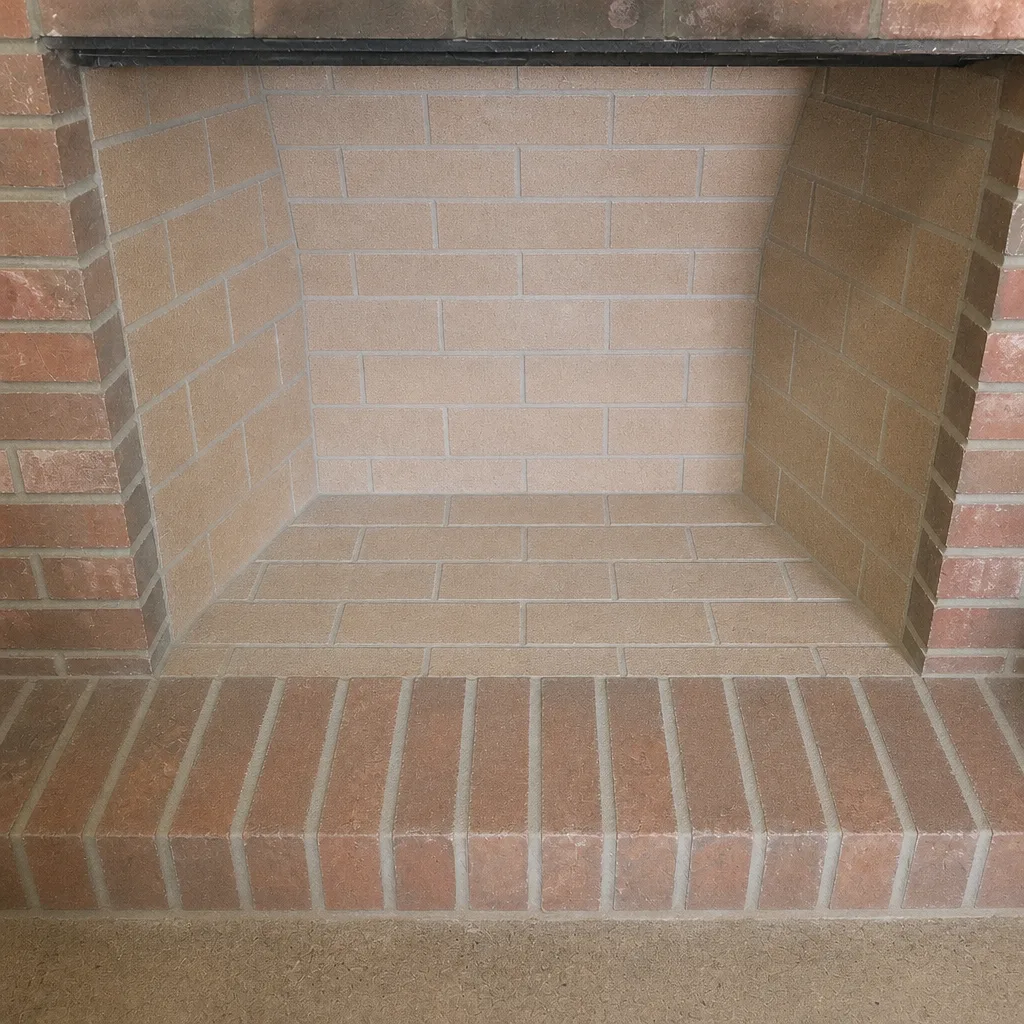 After
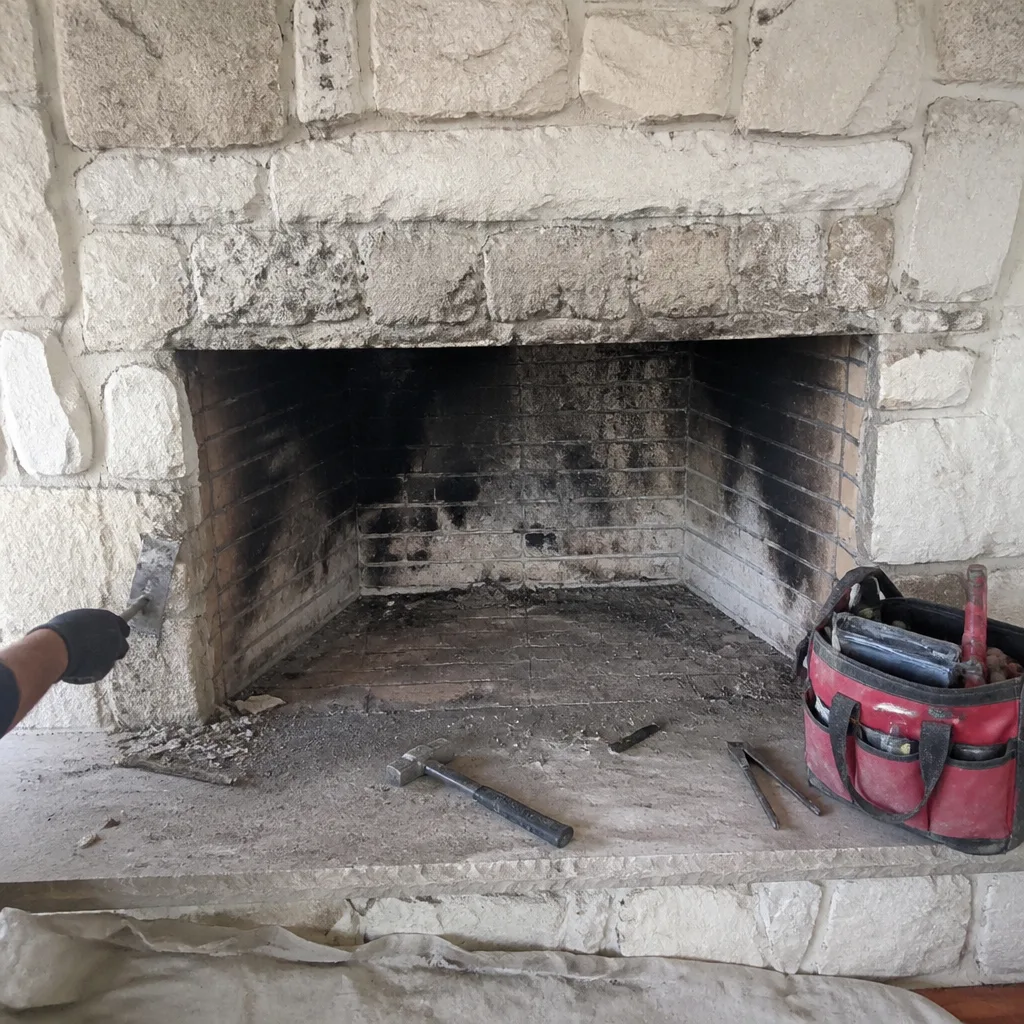 Before
 After
 Before
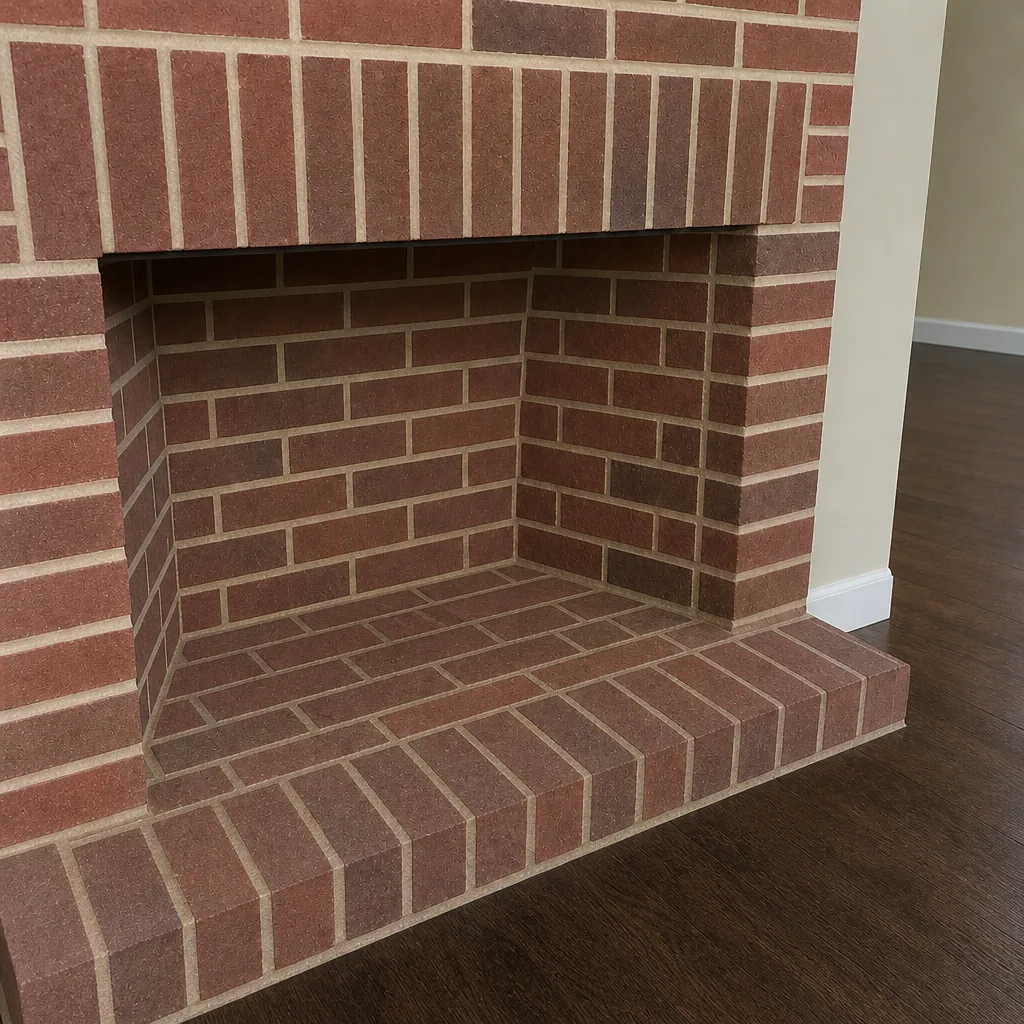 After
Frequently Asked Questions
Once per year for most homes, scheduled in October or early November before the burn season starts. A Pembroke Pines household that burns frequently during December through February may need a mid-season inspection, but the annual cleaning itself is fine once a year for most homes. If you burn more than a cord of wood a year, ask about a mid-season check during the fall inspection.
Yes. A working fireplace tells you the flue is open, not that the chimney is safe. An inspection checks the crown, cap, flashing, damper, and liner, which can fail without any change in how the fireplace burns. In Pembroke Pines, the summer humidity and storm damage are the most common causes of problems that show up between seasons. Book an inspection in the fall regardless of how the fireplace performed last year.
Creosote keeps building in the flue, and by the second year the layer is thick enough to be a real fire risk. You may also miss a crack in the crown or a damaged cap that’s letting water into the masonry. Neither of those problems announces itself until the damage is well underway. Call (855) 701-1714 for an inspection if it’s been more than a year.
Both are the main drivers of chimney damage in Pembroke Pines. Summer humidity keeps masonry damp for months at a time, which accelerates deterioration, and hurricane season brings wind and rain that damages crowns, caps, and flashing. A post-storm visual check plus a fall inspection catches most of what those months do to the chimney before the burn season starts.
Yes. A cap keeps out rain, prevents birds and insects from nesting in the flue, and stops downdrafts from pushing smoke back into the room. Given how long the off-season is here, a cap is a low-cost way to protect the flue through the months when nothing else is guarding it. If your existing cap is damaged or missing, have it replaced before the fall.
Book an inspection before the burn season starts. Don’t get on the roof yourself, and don’t light a fire until an inspection has confirmed the flue and the cap are intact. If there’s water coming into the house, document it and call for an inspection as soon as possible. Call (855) 701-1714 for a free estimate on the inspection.
The Bottom Line
Chimney care in Pembroke Pines runs on a different calendar than the rest of the country. The real seasonal threats are summer humidity, hurricane season, and a burn window that packs the year’s wear into five months. The routine that works is simple: check the chimney after major storms, book the annual cleaning and inspection in October or early November, monitor the fireplace through the burn season, and close it out correctly in April or May so it survives the off-season. A chimney is a life-safety system. Treating it that way on a schedule is what keeps it working safely year after year.
For the chimney sweep step in Pembroke Pines, see our local sweep page. For the repair side, our repair page covers what we handle. For everything else, see the Pembroke Pines service area page.
Contact
If your chimney hasn’t been inspected this year, or if a recent storm left you with questions, call Monarch Chimney Sweep for a free estimate. Call (855) 701-1714. We answer 24/7. Fast dispatch from 7am to 7pm, Sunday through Friday.
Written by the team at Monarch Chimney Sweep.