
Last updated November 15, 2026
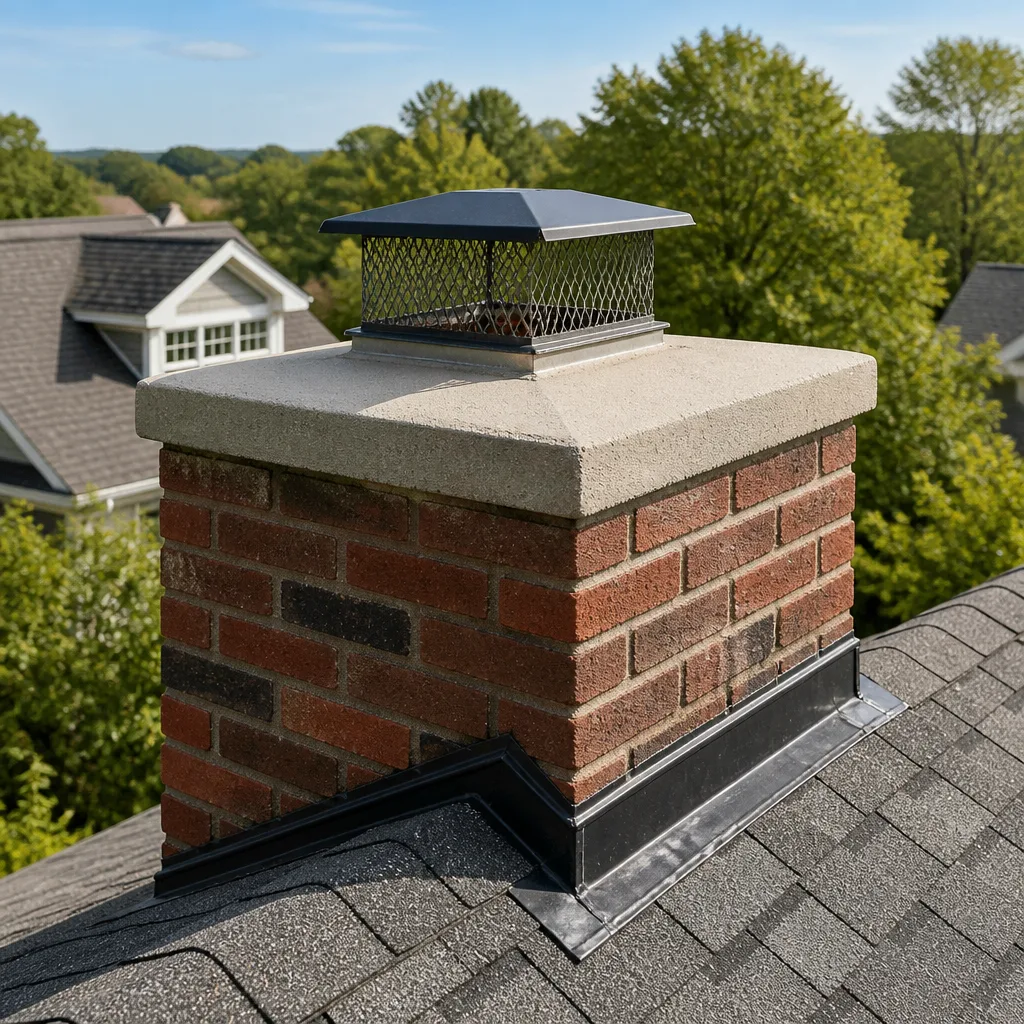 Sweep & inspection
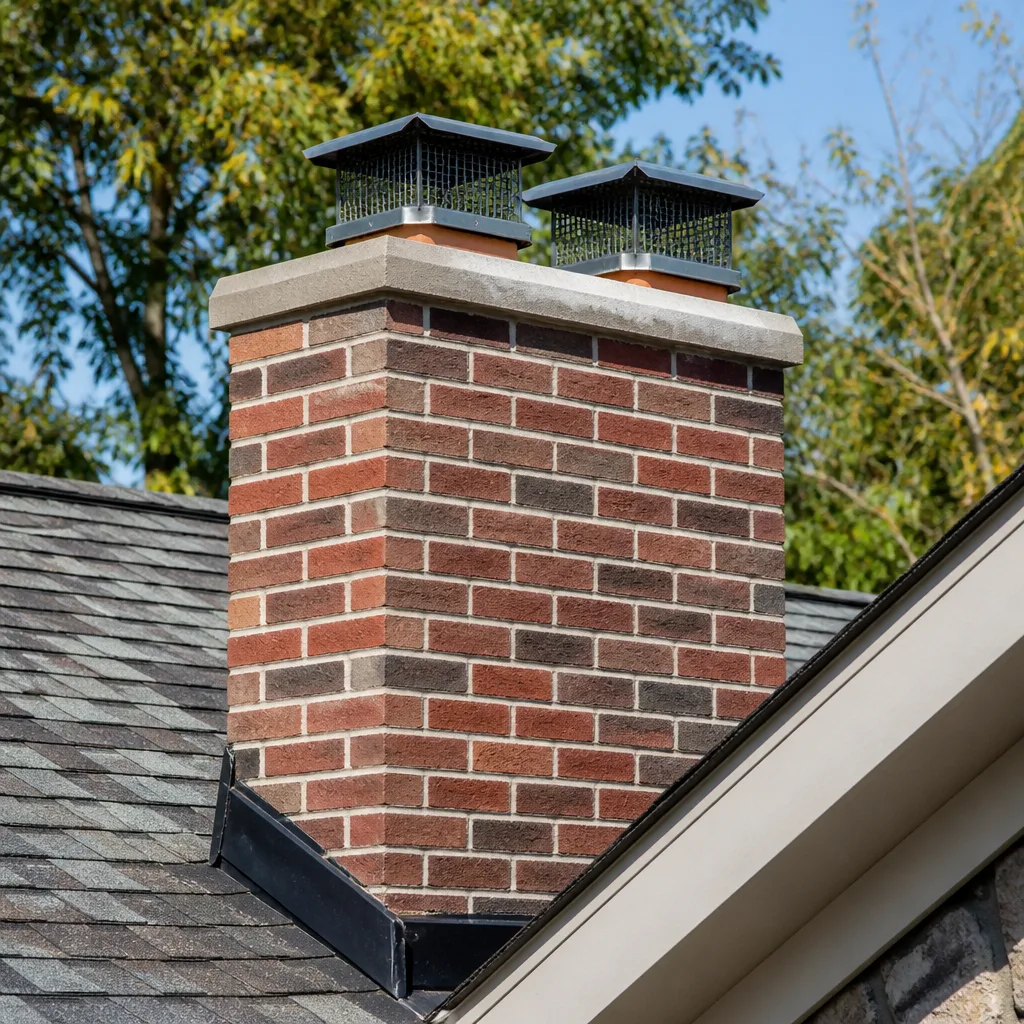 Caps & crowns
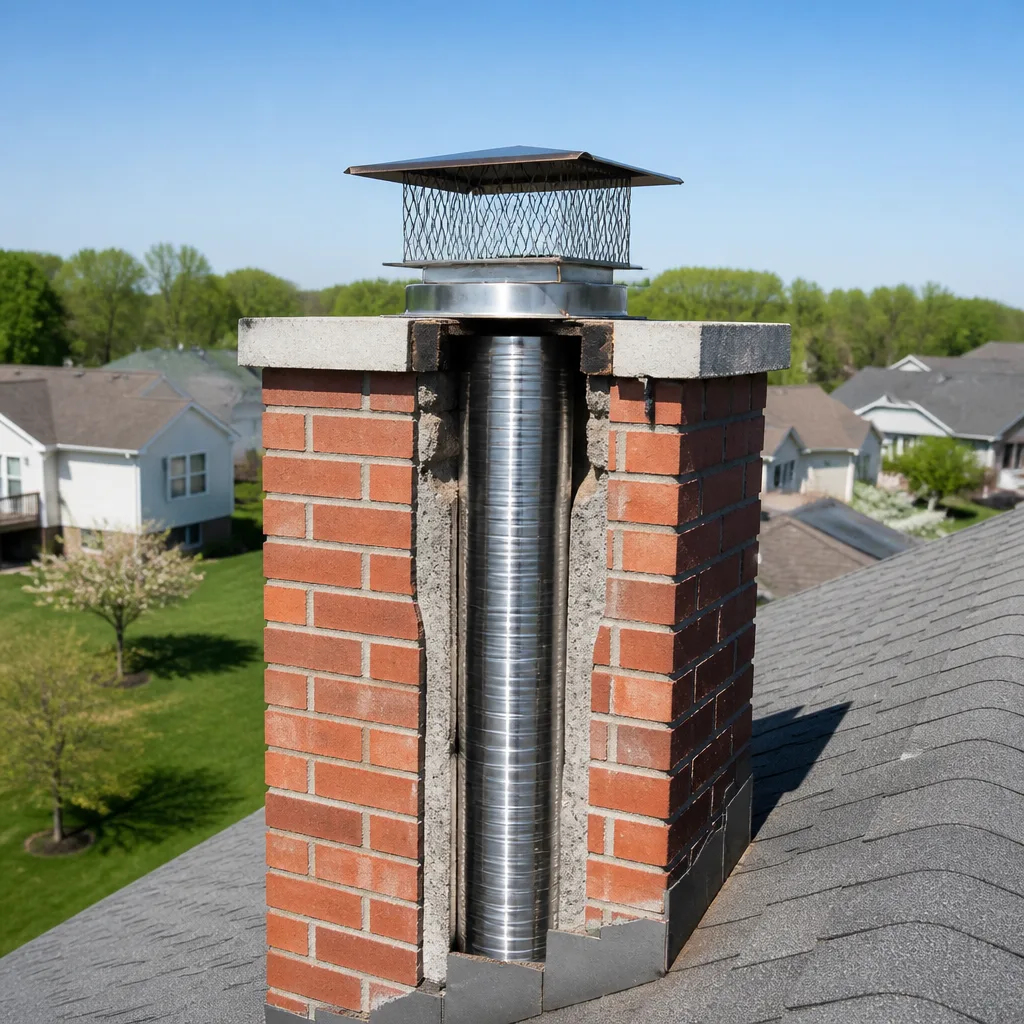 Flue relining
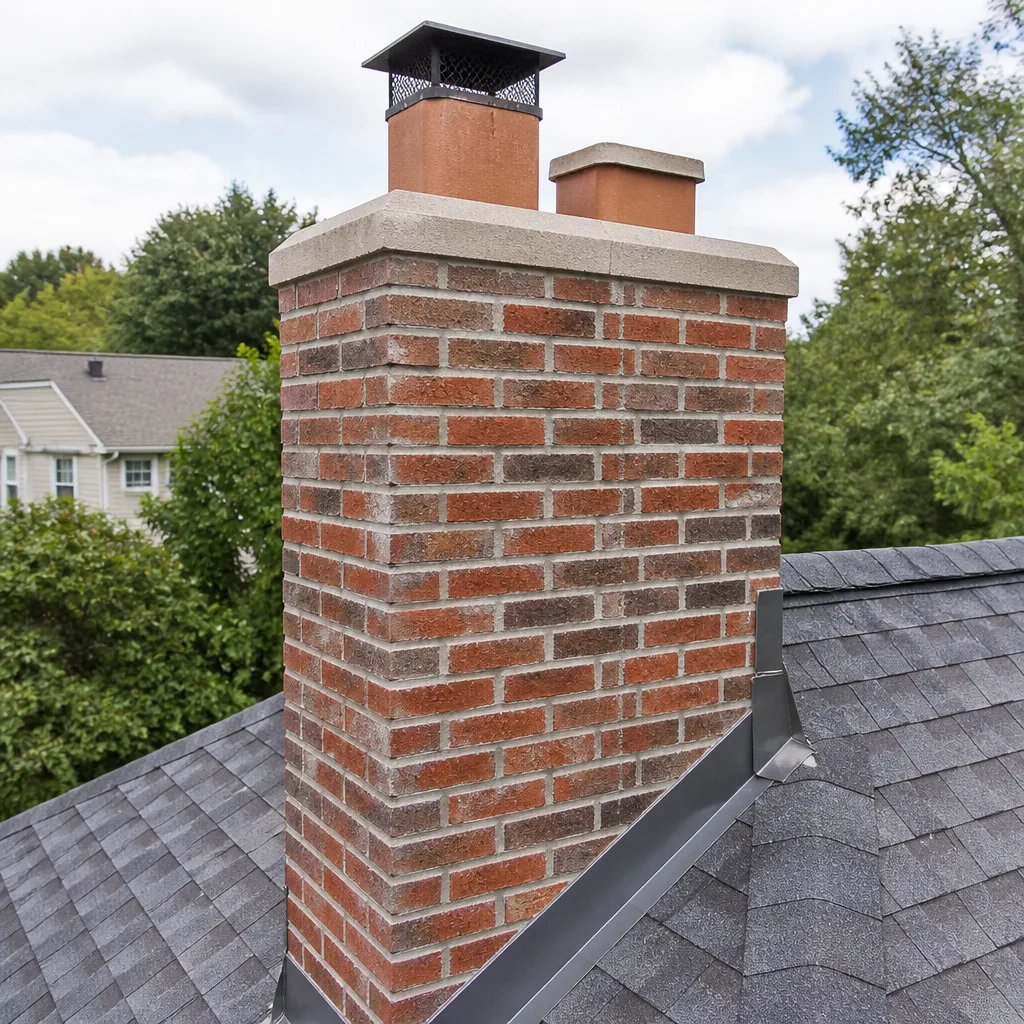 Masonry repair
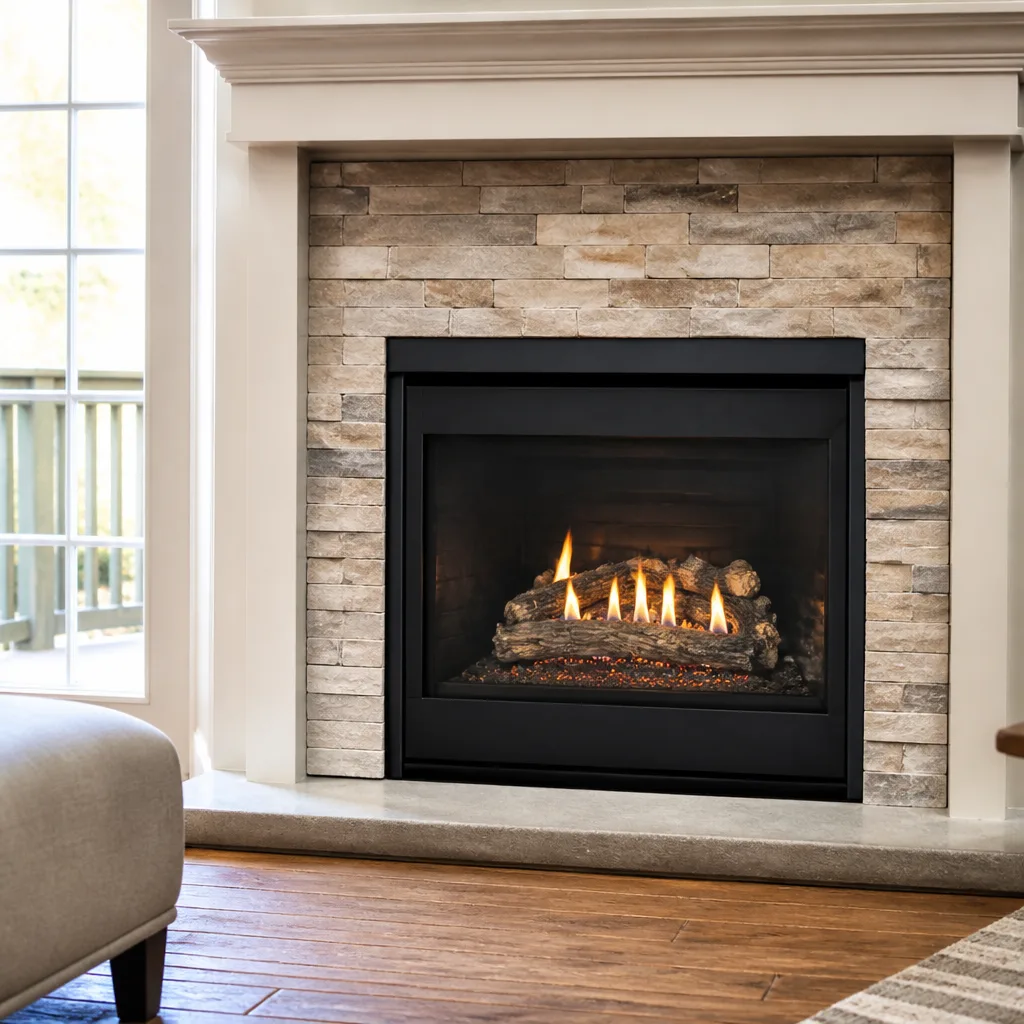 Gas fireplace service
Level 1 sweep and inspection to the NFPA 211 annual standard - flue, crown, cap, and flashing checked and photographed
Chimney sweep logs do not sweep chimneys. They loosen some creosote - which then falls where a brush and vacuum still have to collect it.
Chimney Sweep Troubleshooting in Pembroke Pines: Common Problems and How to Fix Them
A chimney that smells like a wet dog in July is not haunted. It is usually a negative-pressure backdraft problem made worse by South Florida humidity, and sweeping it will not make it go away. Most national chimney troubleshooting guides are written for cold climates where fireplaces burn hard all winter. Pembroke Pines is different: mild winters, long humid summers, and months when the firebox sits completely idle. That changes which problems show up, how they look, and what actually fixes them. This guide walks through the failures we see most in Pembroke Pines and how each one is diagnosed correctly.
You will learn why humidity-driven creosote behaves differently from cold-climate buildup, how to tell a draft problem from a blockage, what white staining on brick means, when to suspect cap corrosion, and what each smoke pattern points to mechanically. Along the way we explain when a repair is genuinely urgent and when it can safely wait for inspection evidence.
Quick Answer
The most common chimney problems in Pembroke Pines are humid-baked creosote that does not sweep out like cold-climate buildup, warm-weather backdraft caused by interior and exterior temperature inversion, moisture intrusion through failing caps and masonry, and spalling brick from humid air rather than freezing. Fixes range from a proper inspection and sweep to a new cap, crown repair, or a resurfaced or relined flue. The right fix depends on evidence from an inspection, not a guess from the symptoms alone.
Styles & brands we work with
- Sweep & inspection
- Caps & crowns
- Flue relining
- Masonry repair
- Gas fireplace service
Table of Contents
- Why Humidity-Driven Creosote in Pembroke Pines Is Different
- Telling a Draft Problem From a Blockage Problem
- Reading Your Smoke Behavior: Puffing, Backdraft, Delayed Smoke
- Spalling and Efflorescence: What White Staining Really Signals
- Why Caps Corrode Here and How to Check Yours Safely
- When the Chimney Smells in Summer and Nothing Is Burning
- The Inspection Baseline Every Pembroke Pines Chimney Needs
Why Humidity-Driven Creosote in Pembroke Pines Is Different
Creosote in a rarely-used Florida fireplace has a different texture and risk profile than creosote in a cold-climate home that burns daily from November through March. In a hard-working northern flue, hot fire and constant airflow drive off moisture and leave glazed or flaky deposits. In a Pembroke Pines firebox that runs a handful of cool evenings a year, smoke moves slowly, cools quickly, and lingers in a humid flue. The result is often a sticky, gummy, moisture-holding layer that clings to the liner instead of drying into brittle flakes. It can look almost soft. It is not safer.
That texture matters for two reasons. First, it holds moisture against the liner, and continuous dampness is what shortens the life of masonry and mortar joints. Second, it does not release from the flue wall the way dry, flaky deposits do during a sweep. Standard brush pressure loosens the dry material but can pass right over the gummy layer, which is why a fireplace can seem “cleaned” and still carry an elevated creosote load. If you have ever had a sweep done and still smelled smoke the next time the damper opened, that is the usual reason.
The right approach for a humid-climate flue is a real assessment first, then a sweep with the correct brush and method for the deposit you actually have. Our technicians have up to 8 years of experience and know the difference between dry and gummy buildup by touch and by sight. We do not treat a Pembroke Pines sweep as a quick brush-out. If the deposit is thick or glazed, we recommend a chemical treatment to soften it before brushing so the flue comes clean instead of looking clean.
One more point about texture: gummy creosote sitting against a moisture-exposed liner is the deposit most likely to lead to a chimney fire, because it burns hot when it ignites. The goal is not to scare you into a yearly service contract. It is to know what is in the flue so you can decide whether to burn this season and when to act.
Telling a Draft Problem From a Blockage Problem
Smoke spilling into the room and smoke that refuses to leave the firebox are not the same failure, even though they look alike. In Pembroke Pines, the two most common causes are warm-exterior backdraft and a physical blockage. They present similarly and need opposite fixes.
Warm-exterior backdraft happens when the air outside the chimney is warmer or the same temperature as the air inside the house. The firebox is at 74 degrees. The air above the roof is 88 degrees. The chimney has no temperature gradient to pull smoke upward, so it stalls, and the smoke drifts into the room instead of up the flue. This is most common in shoulder-season evenings, on humid days, and after a long idle stretch when the flue has soaked up inside air. A blockage, by contrast, is a physical obstruction: a bird nest, a collapsed tile, debris fallen down the flue, or a cap that has failed and let material drop in.
Here is the practical way to sort them at home, without climbing anything:
- Check the damper. Confirm it is fully open and the lever or handle is not stuck halfway. A damper that “feels open” is often not.
- Watch the first minute. A fire that struggles to establish and tends to spill into the room early is usually a draft problem. A fire that burns fine and then suddenly backs up is more likely a blockage or a partial obstruction.
- Look at the firebox while the fire is out. Use a flashlight. If you see debris, a nest, or a loose tile edge, stop burning and book an inspection.
- Book a camera inspection. This is the only way to distinguish a blockage from a draft issue with certainty. It is also the reason we always inspect first and recommend second.
If your smoke problem has been ongoing and the weather is neutral, do not assume it is a static pressure problem and try to solve it by opening a window every time you light a fire. Get the flue looked at. A blocked flue is a carbon monoxide risk, and carbon monoxide is the reason chimney work is a life-safety matter, not a maintenance detail.
Reading Your Smoke Behavior: Puffing, Backdraft, Delayed Smoke
Smoke tells you what the flue is doing if you know how to read the pattern. The three patterns that matter most in Pembroke Pines are puffing, continuous backdraft, and delayed smoke. Each points to a different mechanical cause.
Puffing
Puffing looks like the fire is breathing. It puffs into the firebox, then recovers, then puffs again, with a visible rhythm. Puffing nearly always points to a partial obstruction or a flue that is too small for the fire being burned. A bird nest or a fallen shard can create a partial block that lets some smoke through and then chokes, causing the surge-and-recover pattern. A firebox run hotter than the flue can handle will do the same. The fix is inspection and removal, not a bigger fire.
Continuous backdraft
Continuous backdraft is a full reversal: the chimney pulls air down instead of smoke up, and smoke rolls out into the room steadily. This is the classic warm-exterior, humid-day Pembroke Pines symptom, and it is the one most homeowners mistake for a blockage. A continuous backdraft with clean burning wood and a fully open damper almost always means the flue has no temperature gradient to work with. A pre-heat of the flue before lighting, on a cool evening, will often tell you. If pre-heating fixes it, the issue is draft, not obstruction. If it does not, book an inspection.
Delayed smoke
Delayed smoke is the opposite problem: the chimney drafts hard for the first ten minutes and then slows, and smoke starts leaking at the top of the firebox and into the room. This pattern points to a flue that is cooling as the smoke travels, which typically means a liner that is dirty, moisture-laden, or damaged. It is the most common pattern behind the “my fireplace used to work fine” complaint in Pembroke Pines.
One reminder: none of these patterns should be diagnosed from the living room alone. A camera inspection with a photo report tells you exactly what is in the flue and where, and that evidence is the foundation of every recommendation we make.
Spalling and Efflorescence: What White Staining Really Signals
White staining on the chimney brick outside your Pembroke Pines home is not decorative, and it is not always dangerous. It is almost always telling you the same thing: moisture is moving through the masonry and drying at the surface. The two names to know are efflorescence and spalling.
Efflorescence is the white, powdery or chalky deposit that appears on the brick surface after water evaporates and leaves mineral salts behind. It is a warning sign, not a structural failure on its own. In a humid climate, efflorescence can appear and disappear with the seasons, which makes it easy to ignore. The key question is whether it comes back in the same place, because recurring efflorescence on the same brick almost always means an active moisture path, such as a failed cap, a cracked crown, or a mortar joint that is taking in water.
Spalling is more serious. It is the flaking and peeling of the brick face, and it is what happens when trapped moisture expands and pushes the surface away. In Pembroke Pines, spalling is usually driven by humid air and rain, not by freeze-thaw, because the winters here do not produce repeated freezing. That matters when a contractor who works mostly in cold climates tells you your brick needs to be replaced because of “freeze damage.” It is worth getting a specialist’s assessment.
What to do about staining on a Pembroke Pines chimney:
- Photograph it now. Take a dated photo of the stained brick. Compare it in six months. If it has spread or returned, the moisture source is active.
- Have the crown and cap checked. These are the two most common entry points for the water that feeds efflorescence and spalling.
- Do not seal the brick with a generic water repellent. A sealant applied over active moisture can trap water inside the masonry and make spalling worse.
- Let the inspection tell you whether the spalled area is cosmetic or structural. Some spalling is surface-only and can be repaired. Some goes deep enough that the mortar joint or the flue structure behind it needs attention, and only a real inspection distinguishes the two.
When the diagnosis is surface deterioration rather than a structural fault, HeatShield resurfacing is one of the methods we use to restore a deteriorating flue liner from the inside without full liner replacement. It is a specialist process. It is not a paint-over fix, and it is only recommended when the inspection shows the liner is a candidate for it.
Why Caps Corrode Here and How to Check Yours Safely
Chimney caps corrode faster in humid climates than most homeowners expect, and the reason is simple: moisture. A cap that holds standing water or sits in continuous dampness will rust from the inside out, and the failure is often visible only after the cap has already loosened. In a Pembroke Pines summer, humidity remains high day and night, and a cap with a low spot or a blocked drainage path can stay wet for weeks.
You can check a cap without getting on the roof. Here is how to do it safely:
- Look up from the ground with binoculars. Check the cap for visible rust, missing screws, or a visibly tilted cap. A cap that is crooked is a loose cap, and a loose cap is a call-the-specialist item.
- Check for interior water evidence first. Rust stains, a water line on the firebox metal, damp creosote, or water in the firebox after rain all suggest the cap or crown is failing.
- Look at the top of the chimney from the roof only if it is safely accessible. A flat, low-pitch roof is one thing. A steep roof or a chimney with a high stack is not a place for a homeowner, and the risk of a fall outweighs what you would learn. We recommend a professional check.
- Get the cap replaced with a professional-grade component. We use Gelco and Famco components for cap and damper solutions, the same hardware that professional chimney contractors specify. A big-box cap is the reason a cap fails again in the same place.
A failed cap does more than rust. It lets in rain, debris, and small animals. In a humid climate, that combination leads to standing moisture in the flue and to the sour smell many homeowners notice before they notice the cap itself. If the cap is loose, do not wait for the next storm season to address it.
When the Chimney Smells in Summer and Nothing Is Burning
A fireplace that smells like a wet dog, damp ash, or a sour burn in the middle of a Pembroke Pines summer is not unusual, and it is not a haunting. It is a combination of humidity, a damp flue, and the fact that the chimney is a passive column of air that can pull air down when there is no fire to push it up. The smell is the deposited creosote and ash interacting with moisture in the air.
There are three usual causes, and they need different fixes:
- Damp flue with creosote residue. High summer humidity condenses in an idle flue, and the residue weeps. A sweep to remove the residue and an inspection to verify the flue is dry and intact are the first steps.
- Negative pressure from the house. Air conditioning in Pembroke Pines runs hard in summer, and a house that is tighter than it used to be can pull air down the chimney. That is a pressure problem, not a chimney problem, and the fix may be as simple as a damper that closes properly or an air-sealing check.
- Water entry. A failed cap, crown, or flashing lets rain into the flue, and the wet masonry smells. This is the case that will not improve with air freshener and should be inspected.
If the smell is strong and persistent, treat it as a signal, not a nuisance. A chimney that stays wet is a chimney that degrades quietly, and the moisture risk is both structural and a real contributor to carbon monoxide risk when the flue is compromised. A camera inspection with a photo report will tell you which of the three causes you are dealing with, and you can see the evidence yourself.
The Inspection Baseline Every Pembroke Pines Chimney Needs
Every repair recommendation should start with an inspection. We work from that principle because a symptom is not a diagnosis. A smoke problem, a smell, or a stain on the brick tells you something is happening, not what is causing it. The inspection is what turns the symptom into a documented finding, and it is the reason we do not quote repair work from a phone description alone.
Here is what a proper baseline inspection should include for a Pembroke Pines chimney:
- Exterior assessment. Cap, crown, flashing, and visible masonry are checked for corrosion, cracks, and moisture staining. Efflorescence and spalling are noted and photographed.
- Firebox and damper check. The damper is tested for full range of motion, and the firebox for cracks and debris. A damper that will not close properly is a pressure and smell problem in summer.
- Camera inspection of the flue. A camera run through the flue reveals the creosote texture and depth, any obstruction, liner cracks or gaps, and the condition of the joints. This is where a real diagnosis is made.
- Documentation with a photo report. Findings are photographed, so you can see what we see. Nothing is recommended from a verbal description you have to take on trust.
The inspection is also where we establish whether the flue is safe to use. If the flue is sound and the creosote is light, the answer may be a sweep and a plan to re-check. If the flue shows damage, we discuss options. Those options can include a DuraFlex liner system for the masonry flue, HeatShield resurfacing for a deteriorating liner, or cap and damper work with Gelco and Famco components. Olympia Chimney and Copperfield components may also come into play depending on the setup. The recommendation follows the evidence, not the other way around.
If you have been told your Pembroke Pines chimney needs thousands of dollars of repair and you have no way to verify it, get a second inspection with photos. That is the standard we hold ourselves to, and it is the difference between a diagnosis and a sales pitch.
Common Mistakes to Avoid
- Burning a “cleaning log” instead of booking a sweep. Additives that claim to remove creosote do not replace a physical sweep, and in a humid Pembroke Pines flue they can leave a sticky residue behind that makes the next sweep harder.
- Assuming a cold chimney is a safe chimney. A flue that has not been used in months can still be blocked by a nest or a fallen tile. The first fire of the season is the moment a blockage turns into a carbon monoxide event.
- Treating every smoke problem as a blocked flue. Warm-weather backdraft is extremely common in Pembroke Pines, and trying to “fix” it with a taller cap or a different damper can cost money without touching the actual pressure problem.
- Sealing brick to stop white staining. Efflorescence and spalling are moisture symptoms. Sealing the brick can trap the water inside and make spalling worse, especially in humid climates.
- Ignoring a loose cap because it “looks fine.” A cap that has lost a screw or tilted a degree is already letting rain and debris into the flue. It is a cheap fix now and a masonry problem later.
- Skipping the camera inspection to save time. A visual once-over from the roof does not show the liner or the creosote load. Every repair recommendation without a camera inspection is a guess with a price tag.
- Choosing the cheapest cap or liner on the shelf. A big-box cap is the usual reason a cap fails again in the same place. The brand matters less than the fact that professional-grade components are specified by the installer.
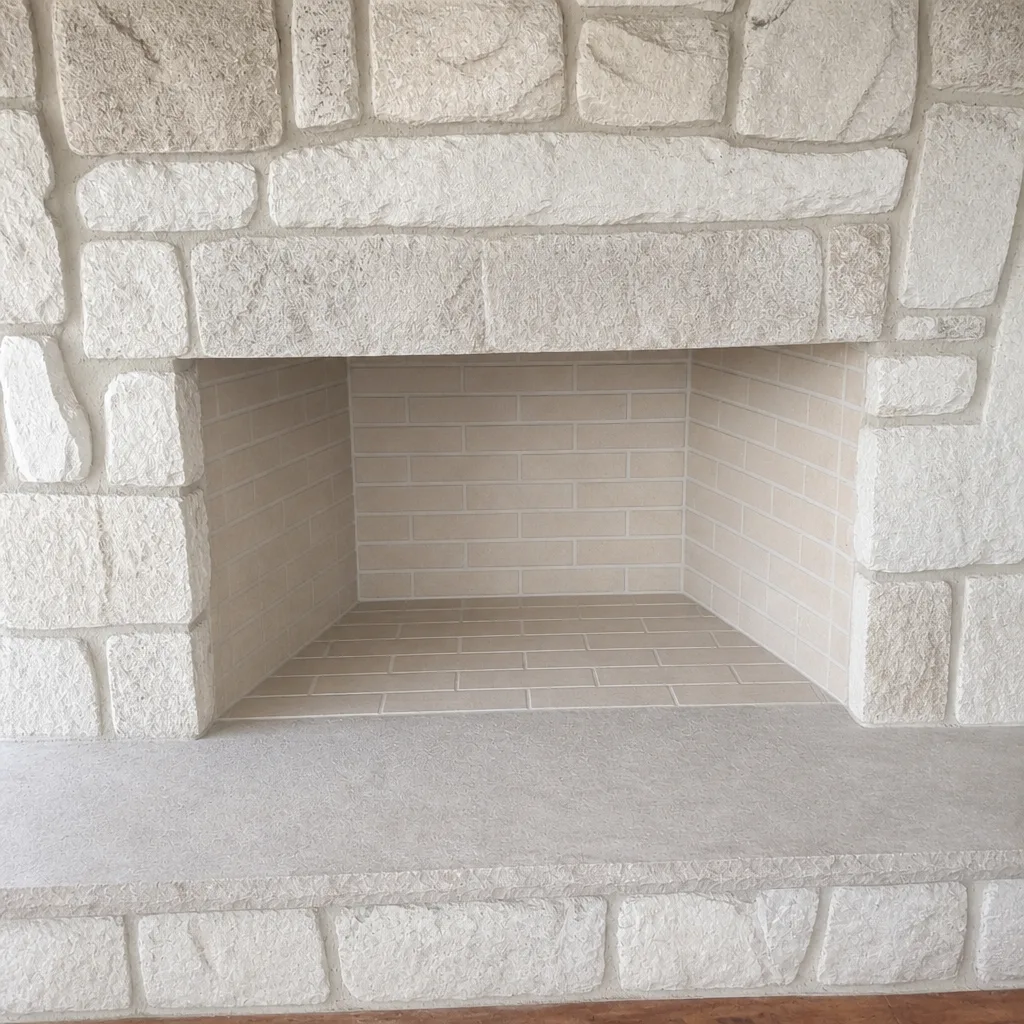
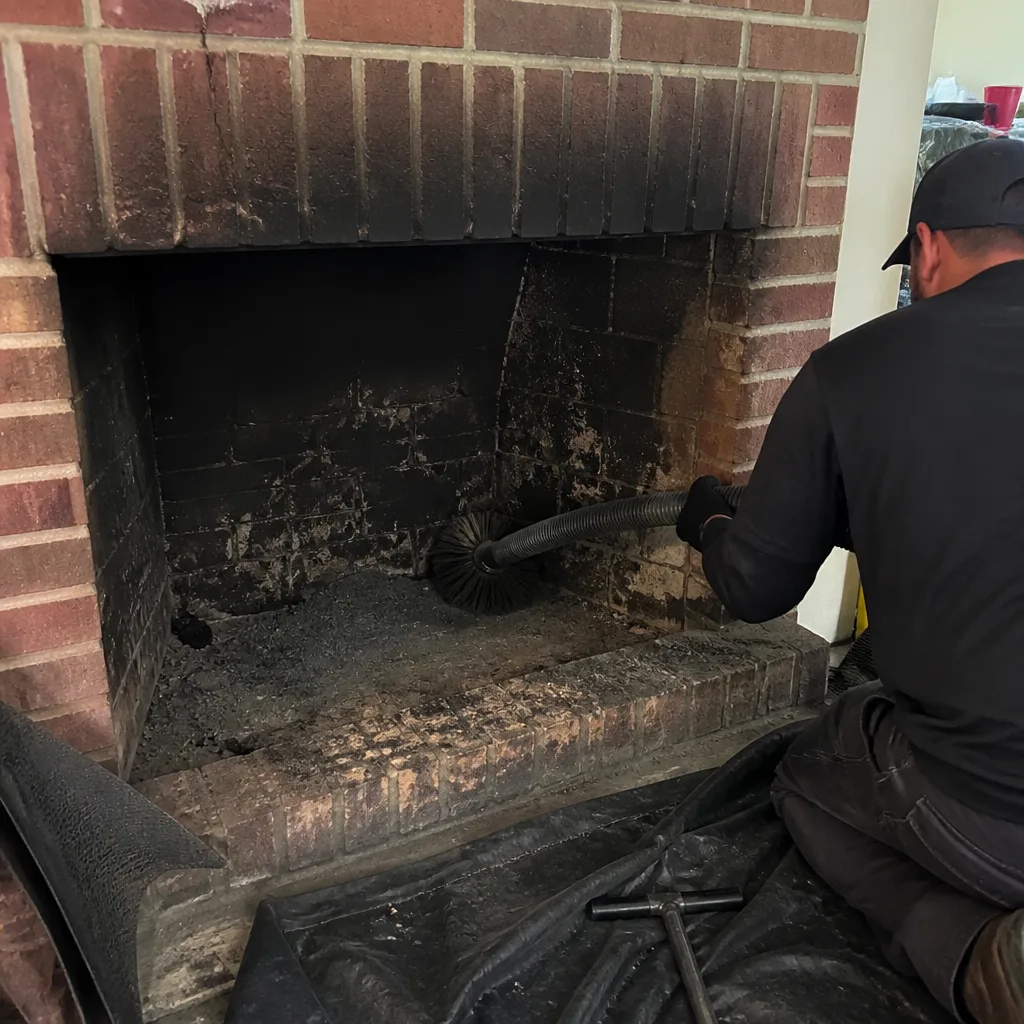
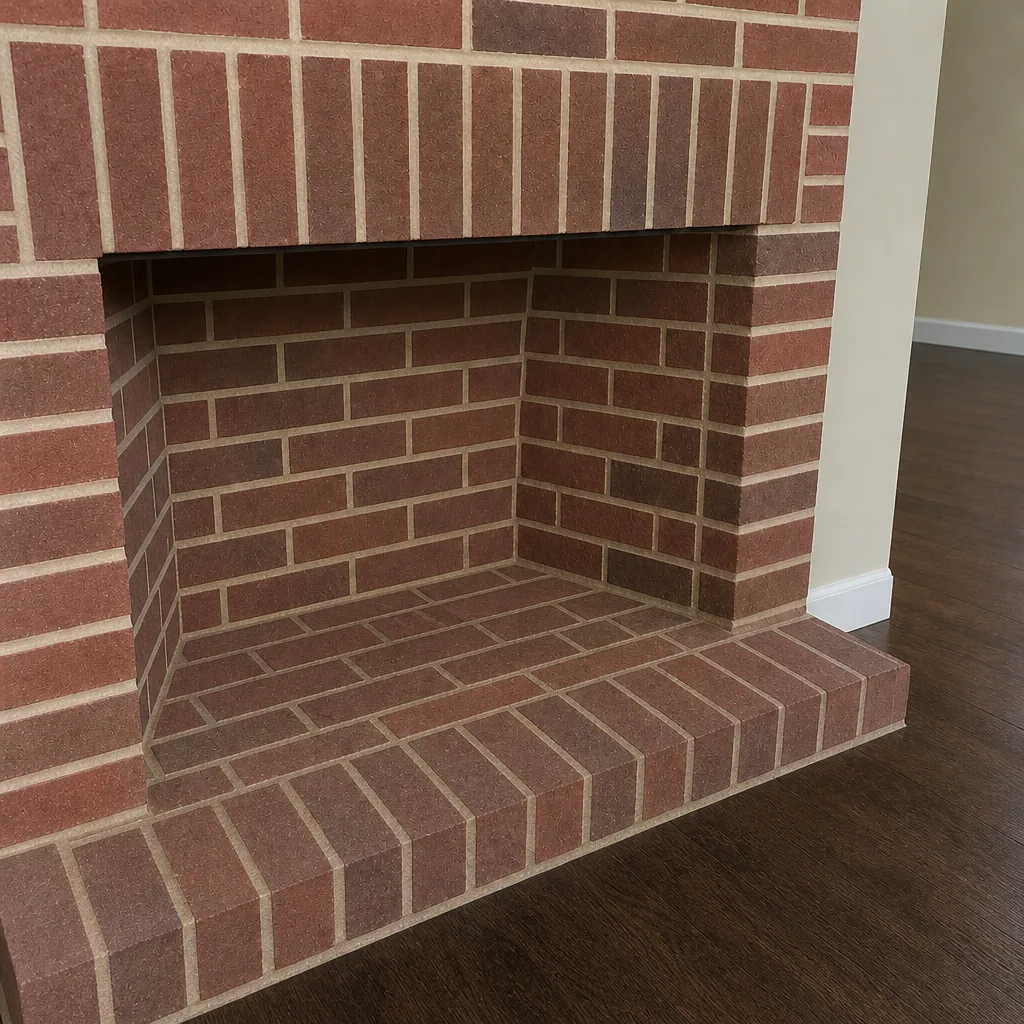
See the difference
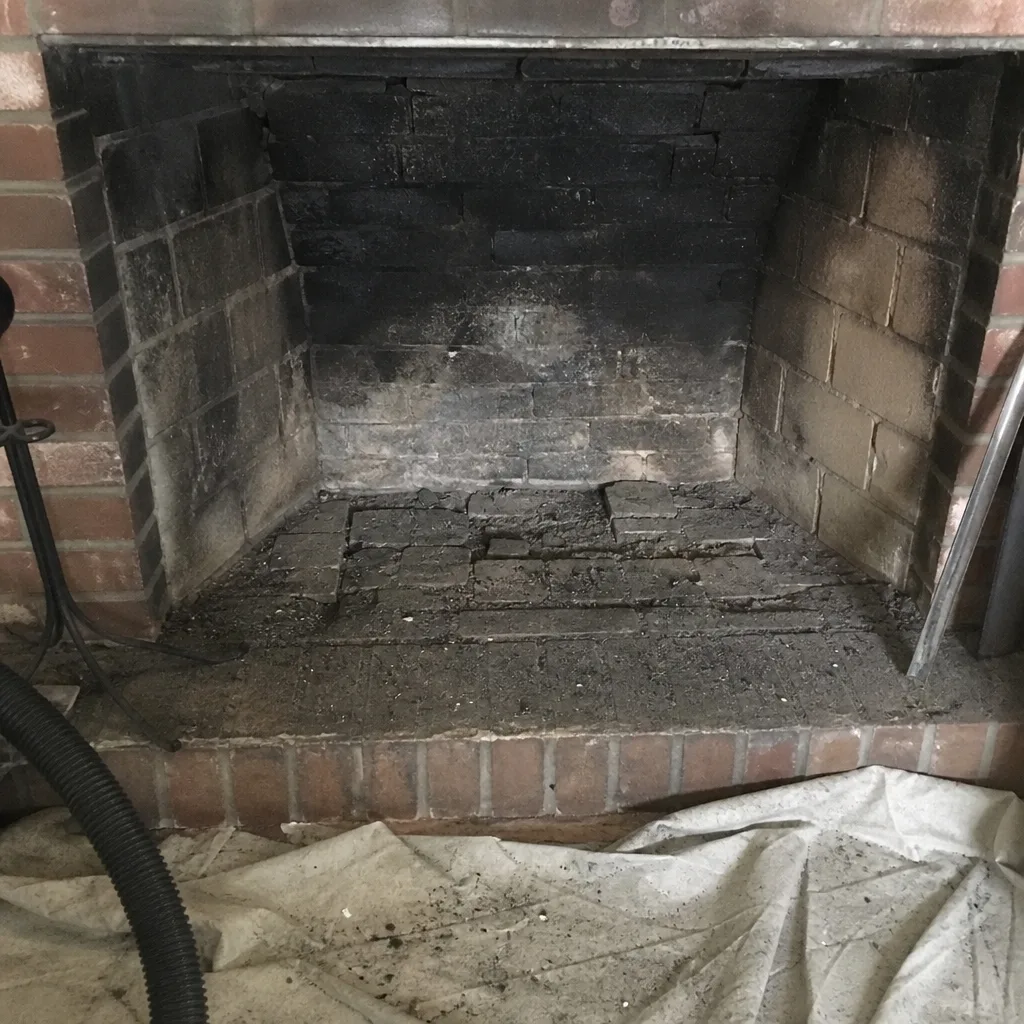 Before
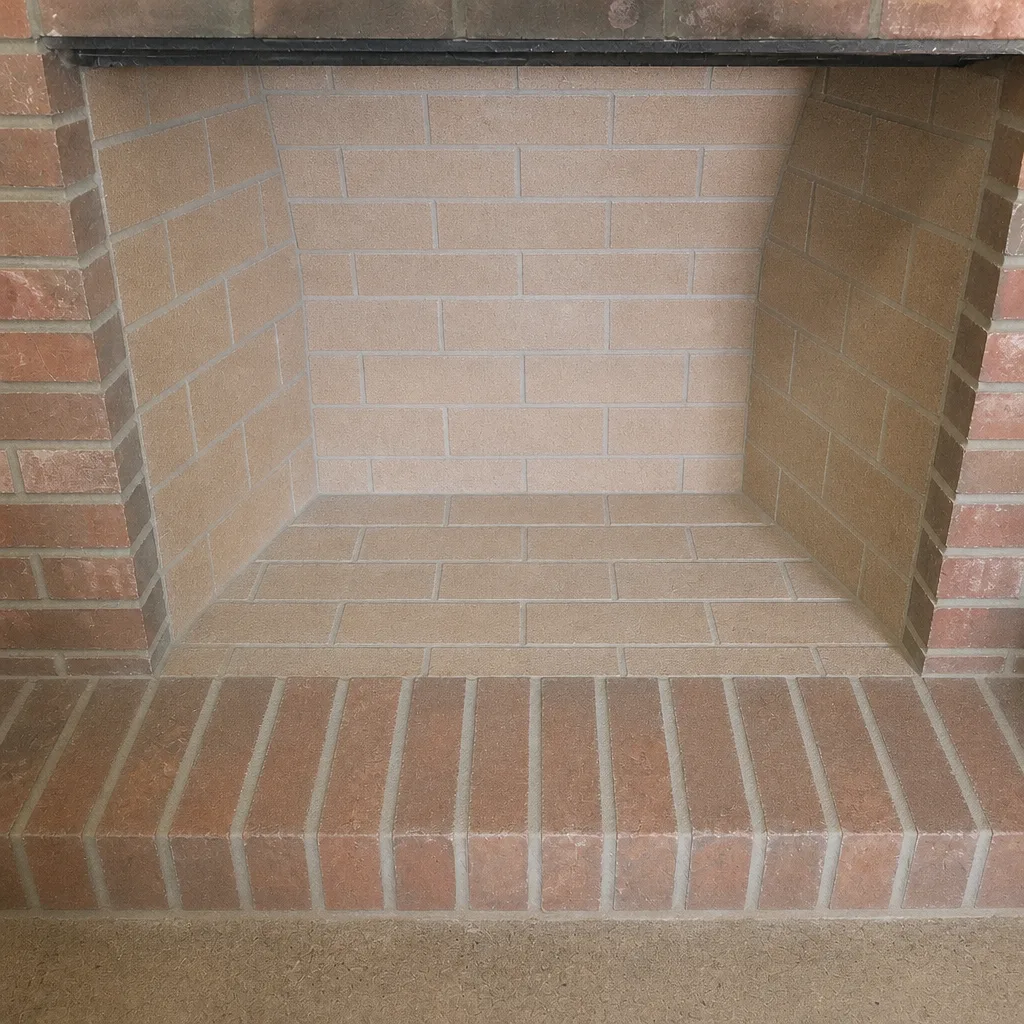 After
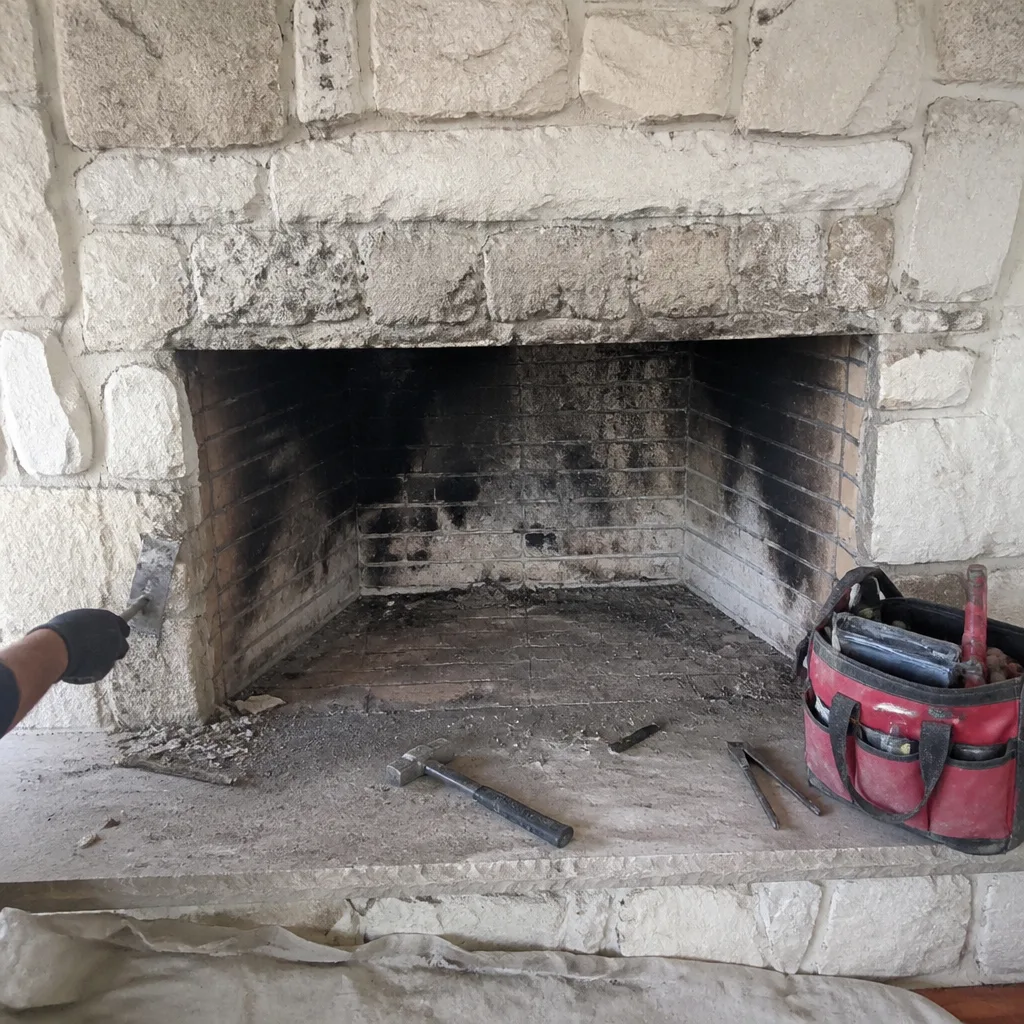 Before
 After
 Before
 After
When to Call a Professional
Call a professional for anything that involves the flue itself, the cap, or the crown. Specifically: if smoke spills into the room on a day when the fire is burning well, if you notice a sour or damp smell that persists after the firebox cools, if you can see white staining or flaking brick that has spread since last season, if the cap is loose or rusted, or if the flue has not been inspected in a while and you plan to burn this season. A blockage, a cracked liner, or a loose cap are not homeowner-level fixes, and carbon monoxide risk is not something to estimate from the living room. If you are unsure, an inspection is the right first step, and it is the only way to know for certain. Monarch Chimney Sweep offers free estimates in Pembroke Pines. Call (855) 701-1714. We answer 24/7. Fast dispatch from 7am to 7pm, Sunday through Friday.
Frequently Asked Questions
Because humid summer air is condensing in an idle flue and mixing with creosote and ash residue. Warm, humid air meets a cooler flue, moisture collects, and the deposited creosote starts to smell. It is a moisture and residue problem, not a haunting, and it usually improves after a sweep plus a check of the cap, crown, and damper for water entry. Call (855) 701-1714 for an exact diagnosis, and estimates are free.
In Pembroke Pines it is more often a draft problem, because warm exterior temperatures can stall the flue, but only a camera inspection can tell you for sure. A steady backdraft with clean burning wood and a fully open damper points to draft. Puffing or smoke that starts suddenly after a fire is established points to a partial obstruction. The two need opposite fixes, so the inspection matters. Call (855) 701-1714 to book one.
It means moisture is moving through the masonry and drying at the surface, leaving mineral salts behind. Efflorescence is the powdery white deposit; spalling is the more serious flaking of the brick face. In Pembroke Pines the driver is humid air and rain, not freeze damage. If the staining keeps coming back in the same place, there is an active moisture path, most often a failed cap or a cracked crown. Call (855) 701-1714 for an inspection; estimates are free.
It depends on what the inspection finds. HeatShield resurfacing can restore a deteriorating flue liner without full liner replacement when the liner is a candidate for it, and a DuraFlex flexible liner system is the right call when the flue is too far gone for resurfacing. We do not recommend either without a camera inspection and a photo report you can review yourself. If a company will not show you the evidence, get a second look. Call (855) 701-1714 to book an inspection.
Not an emergency in the sense of a leak right now, but it is a fix you want done before the next heavy rain. A rusted or tilted cap lets water and debris into the flue, and in a humid climate the inside of the cap corrodes quickly. Check it from the ground with binoculars, and if it looks crooked or heavily rusted, book a professional check. Our cap and damper components come from Gelco and Famco. Call (855) 701-1714 for a free estimate.
At least once a year is the standard baseline, and infrequent use does not exempt you. A flue that sits idle in a humid climate still collects moisture, and a nest or a fallen tile can block a chimney between seasons. A light-use fireplace can carry a misleadingly heavy creosote load because the smoke cools before it clears the flue. Annual inspection is the only reliable way to know what is actually in the flue. Call (855) 701-1714 to schedule one; estimates are free.
The Bottom Line
Most chimney problems in Pembroke Pines trace back to humidity, infrequent use, and warm exterior temperatures, not to the cold-climate causes that dominate generic advice. Gummy creosote, warm-weather backdraft, efflorescence and spalling, and corroded caps are the failures that keep coming up in this climate, and each one has a specific fix. The single most useful habit is to inspect first and recommend second. A camera inspection with a photo report tells you what is actually in the flue, whether the liner can be resurfaced or needs a DuraFlex liner, and whether the cap needs a professional-grade replacement. If a recommendation comes without that evidence, ask for it, or get a second opinion. Your flue is a life-safety system, and it deserves a diagnosis, not a guess. Call (855) 701-1714 for a free estimate. We answer 24/7. Fast dispatch from 7am to 7pm, Sunday through Friday.
If you want a broader look at how we approach care and repair, see chimney sweep and chimney repair; to learn more about the team behind this guide, visit Monarch Chimney Sweep, and for local service details go to Pembroke Pines.
Written by the team at Monarch Chimney Sweep.